
Iranian Residents: If We're Not Killed, We'll Stay Here
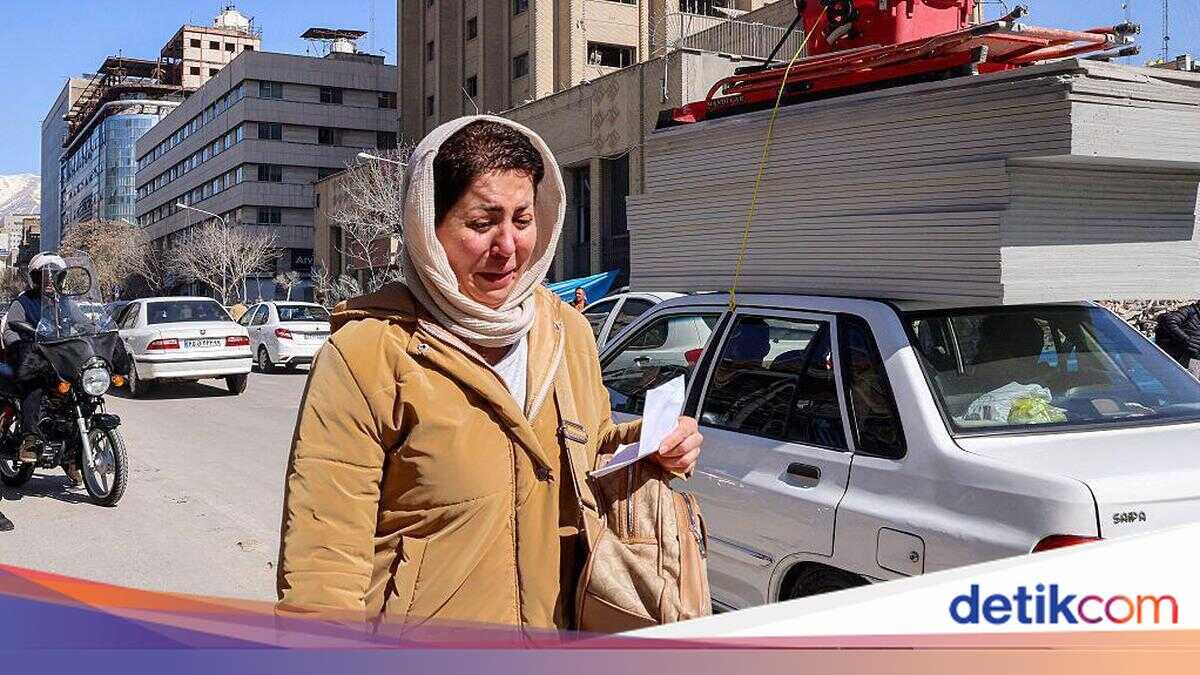
A group of residents in Tehran say they have begun stocking up on essential goods amid growing uncertainty over how long the US–Israel bombardment will last. To BBC Persian, residents there say they fear shortages of food supplies and rising prices, as explosions continue to echo around the city.
One Tehran resident, Nasrin, said: ‘We have to stock up on essential goods because we do not know how long this [attack] will last.’ She added, ‘We fear running out of essentials if we do not prepare now.’
Prices of goods in Iran had already been rising before the US–Israel attack. The cost of living pressures and international sanctions triggered nationwide protests in December, which were met with brutal repression by the Islamic Republic regime. Thousands of demonstrators were reported killed.
The US and Israel strikes in recent days have worsened living conditions for residents in Iran, according to several people who can access the internet amid government censorship, which restricts reporting.
The government-run news agency reported that ‘in line with the government’s decision to prioritise the provision of essential needs’, exports of all food and agricultural products have been banned ‘until further notice’.
Prices for internet data packages have also surged, according to Shayan, a resident of Karaj, a city about an hour’s drive from Tehran. ‘It is very hard to connect to the internet now,’ he said, adding that Elon Musk’s Starlink packages have risen to an ‘extremely’ high level.
Omid, a 26-year-old in Tehran, said, ‘People are now feeling uneasy about how long the situation will last.’ He added that at first he assumed the US and Israel would target only certain people, such as Ayatollah Ali Khamenei, who died on Saturday. Afterwards he thought the attack ‘should have ended by now’.
A plume of smoke rose around the offices of the Islamic Republic of Iran Broadcasting (IRIB) in Tehran on Sunday, 1 March. He said he had heard and seen many explosions across the city by Tuesday afternoon.
But Omid said he decided to stock up on essentials anyway. ‘Not all shops are open,’ he said. ‘Security forces on the streets are tighter, but the streets themselves are empty. Some shops are closed, especially those near the affected areas.’
Maryam, another resident, said she was near an area struck by missiles on Monday night. ‘Last night’s attack was terrifying,’ she wrote via text. ‘Our house shook.’ Some residents have fled Tehran, but Maryam plans to stay. ‘If we are not killed, we will stay here as long as there is a protest on the streets, and I will go out with my family to join.’
‘I am very pleased that these officials are targeted. We will endure this attack until they all leave.’
Non-governmental humanitarian group the Iranian Red Crescent Society reported that about 787 people have died in Iran since the US and Israel launched the strikes on 28 February. Widespread unrest continues. The Israeli military said it had attacked the presidency building in Tehran on Tuesday, as well as other infrastructure targets. BBC-verified video also showed explosions in Pardis, east of the capital.
In retaliation, Iran has launched large-scale missile and drone strikes targeting military and government sites in Tel Aviv and elsewhere. Attacks were also reported in countries hosting US military bases, including Qatar, Bahrain, Jordan, the United Arab Emirates (UAE) and Kuwait, as well as Oman and Saudi Arabia, key US allies.
In the past days, Iran has been accused of broadening its strikes to other targets, including sea routes and civilian objects such as hotels in Dubai and the US embassy in Riyadh, Saudi Arabia.