
Iranian Leader's Condition Questioned, Intelligence Reports Claim Critical
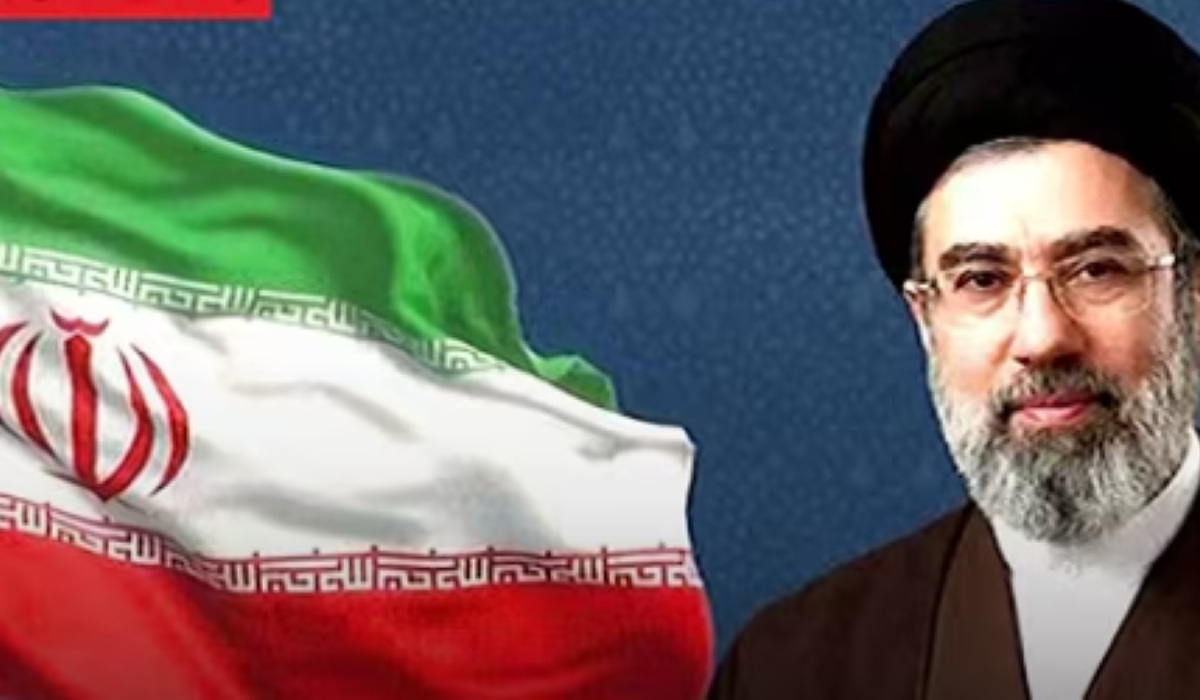
Iran’s Supreme Leader, Mojtaba Khamenei, is reported to have sustained serious injuries from combined US and Israel attacks that began in late February. Several reports state that Mojtaba was wounded on the first day of the attacks on 28 February. According to sources familiar with the situation, he suffered a broken leg, bruising to his left eye, and minor facial lacerations. The same sources indicate that Mojtaba’s condition was once critical, and he received treatment in the Qom region. This information is said to come from a diplomatic memo compiled by US intelligence. Meanwhile, the Israeli military has also confirmed injuries to Mojtaba’s leg since the early stages of the conflict. US Secretary of Defence Pete Hegseth also mentioned the possibility of this condition. “There is a possibility that this so-called new Supreme Leader has been injured,” he said during a press conference quoted by CNN News on Thursday (9/4). US President Donald Trump previously alluded to the Iranian leader’s condition. “I think he is injured, but still alive in a certain condition,” Trump said on 26 March. Several Western media outlets have even reported that Mojtaba is in a coma and receiving secret treatment in a hospital. There are also rumours that he was taken to Russia for surgery for security reasons. However, the Iranian Embassy in Russia has denied these reports. The Iranian government acknowledges that Mojtaba sustained injuries but rejects claims that his condition is critical. “There is no problem with the new Supreme Leader. He issued a statement yesterday and is carrying out his duties in accordance with the constitution,” said the Iranian Foreign Minister at the end of March. Mojtaba Khamenei is known to have assumed the role of Supreme Leader after his father, Ali Khamenei, was killed in the US-Israel attack in February. He was elected by vote in the Assembly of Experts in the first week of March. Since the conflict began, Mojtaba has not appeared publicly. His first statement as Supreme Leader was delivered on 12 March via government television broadcast and social media. In that statement, he affirmed Iran’s stance on the attacks. “We will avenge the blood of our martyrs,” he said. He also emphasised that Iran would target Israel and US military assets in the Gulf region in retaliatory operations. “All US bases in the region must be closed immediately, or those bases will be attacked,” he concluded. To date, Mojtaba Khamenei’s latest condition remains in the spotlight amid the escalating conflict that shows no signs of abating. Further negotiations will take place in Islamabad on Friday (10/4). The US-Iran ceasefire is in a critical situation following Israel’s major attack on Lebanon. Tehran threatens to cancel negotiations and close the Strait of Hormuz again. Israel launched a massive air strike in Dahiyeh, Lebanon. More than 100 locations were hit in 10 minutes, with 254 fatalities. Thailand’s Foreign Minister confirmed that three crew members of the cargo ship Mayuree Naree died after a missile attack in the Strait of Hormuz. The bodies were found on the Iranian coast. Iranian Foreign Minister Abbas Araghchi warned the US to choose between a ceasefire or war through Israel amid escalating attacks in Lebanon. US President Donald Trump is considering cooperation on toll tariffs in the Strait of Hormuz with Iran. Talks are scheduled to take place in Islamabad, Pakistan. The US is seeking Pakistan’s assistance to persuade Iran to agree to a ceasefire to reopen the Strait of Hormuz amid a global surge in oil prices. Iran has proposed a 10-point plan to permanently end the conflict with the US, including opening the Strait of Hormuz and transit fees for reconstruction.