
Iranian Citizens Trapped Between Bombs and Regime, Fearful of Acid Rain
Since the outbreak of war in Iran following attacks by the United States and Israel against various targets in Iran on 28 February, many contacts within the country have become unreachable—by telephone or internet.
Statistics from internet monitoring organisation NetBlocks show that internet connectivity since the end of last month has dropped to only around one percent of normal levels.
Only a handful of contacts remain reachable through communication applications such as Imo, Telegram or WhatsApp, and even more rarely through Instagram.
“I left the city after a building on our street was bombed,” said a single mother who chose to remain anonymous. She said she did not know who lived in the apartment building in her neighbourhood in the metropolis of Tehran.
When the war broke out, the 42-year-old photographer was initially confident she would remain in her home until strikes targeting Iranian officials could free the people. However, on the third night of the war, she was forced to leave the city with her child and go to a relative’s house on the outskirts.
“We saw some rockets fall,” she said. She acknowledged feeling relieved to no longer be in Tehran.
Fear of “poisoned rain”
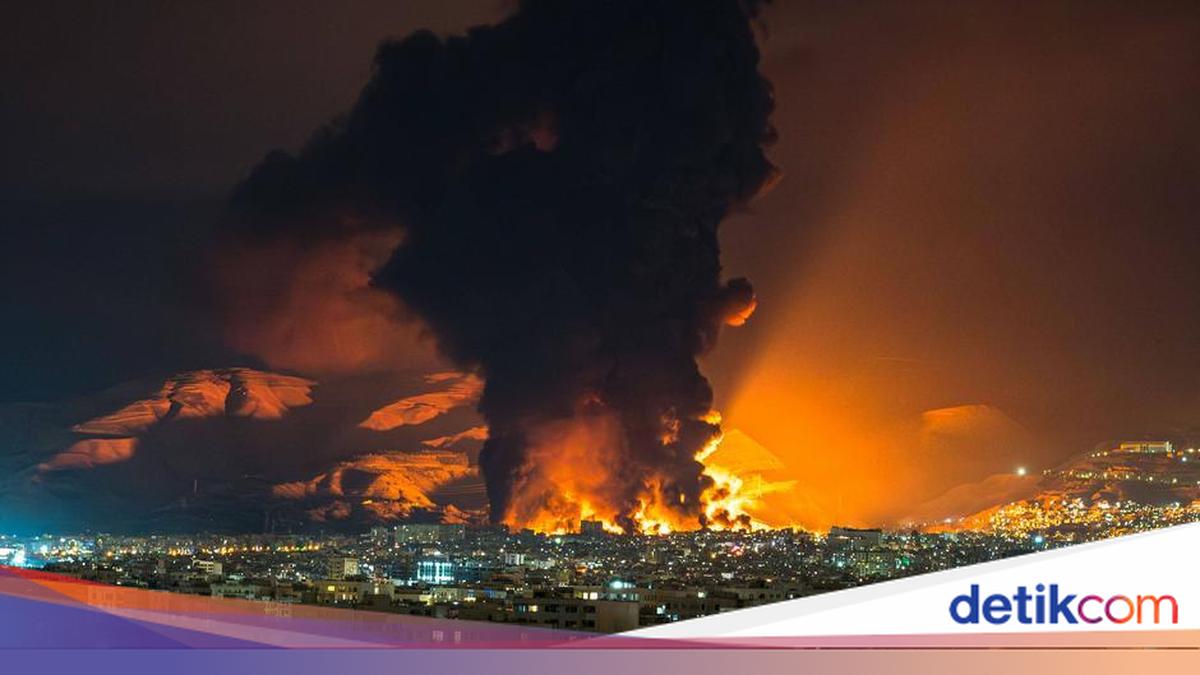
In the city, concerns have emerged about acid rain. Following Israeli strikes against several oil depots around the capital, thick black toxic smoke has blanketed the metropolis. Iranian environmental authorities have asked residents to remain indoors.
The Iranian Red Crescent Society humanitarian organisation has warned that chemicals contained in drizzle can harm skin and lungs.
Beyond oil depots, many other attack targets are also located in densely populated areas of Tehran. Each time an attack occurs, civilians also become victims because they do not know how to protect themselves. The city has no warning sirens or protective bunkers.
According to the human rights organisation Human Rights Activists in Iran (HRANA) based in the United States, from the start of the war until 8 March, 1,205 civilians in Iran have been killed, including at least 194 children. Military casualties total 187 people, whilst 316 other casualties remain uncertain whether they are civilians or military.
Among civilian casualties are at least 110 schoolgirls aged between seven and twelve who were killed on the first day of the war in an attack on a girls’ school in the southern city of Minab. Investigations by teams from The New York Times and the investigative platform Bellingcat separately concluded that the school was likely attacked by the United States military—which, if true, could be classified as a war crime.
Call to international organisations
“Not one party in the war is complying with the rules,” said Moin Khazaeli, an Iranian human rights researcher who has lived in Sweden since 2009.
He added that infrastructure such as oil facilities in Iran do not automatically constitute military targets—just as civilian infrastructure and residential areas attacked by the Islamic Republic in neighbouring countries do not. According to him, the Iranian government is also not protecting its own citizens.
“There are no protective bunkers or alarm systems, and there is almost no information on how the public should behave—especially since the internet has also been shut down,” he said.
He believes international organisations must ensure Iran opens access to humanitarian aid for its population. “More importantly, the Islamic Republic of Iran is responsible for what is happening. International organisations must push for a peaceful transition of power so that people can determine for themselves how they want to live.”
Before the war broke out, almost every conversation with Iranian citizens—who experienced brutal repression of national demonstrations in January—was filled with one hope: regime change through the removal of key figures of the Islamic Republic of Iran. However, as day after day passes in this war, hopes for rapid regime change are fading.
Many people remain in Tehran because they need to work and earn a living. Many are also concerned that the situation will worsen following the appointment of Iran’s new leader, Mostafa Chamenei.