
Iranian Attack Cripples Qatar's LNG, World Faces New Crisis
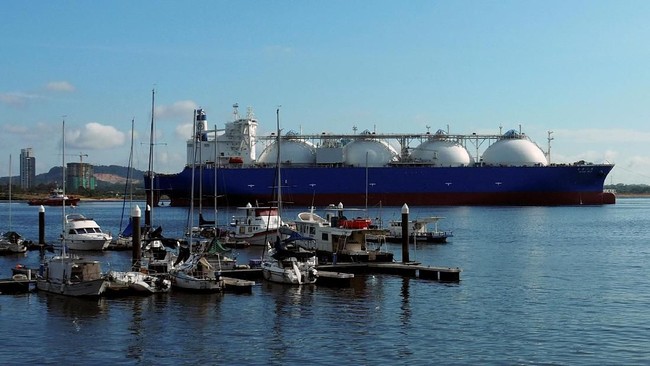
The escalating conflict in the Middle East is now severely impacting the global energy sector. Severe damage to facilities owned by QatarEnergy from an Iranian retaliatory attack is projected to cripple a portion of the country’s liquefied natural gas (LNG) export capacity. This incident is expected to deliver a significant shock to energy supply chains for markets in Europe and Asia over the next several years.
Early Warnings and Attack Context
QatarEnergy CEO Saad al-Kaabi stated that he had routinely warned executives from partner companies and the US Secretary of Energy about the risks of damage to oil and gas facilities if conflict with Iran escalated. Following an attack on Iran’s South Pars gas field, retaliatory strikes have hit various energy infrastructures in the Gulf region, with the greatest impact on QatarEnergy’s Ras Laffan complex, valued at up to US$26 billion in construction costs. The White House responded that US President Donald Trump and his energy team had anticipated short-term disruptions to oil and gas supplies during operations in Iran. Meanwhile, QatarEnergy partner ConocoPhillips expressed its commitment to aiding recovery efforts, while ExxonMobil declined to comment. Kaabi himself acknowledged receiving no prior warning about the attack on the South Pars field, which is part of the giant gas field straddling Iranian and Qatari waters.
Details of Production Capacity Damage
The attack has rendered a portion of Qatar’s hydrocarbon export capacity and by-products inactive. A specific 17% drop in LNG capacity stems from the total destruction of main cooling units, or cold boxes, in two of the 14 LNG trains at the Ras Laffan complex. Structural damage to these crucial units is projected to affect global LNG shipments for up to five years. QatarEnergy has yet to conduct a thorough assessment of whether war-related losses will be covered by insurance. The following outlines the percentage of Qatar’s energy production capacity currently offline:
ExxonMobil’s Exposure to Affected Facilities
ExxonMobil, the US oil giant and key QatarEnergy partner, holds a significant minority stake in two multi-billion-dollar LNG train facilities now offline due to the attack. Details of ownership stakes in the two main affected facilities are outlined in the table below:
Operational Impacts and Regional Economic Crisis
Swift evacuation of 10,000 offshore workers within 24 hours prevented any fatalities or injuries. Nonetheless, this operational halt carries long-term consequences for the company’s expansion schedule. The North Field expansion project, originally designed to solidify Doha’s position as the world’s top LNG exporter by boosting gas liquefaction capacity from 77 million to 126 million tonnes per year by 2027, is now certain to be delayed. All current construction work has come to a complete halt due to the lack of workers on site, and is estimated to be postponed by several months to over a year. New production stages can only resume after the conflict subsides, requiring at least three to four months post-conflict to reach full loading capacity. Kaabi warned that these operational disruptions will have far-reaching ripple effects, potentially setting back the Gulf region’s economy by 10 to 20 years. Economic indicators such as tourism, airline operations, port logistics activities, and government spending are certain to experience drastic slowdowns due to lost revenue from the oil and gas sector.