
Iranian Ambassador: Strait of Hormuz Must Be Controlled by Littoral States
Iran’s Ambassador to Russia, Kazem Jalali, has emphasised that the exclusive right to control shipping traffic through the Strait of Hormuz must be fully handed over to the littoral states. This statement comes amid ongoing escalating geopolitical tensions in the vital shipping lane.
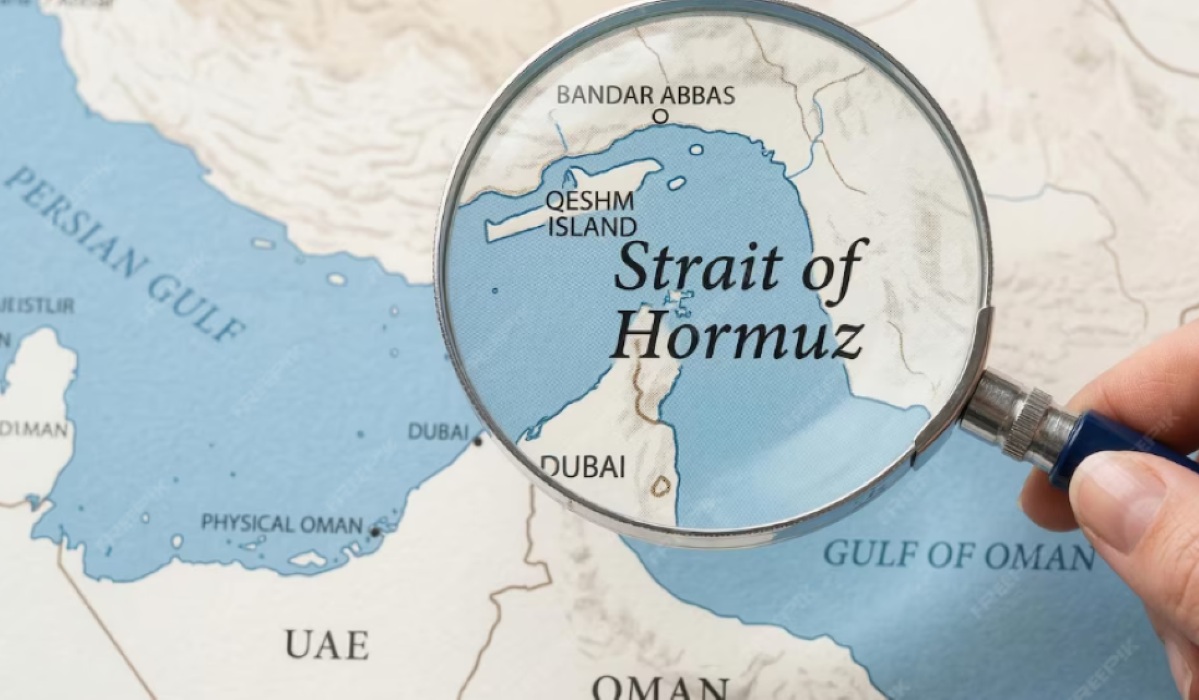
Geographically, the Strait of Hormuz is a strategic global shipping route connecting the Persian Gulf to the Gulf of Oman. The route directly borders the sovereign territories of Iran and Oman, and lies in close proximity to the United Arab Emirates.
“The first step is to establish the international principle that shipping traffic in the Strait of Hormuz is under the exclusive control of the littoral states,” Jalali stated in an interview with RIA Novosti on Monday (6/4).
Jalali stressed that Iran, like other littoral states, has a fundamental right to freely export oil through the strait. He issued a stern warning regarding the stability of energy distribution in the region.
“If that right is not fulfilled, then no party will be able to export oil through that route,” he asserted.
In addition to issues of physical control, Jalali also touched on aspects of symbolic and economic sovereignty, including:
Currently, Iran’s Parliament is reportedly drafting a new legal system that will strictly regulate traffic and sovereignty in the Strait of Hormuz. This step is a direct response to the escalation of conflicts that have occurred since the beginning of the year.
Iran’s blockade of the main shipping route for oil and liquefied natural gas (LNG) from Persian Gulf countries to global markets has triggered economic shocks. The most evident impact is the sharp surge in global energy prices, which threatens economic stability in various importer countries.
To date, Iran’s position remains steadfast that the security and regulation of the Strait of Hormuz is the absolute authority of the states bordering the route, without interference from external powers.