
Iran Warns It Will Not Restrain Itself if Energy Infrastructure Is Attacked Again
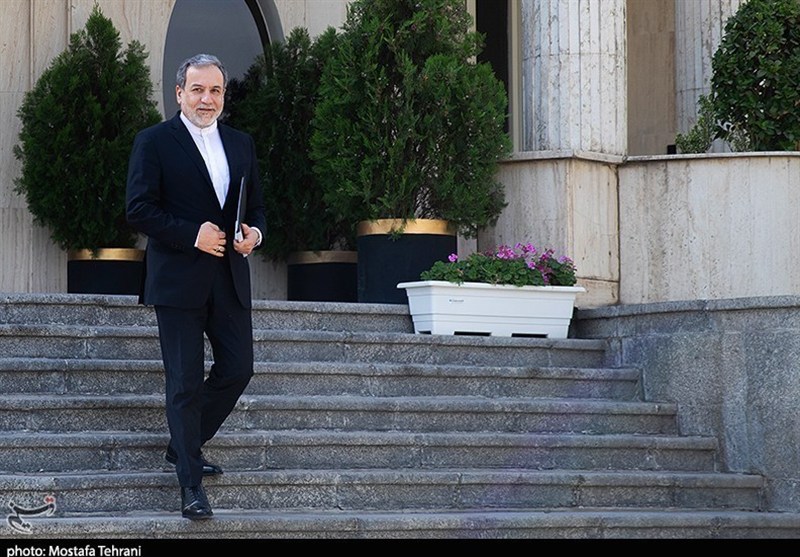
Foreign Minister of Iran, Abbas Araqchi, has issued a stern warning that Tehran will no longer exercise restraint if its energy facilities are targeted again. This statement comes a day after Israel attacked the South Pars gas field, which was subsequently retaliated against by Tehran with strikes on energy facilities across the Persian Gulf region.
In a post on social media platform X on Thursday (19/3), Araqchi emphasised that Iran’s previous actions were merely a small fraction of its military capabilities. “Our response to Israel’s attack on our infrastructure used only A SMALL PART of our strength. THE ONLY reason for restraint is to respect requests for de-escalation,” he wrote.
South Pars is a crucial asset for Iran, serving as the largest source of domestic gas supply, providing 80% of the country’s natural gas needs. The attack on this facility is seen as a direct threat to Iran’s national energy stability.
This warning coincides with Qatar’s assessment of massive damage in the Ras Laffan Industrial City. This location is a vital hub processing around 20% of the global liquefied natural gas (LNG) supply. Due to Iran’s retaliatory strike, Qatar’s LNG export capacity has been paralysed by up to 17%.
In a separate statement, President Donald Trump expressed his frustration by urging Israel not to attack Iran’s natural gas infrastructure. Prime Minister Benjamin Netanyahu has also clarified that the strike on the facility was conducted independently, without US involvement.
QatarEnergy CEO Saad Al-Kaabi told Reuters that Iran’s retaliatory attack damaged two of Qatar’s 14 LNG units as well as one gas-to-liquids (GTL) facility. This damage is expected to halt production of 12.8 million tonnes per year for the next three to five years, with potential revenue losses reaching $20 billion annually.
This escalation has triggered global concerns over inflation amid surging petrol prices. The situation is further exacerbated as the Strait of Hormuz, the waterway through which one-fifth of the world’s oil and LNG supplies pass, is now effectively blocked amid the tensions. “There will be no restraint at all if our infrastructure is attacked again,” Araqchi concluded.