
Iran War Worsens Economic Crisis, Millions of Citizens at Risk of Poverty and Job Loss
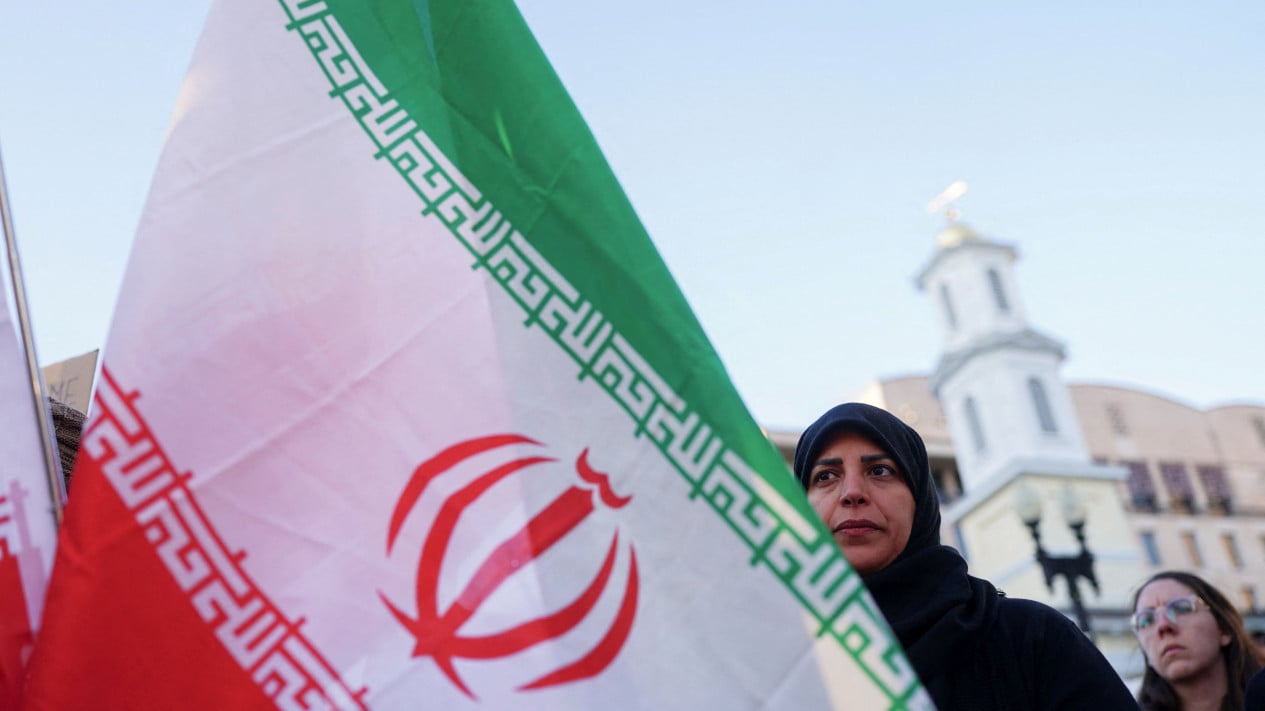
The war between Iran and the United States and Israel is worsening the country’s economic conditions, which were already under heavy pressure. Thousands of airstrikes, import disruptions, inflation surges, and internet restrictions have caused millions of citizens to lose jobs and face the threat of poverty.
Before the conflict erupted, Iran’s economy was already weakened by high inflation, corruption, and international sanctions. Per capita national income has fallen from around US$8,000 or approximately Rp136 million in 2012 to US$5,000 or about Rp85 million in 2024.
The United Nations Development Programme (UNDP) estimates that up to 4.1 million additional people could fall into poverty as a result of this war.
Damage from airstrikes is also extensive. Local media outlet EcoIran reports that more than 23,000 factories and companies have been affected by the attacks.
Iran’s Deputy Minister of Labour and Social Welfare, Gholamhossein Mohammadi, stated that the situation has directly caused the loss of one million jobs.
The impacts extend to various sectors such as petrochemicals, steel, textiles, aviation, digital trade, and freelance workers who rely on the internet.
Researcher at the Quincy Institute, Hadi Kahalzadeh, said that import and distribution disruptions are making economic pressures even heavier. “Many companies are halting operations under the combined pressure of war, inflation, recession, and collapsing demand,” Kahalzadeh said, as quoted from CNN on Tuesday, 28 April 2026.
Official data shows that annual inflation reached 72 percent in March. Price increases for basic necessities are even higher than that figure.
Israeli airstrikes on a major petrochemical complex have led to thousands of workers being laid off without pay. Trailer manufacturer Maral Sanat has dismissed 1,500 workers due to steel shortages, while the Borujerd textile company has laid off 700 workers.
The number of unemployment insurance claims has also surged sharply. In the last two months, there have been 147,000 applications, about three times higher than the same period last year.
One affected worker is Asal, a freelance designer in Tehran who lost projects after internet access was disrupted for nearly two months. “No new projects, no responses. It feels like everything stopped overnight,” she said.
A similar situation is faced by Jafar, a data analyst who lost his job after his company completely shut down and more than 50 employees were laid off. “Now I’m thinking of working in ride-hailing services just to survive. I have to pay rent and debts, and I don’t know what will happen next,” he said.