
Iran War Shakes Asia's Energy Sector, Countries Return to Coal
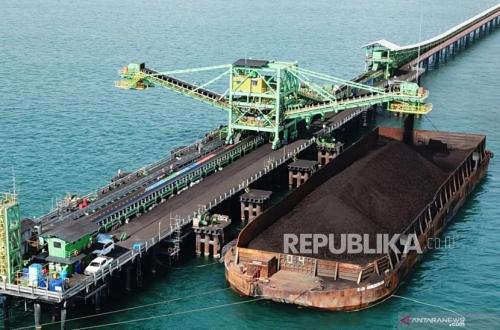
Asian countries are beginning to switch back to coal in response to disrupted oil and gas supplies caused by the war in Iran, which is hindering global energy shipments through the Strait of Hormuz, a vital route for about one-fifth of the world’s oil and gas trade.
The region’s high dependence on energy imports, particularly liquefied natural gas (LNG), makes many countries vulnerable to supply disruptions. LNG has been promoted as a cleaner transitional fuel compared to coal and oil. However, the latest geopolitical conflict is forcing several countries to rely on coal again to maintain energy resilience.
For example, India is increasing coal production to meet the surge in electricity demand during the summer. South Korea has lifted restrictions on coal-based electricity use when LNG supplies are limited.
Meanwhile, Indonesia is choosing to prioritise domestic coal use, and Southeast Asian countries such as Thailand, the Philippines, and Vietnam are accelerating the operation of coal-fired power plants (PLTU). These measures are seen as short-term solutions to cover energy shortages.
However, experts warn that increased coal use could worsen air pollution in major cities, slow the transition to renewable energy, and raise greenhouse gas emissions that accelerate global warming. According to them, coal is an emergency solution, but renewables remain the long-term answer.
“Crises like this are a real warning,” said Julia Skorupska from the Powering Past Coal Alliance on Tuesday (24/3/2026).
Coal is indeed an important part of Asia’s emergency energy strategy. Its abundant availability in the region makes it the primary reserve when gas supplies are disrupted or renewables cannot yet meet needs.
Energy expert from Duke University Sandeep Pai describes coal as a “buffer” in crisis situations. China, the world’s largest consumer and producer of coal, has increased coal-fired power plant capacity to its highest level since 2021 to strengthen energy security. Nevertheless, the country is also expanding clean energy capacity to balance needs.
India, the second-largest coal consumer, is expected to become even more reliant on coal to meet peak electricity demand that could reach 270 gigawatts. The country has coal reserves for about three months ahead, with some stock allocated to small businesses.
Amid the crisis, energy shipments continue, albeit limited. Two shipments of liquefied petroleum gas (LPG) to India totalling more than 92,700 tonnes were reported to have successfully passed through the Strait of Hormuz. However, such supplies are likely to be prioritised for industrial sectors like fertiliser production, rather than power generation.
Coal supporters argue that the fuel’s role remains crucial. Michelle Manook from FutureCoal said that without coal, the impact of energy shortages would be far worse. She emphasised the importance of diversifying energy sources to face future crises.
However, climate researchers warn that repeated reliance on coal could reinforce long-term vulnerability. Pauline Heinrichs from King’s College London cited how China increased coal use during droughts that reduced hydropower capacity, a step that worsened emissions and strengthened the crisis cycle.
Indonesia, as the world’s largest coal exporter, is exacerbating market pressures by prioritising domestic supply. According to energy analyst from the Energy Shift Institute Putra Adhiguna, this policy could tighten regional supplies and drive up global prices.