
Iran War Pushes Pistachio Prices to Record Highs
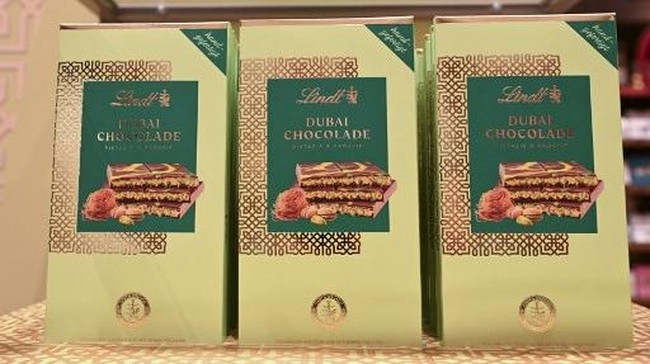
Jakarta, CNBC Indonesia - The war in Iran has driven pistachio prices to their highest levels in several years. The conflict, which began in late February, has disrupted pistachio supplies at a time when consumer appetite for green nut-based foods—such as Dubai chocolate—has surged sharply.
The conflict, which affects shipping routes and regional trade, has complicated exports from Iran, one of the world’s largest pistachio producers, and strained an already tight market.
“It’s like gambling—we don’t know at what price we should sell,” said Behnam Heydaripour, chief executive of London-based wholesaler Borna Foods, to the Financial Times, quoted on Monday (27/4/2026).
According to the United States Department of Agriculture (USDA), Iran accounts for about one-fifth of global pistachio production and, in recent years, has reached 25% to 30% of world exports. However, traders say shipments of the country’s harvest are becoming increasingly difficult because the US-Israel war against Iran is disrupting logistics across the Middle East.
“This war is amplifying existing barriers, not creating new problems from scratch,” said Nick Moss, an analyst at Expana, adding that various issues are now “piling up on each other”.
Expana noted that pistachio prices rose to around US$4.57 per pound in March, the highest level since 2018. Demand has been partly driven by the global frenzy for Dubai chocolate—bars filled with pistachio cream and grated pastry that went viral online in 2023. That trend then sparked a broader surge in pistachio-flavoured products.
However, supplies were already under pressure even before the conflict erupted. The 2025 harvest in major producers, including the US, Turkey, and Iran, fell short of expectations, with Iran’s output hit by drought.
Iran’s exports have also been hampered by sanctions and domestic unrest. Periodic communication blackouts this year have made it harder for exporters to coordinate with international buyers, slowing the flow of goods even before the fighting began.
“It’s hard to talk to suppliers in Iran because their internet is shut down. They can’t reply to emails,” said Heydaripour.
The war has exacerbated these problems. Shipping companies have cancelled or rerouted services, causing cargo delays and cost increases. Shipments of pistachios to major markets, including the Middle East and India, have been disrupted.
These issues “are still manageable for now,” said Moss, but they have already had a “material impact on time and cost”.
Behrooz Agah, a member of the Iran Pistachio Association board, said the war has severely disrupted main export routes through Bandar Abbas Port in the Strait of Hormuz, although exports continue via land routes with added costs and delays.
“Currently, the alternative route for shipping pistachios to the Indian market is through Mersin Port in Turkey and the Suez Canal, which is far more expensive and time-consuming,” he said.
“For shipments to the Chinese market, rail routes are available, although they are also expensive and complicated.”
Customs authorities said Iran’s exports fell 30% in the last two months compared to the same period last year.
A ceasefire has temporarily halted the fighting, but both the US and Iran are still enforcing blockades in the vital Strait of Hormuz, hindering most commercial traffic and pressuring global energy supplies and other trade.
The Middle East plays a central role in pistachio trade, not only as a major consumer but also as a transit hub. Large volumes of Iranian pistachios are typically shipped through countries like the United Arab Emirates and Turkey before reaching global buyers.
“There is higher uncertainty about how much Iranian product can actually reach global markets if the conflict continues,” said Moss.
Borna Foods, for which around 95% of revenue comes from pistachios, imports the nuts from California, Spain, Turkey, and Iran, then supplies them to food manufacturers for use in products like nut butters and ice cream.
Heydaripour said import prices to the UK have risen sharply from around £16 per kilogram before the war to about £18.50. He described the disruption as coming at a critical time.
“We’re getting closer to summer, and in summer we traditionally sell a lot because of ice cream,” he said.
Buyers are now turning to alternative suppliers, particularly the US, which accounts for about 40% of global production. However, US exporters have already sold most of their available supply.
But Heydaripour said Iranian pistachios have a higher oil content than those from other origins. That makes a big difference in flavour. One of his customers is a major baklava producer in the UK.
“He can’t replace Iranian pistachios with American ones because when put in the oven, the result will be dry and burnt.”
This search for alternatives is starting to drive prices up. Traders have reported price spikes in some spot markets in the Middle East and India.
“If Iranian product remains inaccessible for an extended period, prices could continue to face upward pressure,” said Moss.
Nevertheless, Heydaripour remains optimistic that Iranian products will regain dominance.
“Iranians always find a way,” he said.