
Iran War Impact: Egyptian Farmers Squeezed by Soaring Fertilizer and Energy Prices
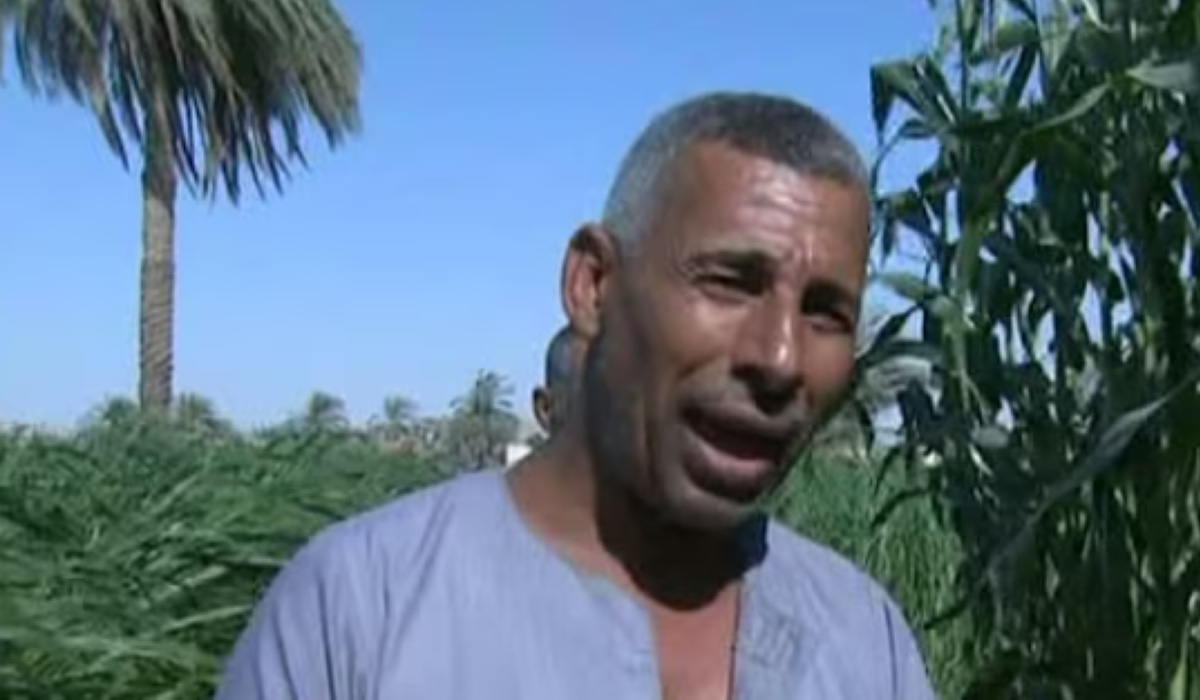
The destructive impact of the war in Iran is starting to spread far and wide, reaching agricultural lands in Egypt. Small farmers in the country are now facing uncertain livelihoods due to soaring and uncontrolled fertilizer and energy prices, forcing them to reduce their workforce and cut back on the area of land they cultivate.
Before the conflict involving the United States and Israel escalated in the region, Ashraf Abu Ragab, a farmer in the village of Nazlet Al-Shobak, was able to manage one hectare of land with the help of several workers. Now, the 45-year-old has to work alone on a plot of land that has been reduced by half.
“Everything has become more expensive,” Abu Ragab told AFP amidst his rows of corn and sesame plants, about 50 kilometers south of Cairo. “Fertilizer, seeds, chemicals. The harvest no longer covers the cost of production.”
With operating costs nearly doubling since the war broke out, Abu Ragab has been forced to stop growing wheat, a crop that is highly dependent on intensive fertilizer use. “I used to have three workers. Now I work with my own hands,” he lamented.
The crisis stems from disruptions to shipments through the Strait of Hormuz, a vital artery of global trade. Under normal circumstances, this route carries about a third of the world’s fertilizer trade, a fifth of liquefied natural gas (LNG), and 35 percent of global crude oil.
Maximo Torero, chief economist at the United Nations Food and Agriculture Organization (FAO), warned that these disruptions are significantly impacting critical agricultural inputs. “Farmers have to make difficult choices: using fewer inputs, switching to different crops, or reducing irrigation. All of this will reduce yields,” Torero explained.
In Egypt, domestic pressures are exacerbating the situation. Although the country produces about seven to eight million tons of nitrogen fertilizer per year, domestic access remains uneven as producers prefer more profitable export markets.
Furthermore, Egypt’s dependence on imported fuels makes its economy vulnerable to global energy shocks. Fuel prices in Egypt reportedly rose by 30 percent in March, while the value of the Egyptian pound has depreciated by about 15 percent since the war began.
A contrasting situation is seen on the producer side. Large companies like Abu Qir Fertilizers reported a more than doubling of their first-quarter profits, benefiting from high global prices and export demand.
“Producers can export or raise prices, but small farmers do not have that flexibility,” said Nader Nour Eldeen, an agricultural professor at Cairo University.
The head of the Farmers’ Union, Hussein Abu Saddam, predicts a decline in the production of staple crops such as wheat, corn, and rice if costs remain high. This poses a serious threat to national food security, given that Egypt imports 12-14 million tons of wheat each year to support its bread subsidy system.
For farmers like Abu Ragab, the future remains bleak. After losing almost half of his investment last season, he continues to work without certainty. “If prices remain like this, many farmers will not be able to continue their businesses,” Abu Saddam concluded.