
Iran War Hits the Skies: Global Airlines at Risk of Grounding
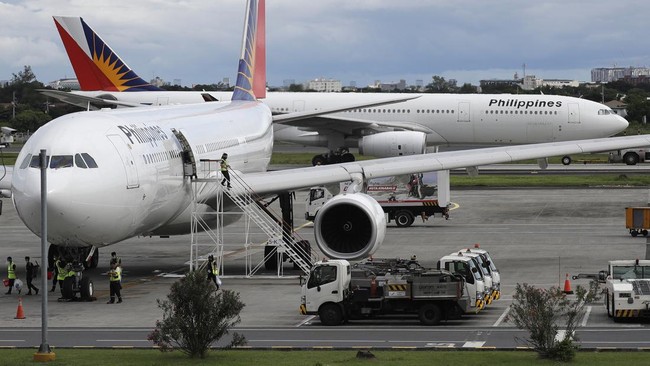
The US-Israel war against Iran is beginning to pose new threats, particularly to the aviation industry. The conflict, which erupted in late February, has disrupted the Strait of Hormuz, a critical energy route through which about one-fifth of the world’s oil and LNG supplies pass. Any disruption in this route can immediately trigger concerns over global energy supplies and drive spikes in oil prices. This situation has spilled over into the aviation sector. As oil prices rise and energy distribution is disrupted, jet fuel or avtur prices are also pushed higher. The International Air Transport Association (IATA) recorded that the average global jet fuel price for the week ending 20 March 2026 rose 12.6% from the previous week to US$197 per barrel. Compared to the previous month’s average, the surge reached 105.8%. This increase indicates that the pressure on airlines is no longer just a concern but has become tangible in their daily operational costs. From the table above, it is evident that the pressure is most acutely felt in Asia and Oceania, where the average jet fuel price has reached US$204.95 per barrel, a 16.6% increase from the previous week. Compared to the previous month’s average, the rise has exceeded 129.8%. This means airlines in the Asian region are facing even greater cost pressures than the global average. This situation warrants close attention because surges in avtur prices risk directly driving up air ticket prices. For airlines, fuel is one of the largest cost components, even the biggest expenditure after labour. Therefore, when crude oil and jet fuel prices rise sharply, the pressure on airline operations becomes immense. If this price increase persists, airlines typically seek ways to maintain margins, from reducing flight frequencies, cutting capacity, to passing on some of the cost increases to passengers through higher fares. In other words, energy price surges not only squeeze the aviation industry operationally but also have the potential to be directly felt by consumers. Meanwhile, the rise in crack spreads also shows that it is not just crude oil that is expensive, but the processing costs to turn it into jet fuel are also soaring. This layers the pressure on airlines, as what is rising is not only the price of raw energy but also the final price of the fuel directly used for flights. Philippines at Risk of Shutting Down Domestic Flights The impact of this crisis is starting to become evident in the Philippines. President Ferdinand Marcos Jr. has warned that aircraft from the country’s airlines could be grounded due to the threat of jet fuel shortages. According to him, several countries have informed Philippine airlines that they cannot provide refuelling, so operators must carry avtur for round-trip journeys. He also noted that long-haul routes will be the most problematic if this situation continues. Marcos’s statement shows that the threat to airlines is no longer just about swelling costs. The crisis has begun to touch the heart of aviation operations, namely access to fuel. If aircraft must carry extra fuel for return trips, costs increase, efficiency drops, and not all routes can operate normally. Marcos even acknowledged that grounding aircraft is a real possibility, though he hopes that scenario can still be avoided. The Philippines is one of the most vulnerable countries because it relies heavily on oil imports. As the Middle East conflict disrupts energy distribution, the pressure on costs and supplies in countries like the Philippines is felt more quickly. This is why the threat of flight disruptions in that country now serves as one of the clearest examples of how the war in the Middle East can spill over into the Asian transport sector. Several Airlines Begin Cutting Flights The impact of expensive jet fuel is no longer just a paper threat. Several airlines in various countries have begun announcing reductions in flights or at least opening options to cut capacity if fuel prices remain high. Scandinavian Airlines System (SAS), for example, has stated it will cancel 1,000 flights in April following the surge in oil and jet fuel prices. This airline is also said to have already cancelled hundreds of flights this month. Similar pressure is occurring in New Zealand. Air New Zealand has announced it will cut about 5% of its flights, equivalent to around 1,100 services until early May, due to the jet fuel price surge triggered by the Iran war. This policy mainly affects domestic routes, with tens of thousands of passengers needing rescheduling. No exception in Uncle Sam’s country, United Airlines has also stated it will reduce about 5% of its scheduled capacity in the next two quarters. This reduction focuses on flights deemed less profitable, particularly during off-peak hours, in response to the fuel cost surge. This step is taken amid concerns that oil prices could remain very high for a long time. Meanwhile, there are also airlines that have not officially cut flights but have given strong signals in that direction. easyJet, for instance, this UK-based airline has not yet directly changed capacity but has opened the possibility of reducing flight frequencies to several affected destinations if cost pressures and demand changes continue.