
Iran War Crisis Causes German Airlines to Cut Flights: What About Indonesia?
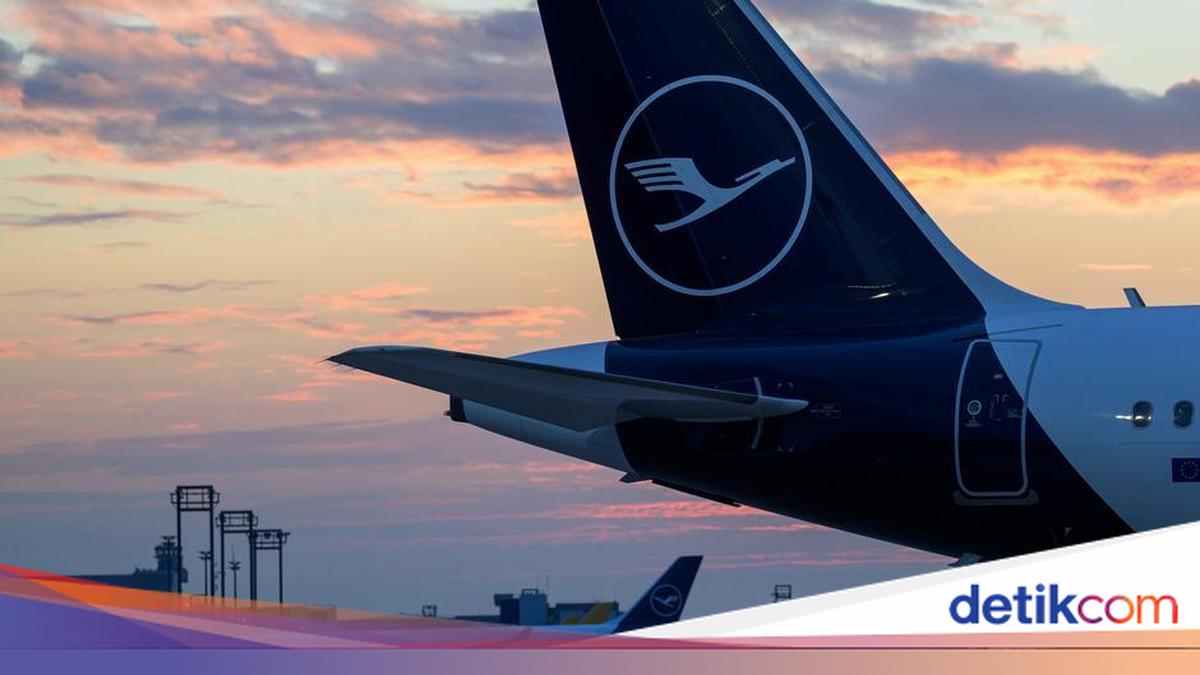
The war in Iran has impacted the global aviation sector. Shortages of aircraft fuel alongside surges in ticket prices have caused chaos on international flight routes.
On Tuesday (21/04), Germany’s largest airline, Lufthansa, cancelled 20,000 flights between May and October to save fuel.
The doubling of fuel prices since the Iran-US conflict began has prompted airlines to cancel short-haul flights for avtur consumption efficiency.
In addition to Lufthansa, last week the Dutch airline KLM also cancelled 160 flights in May. Similar issues are being felt by other airlines in Europe and the Asia-Pacific region. Travellers are facing the possibility of mass cancellations and rising ticket prices ahead of the European summer holiday season.
The Executive Director of the International Energy Agency (IEA), Fatih Birol, recently stated that Europe only has aircraft fuel supplies for the next six weeks. The EU Energy Commissioner, Dan Jørgensen, added that this crisis is shifting from a price hike issue to a supply crisis. EU member states are currently exploring the possibility of sharing fuel stocks to maintain air transport continuity.
The ongoing closure of the Strait of Hormuz has severely disrupted the global energy supply distribution. Europe’s aviation sector is particularly affected because much of the raw materials for jet fuel production there are imported from the Middle East.
EU Plan to Address the Avtur Crisis
Transport ministers from EU member states met on Tuesday (21/04) to discuss measures to handle this fuel shortage and provide guidance to airlines. The EU Transport Commissioner, Apostolos Tzitzikostas, said that a long-term blockade of the Strait of Hormuz would be a disaster for Europe and the global economy.
The European Commission has outlined energy and transport mitigation measures. One of them is a plan for joint management of jet fuel stocks and regulating supply distribution across member states.
Another measure under consideration is purchasing more aircraft fuel from the United States. “If this crisis continues, interventions and relief will be provided to affected airlines,” said Tzitzikostas.
What about the aviation situation in Indonesia?
In Indonesia, plane ticket prices have risen 9-13%. However, this situation has not yet significantly impacted, particularly on the reduction of domestic inter-city flights. Citing Detik.com, the Governor of West Nusa Tenggara (NTB), Lalu Muhamad Iqbal, stated that high ticket and fuel prices do not affect the number of tourists visiting NTB.
He also added that the number of flights to and from Lombok International Airport has actually increased, “there are more scheduled flights, including international ones. Even up to now, there have been no flight cancellations.”
According to Iqbal, the global rise in ticket and aircraft fuel prices is viewed as not greatly impacting tourist visits to NTB. However, the local government has stated it is preparing mitigations to anticipate if the energy crisis conditions continue.