
Iran War Causes Prices to Soar, Poor Countries Begin to Choke
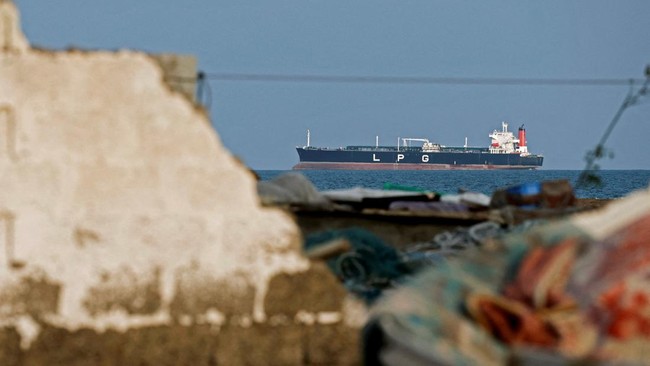
The impact of the United States-Israel conflict with Iran is being felt widely, particularly by developing countries in Asia, Africa, and the Middle East. The surge in energy prices due to supply disruptions, including the closure of the Strait of Hormuz and attacks on oil and gas facilities in the Gulf region, is hitting the Global South’s economy hard.
Several countries, such as Pakistan, Bangladesh, Sri Lanka, Jordan, Egypt, and Ethiopia, are facing double pressures. In addition to relying on energy imports, their fiscal capacities are limited in cushioning the price increases.
In Pakistan, which imports around 80% of its energy needs, the government has taken emergency steps to save fuel. These include closing schools, implementing a four-day workweek for government offices, and enforcing work-from-home policies for some civil servants.
Pakistan’s Prime Minister Shehbaz Sharif has even decided not to raise petrol and diesel prices ahead of Eid al-Fitr, emphasising that the government will “bear the burden” of the cost increase. Previously, the government had approved a price hike of 55 rupees, or about Rp3,200.
Although subsidies help contain the pressure, the risks remain significant. Executive Director of the Institute of Business Administration Karachi, S Akbar Zaidi, assesses that the full impact has not yet been fully felt.
“The overall shock is quite severe, although it has not yet been fully passed on to consumers and industry,” he said, as quoted by Al Jazeera on Wednesday (25/3/2026). “I expect the situation to worsen in the coming weeks after the disruptions and price factors pass.”
A similar crisis is occurring in Bangladesh, which imports about 95% of its oil. Several regions are reported to be running out of fuel despite the government implementing rationing.
Meanwhile, Sri Lanka has designated every Wednesday as a holiday and introduced a fuel ticketing system to curb energy consumption. The country is still recovering from its economic crisis since 2019.
In Egypt, the government has imposed operational restrictions on shopping centres and cafes, as well as reduced public lighting. On 10 March, fuel prices were raised by 15% to 22% to ease the subsidy burden.
Egypt’s President Abdel Fattah el-Sisi described the policy as an unavoidable step. He warned that without adjustments, the country could face “harsher and more dangerous outcomes”.
The pressure is intensifying due to currency depreciation in many developing countries. The strengthening of the US dollar amid global uncertainty is causing import costs, including energy, to skyrocket.
The conflict’s impact is also directly felt by the public. Rising energy prices could drive food inflation, especially in countries heavily reliant on diesel for transportation and agriculture.
Researcher at the Institute of Sustainable Development Policy in Islamabad, Khalid Waleed, warns that the domino effect will soon be evident.
“Truck costs are already starting to rise, and that will affect everything from flour to fertiliser in the coming weeks,” he said. He added that if diesel prices remain high until the April-May harvest season, Pakistan risks facing a significant surge in food inflation.
Amid the conflict showing no signs of abating, analysts predict that economic pressures in developing countries will worsen before improving.