
Iran War Becomes Boomerang, White House Divided—Trump Pulled in Three Directions
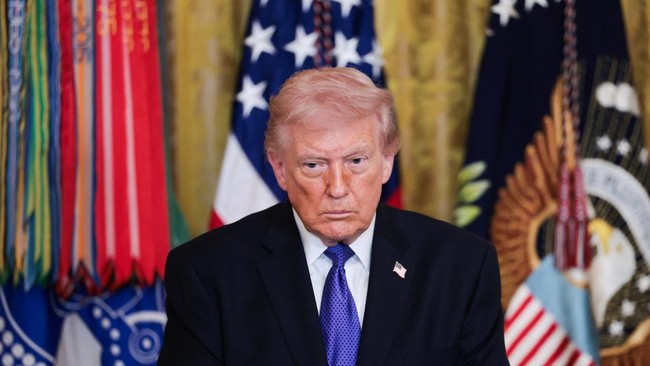
President Donald Trump’s decisions and public statements regarding the course of the war against Iran are not made in isolation. Behind the scenes at the White House, various factions of advisers, politicians, and conservative media figures are competing to influence policy direction, ranging from pressure to swiftly end military operations to demands to maintain pressure on Tehran.
Sources familiar with internal discussions told Reuters that the debate within Washington’s circles of power now centres on one critical question: when and how should the US government declare victory amid a conflict that is actually spreading across the Middle East.
Several officials and advisers have warned Trump that surging fuel prices could become a political boomerang from US and Israeli attacks on Iran. Meanwhile, a more aggressive faction is urging the president to maintain an offensive against the Islamic Republic.
This information was revealed by Trump advisers and other figures close to the decision-making process, offering a previously unpublished picture of the dynamics within the White House as Washington adjusts its approach to America’s largest military operation since the Iraq War.
Shifting Messages
The behind-the-scenes tug-of-war reveals the enormous political stakes Trump faces. The president, who returned to office last year with promises to avoid “stupid” military interventions, has now brought the US into a war approaching two weeks in duration, shaking global financial markets and international oil trade.
Various parties attempting to influence Trump is not new during his presidency. However, this time the stakes involve war and peace in one of the world’s most volatile and economically important regions.
In recent days, Trump has appeared to shift the emphasis of his public messaging. Whereas at the war’s launch on 28 February he articulated ambitious objectives, he has since stated that the conflict is a limited campaign with most of its goals substantially achieved.
Yet this message remains confusing to many, including the global energy market, which has risen and fallen in response to the president’s statements.
At a campaign-style rally in Kentucky on Wednesday, Trump stated, “we won” the war. However, shortly after he changed his tone, saying, “We don’t want to go too fast, do we? We need to finish the job.”
Economic and Political Concerns
Economic advisers and government officials, including from the Department of the Treasury and the National Economic Council, have warned Trump that surging oil and petrol prices could quickly erode domestic public support for the war.
This was communicated by sources familiar with the discussions, who spoke on condition of anonymity because they were discussing internal meetings.
Political advisers, including White House Chief of Staff Susie Wiles and her deputy James Blair, have also made similar arguments. They highlighted the potential political impact of rising petrol prices and encouraged Trump to define victory more narrowly and signal that military operations are limited and nearly complete.
On the other hand, more forceful voices are urging the president to maintain military pressure on Iran. Among them are Republican senators Lindsey Graham and Tom Cotton, as well as conservative media commentator Mark Levin.
This group argues that the US must prevent Iran from acquiring nuclear weapons and respond forcefully to attacks on US forces and commercial shipping.
Pressure is also coming from Trump’s own populist base. Figures such as Steve Bannon and right-wing television personality Tucker Carlson are urging the president not to get drawn into a prolonged conflict in the Middle East.
“He’s letting hardliners believe the military campaign continues, wants markets to believe the war may end soon, and wants his support base to believe escalation will remain limited,” said one Trump adviser.
White House Rebuttal
In response, White House spokeswoman Karoline Leavitt rejected the characterisation that the president’s policies are influenced by internal tug-of-war.
“This story is based on gossip and speculation from anonymous sources who were not even in the room when discussions with President Trump took place,” she said.
“The president is known as a good listener and seeks opinions from many people, but ultimately everyone knows he is the final decision-maker and the best deliverer of his own message,” she added.
Leavitt also emphasised that the entire presidential team is focused on achieving the objectives of the military operation called “Operation Epic Fury”.
Seeking a Way Out
When bringing the United States into the war, Trump provided limited explanation. The government’s stated war objectives have also shifted, from preventing an alleged imminent Iranian attack, to crippling its nuclear programme, to overthrowing the government in Tehran.
Now, as he attempts to find an exit from an unpopular conflict, Trump is trying to balance several contradictory narratives. Some critics believe this approach actually complicates an already difficult situation, while Iran continues to show resistance despite facing massive US and Israeli air strikes.
Senior political advisers and economic advisers, who previously warned of potential economic shocks before the war but were largely ignored, are said to be playing a major role in pushing Trump to calm markets and control rising energy prices.
The shift in tone in the president’s public statements characterising the war as limited reflects these competing pressures from within his administration.