
Iran-US Tensions Escalate: Iran May Choose Confrontation over 'Surrender'
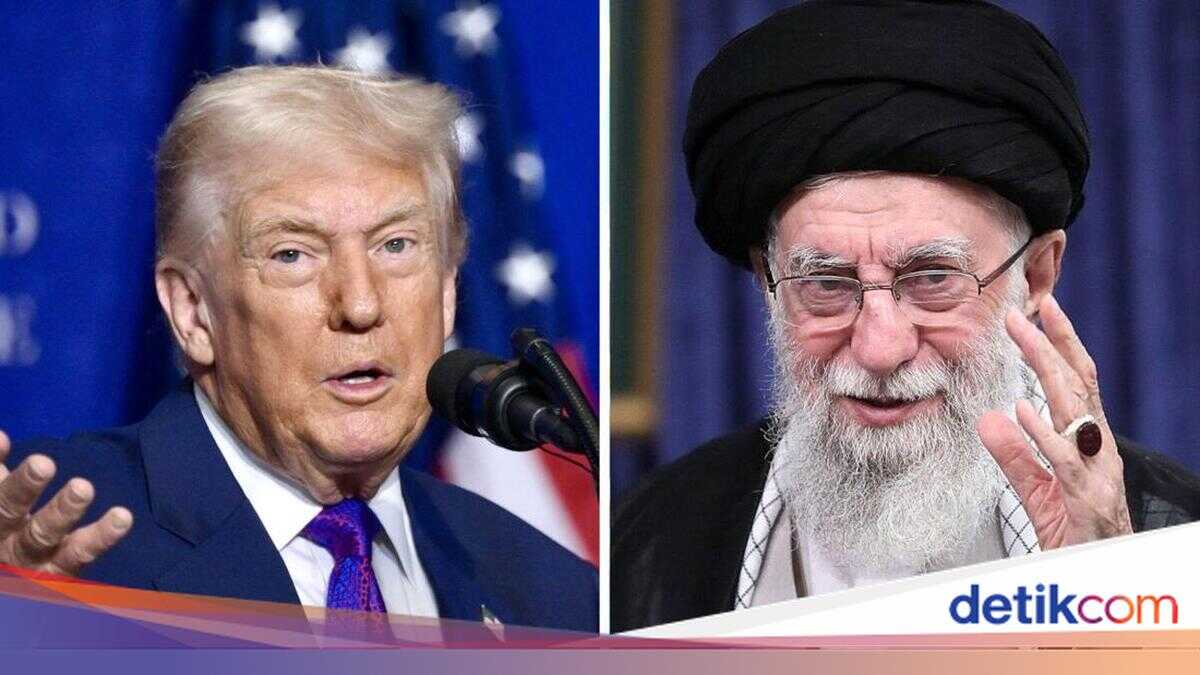
The current build-up of US military strength in the Gulf region points more towards preparation than mere signalling.
The arrival of the aircraft carrier USS Abraham Lincoln near Iranian waters represents a significant step. A second carrier, USS Gerald R Ford, was last spotted near the Strait of Gibraltar and has headed eastward to support potential operations. Other forces have also been moved into the region, reinforcing the impression that Washington is assembling layered military options.
Such deployments can serve as leverage in diplomacy. However, taken together, they may also indicate that indirect talks between Tehran and Washington have reached a dead end—one that could be followed by military action if neither side shifts its position.
This raises a fundamental question: why do Iran’s leaders, at least publicly, continue to defy the world’s most powerful military?
The answer lies in the terms Washington has set for the talks.
US Conditions Viewed as Surrender
From Tehran’s perspective, these demands are not negotiations but capitulation. They include halting uranium enrichment; reducing ballistic missile range so as to no longer threaten Israel; ending support for armed groups across the region; and, as US Secretary of State Marco Rubio has stated, changing how Iran treats its own citizens.
For Iran’s leadership, these are not secondary policies. They form the core of what they regard as their security architecture.
Without strong international allies, Tehran has spent decades building what it calls the “Axis of Resistance”—a network of armed groups designed to keep confrontation away from Iran’s borders and redirect pressure closer to Israel.
Tehran’s ballistic missile programme has served as a substitute for an ageing air force and limited access to advanced military technology. The nuclear programme, though officially described as peaceful, is widely viewed as a deterrence effort.
Even without weaponisation, mastery of the uranium enrichment cycle creates what strategists call “threshold capability”—infrastructure requiring only a political decision to shift to military use. That latent capacity itself functions as leverage.
Removing these elements, in Tehran’s view, would destroy its deterrence foundations.
Risks for the Supreme Leader
From the perspective of Iran’s Supreme Leader Ali Khamenei, accepting these terms may appear more dangerous than risking limited war with the United States under Donald Trump.
Military confrontation, however costly, may be deemed manageable. But total strategic retreat may not be.
Yet the risks contained in this calculation are enormous—and not only for Iran.
Any US campaign could target senior leadership in its opening phase. If Khamenei were killed, it would not only end his rule of more than three decades but could also destabilise succession at a moment of vulnerability.
Strikes against the Islamic Revolutionary Guard Corps and other security institutions could also weaken an apparatus that has recently reasserted control after being shaken by the largest wave of protests in the Islamic Republic’s history.
Protesters who filled the streets in recent weeks—and were pushed back only through overwhelming force—remain deeply discontented. A sudden blow to the state’s coercive machinery could shift the domestic balance in unpredictable ways.
Tehran may assume that Washington’s objectives would be limited to degrading nuclear and missile capabilities. However, wars rarely proceed according to initial assumptions. Miscalculations regarding targets, duration, or political impact could rapidly expand the conflict.
Economic pressure adds another layer of risk. Iran’s economy, already strained by sanctions, inflation, and declining purchasing power, would struggle to absorb further shocks. Disruption to oil exports or infrastructure damage would deepen public anger that has been suppressed rather than resolved.
In this context, defiance serves multiple purposes. It signals resolve externally and projects strength internally. But it also narrows the space for compromise.