
Iran-US-Israel Conflict: Indonesian Business Leaders Concerned About Disruption to Global Trade
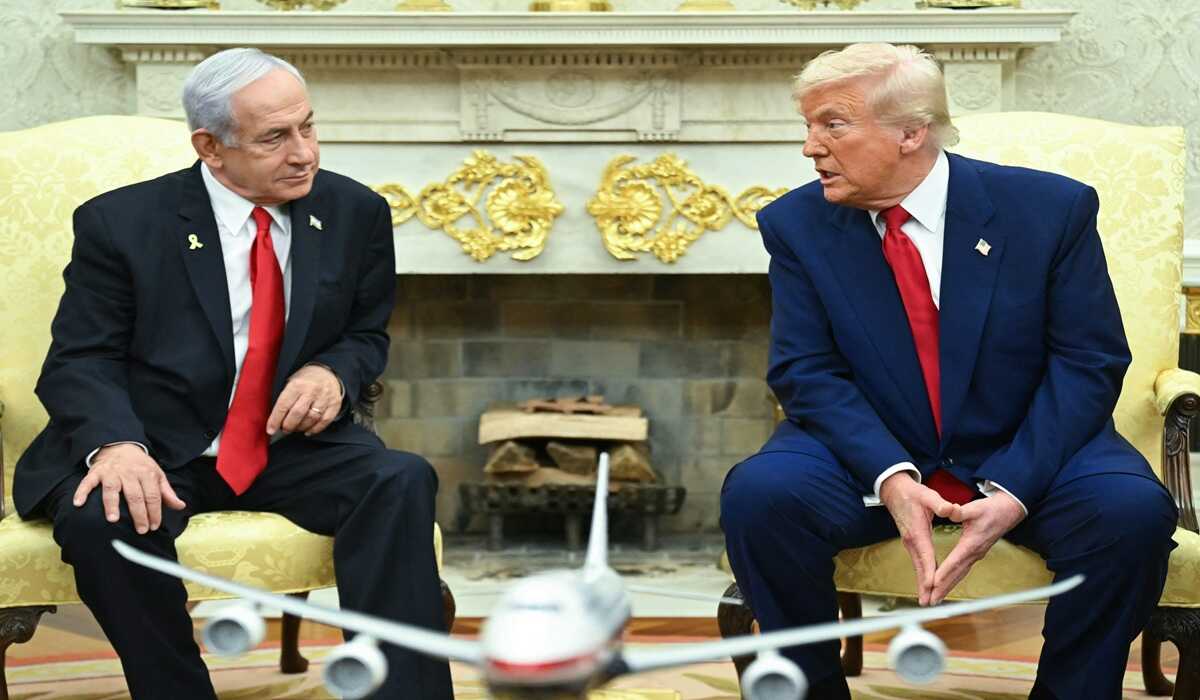
The brutal and deadly attack by Israel and the United States on Iran on Saturday, 28 February, shocked the world.
The Indonesian Employers Association (Apindo) is monitoring the risks of escalating US-Israeli attacks on Iran that could potentially expand into a regional conflict in the Middle East. Apindo’s General Chairman Shinta Widjaja Kamdani stated that the primary risks stem not only from market sentiment but also from potential disruptions to global energy and trade routes.
This is particularly evident in the Strait of Hormuz region, which represents one of the world’s key energy trade bottlenecks, with approximately 20% of global oil passing through this area.
“Business operators’ main concern is the increase in risk premiums for oil and gas prices, as well as rising international logistics costs. Even without physical closure of the strait, uncertainty alone can trigger sharp increases in energy prices and global logistics costs,” Shinta said in a statement received on Monday, 2 March.
For Indonesia as a net oil importer, she continued, such pressure could potentially increase production costs and narrow fiscal space if global energy prices rise above budget assumptions.
Beyond energy, the business community is also monitoring the risk of spillover effects on food inflation. Rising energy costs will impact the distribution, logistics, and transportation costs of food commodities.
Under certain conditions, Shinta noted, such pressure could accelerate increases in basic food prices, particularly if accompanied by global supply disruptions or currency depreciation.
“Therefore, stability in food supply and distribution becomes a crucial aspect that must be maintained if conflict impacts widen and persist,” she said.
From a fiscal perspective, Shinta believes that if energy prices remain elevated, the burden of energy subsidies and compensation could increase. Apindo also considers it important for the government to manage these risks carefully to avoid excessive pressure on the deficit and state debt financing.
“Disciplined debt management, maintaining the deficit ratio within a credible corridor, and ensuring state spending remains well-targeted are important factors in maintaining market confidence,” she explained.
On the external front, global risk-off dynamics are said to increase currency volatility. Rupiah weakness will increase the cost of energy and food imports, so coordination of monetary and fiscal policy needs to be strengthened to maintain macroeconomic stability.
Shinta noted that the impact on the business sector would vary. According to her, industries with high dependence on energy and international logistics will feel direct pressure.
“Labour-intensive sectors are among the most vulnerable because of thin margins and high sensitivity to distribution costs, imported raw materials, and disrupted export demand,” she said.
Shinta stated that Indonesia’s direct trade relations with Iran and Israel are indeed relatively limited. However, indirect effects through global energy prices, international trade disruptions, food inflation, exchange rates, and financial market sentiment become factors that are far more relevant to the national business community.
The international community was shocked by major escalation in the Middle East in early March 2026.
Tensions between the United States and Iran reached a peak after the final diplomatic efforts in Geneva ended without agreement.
US President Donald Trump stated that American military operations against Iran are estimated to last approximately four weeks, or even shorter.
A Reuters/Ipsos poll showed only 25% of US citizens support military action against Iran. The risk of surging fuel prices and military casualties poses a threat to Trump’s position.
The Chinese government expressed deep concern over military strikes against Iran carried out by the United States and Israel.
Nine people were reported killed and 40 others injured in clashes between police and protesters at the United States Consulate in Karachi, Pakistan.