
Iran–US–Israel conflict could disrupt global tourism
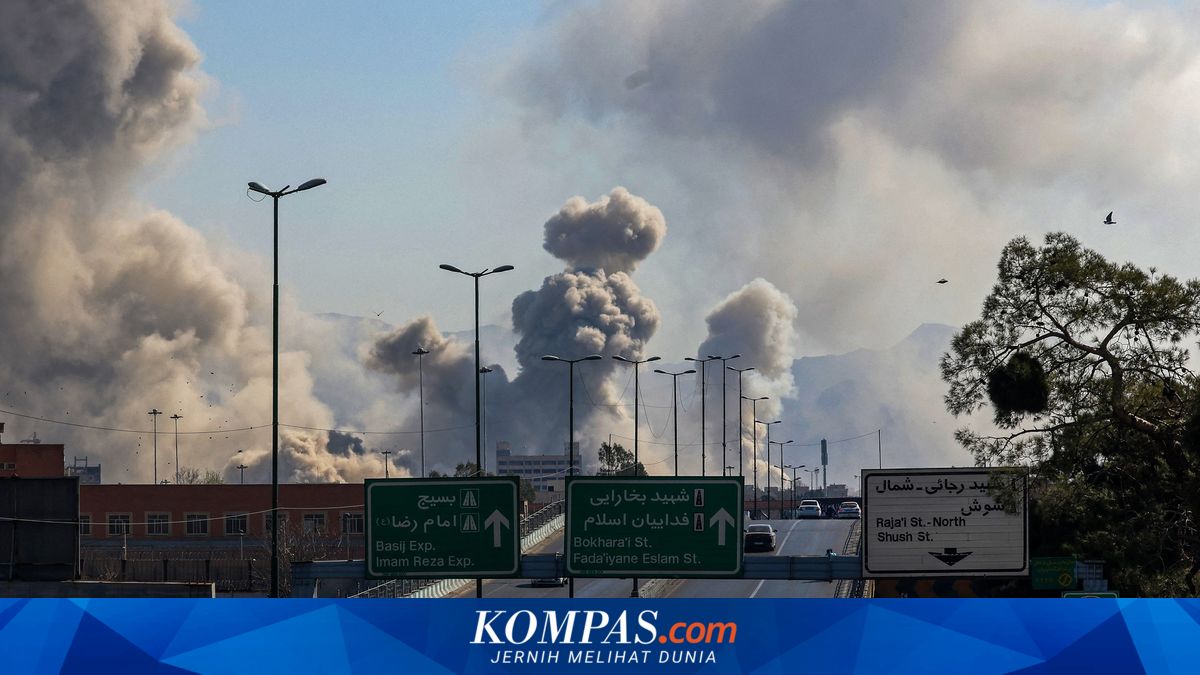
Penulis KOMPAS.com – The conflict in the Middle East between Iran and the US-Israel since late February 2026 is seen as potentially disrupting the global tourism industry. This is due to disruption to international flight connectivity, which has long relied on transit routes in the region. Muhammad Yamin, an academic at Jenderal Soedirman University (Unsoed), said that the closure of airspace in several Middle Eastern countries has caused significant disruption to the global flight network. He noted that in the last two decades the Middle East has developed into a hub of global air connectivity. Several major airports in the region function as hubs linking flight routes from Europe, Asia, Africa and the Americas. International airports such as Dubai, Doha, and Abu Dhabi have even become transit nodes for tens of thousands of passengers each day through major carriers such as Emirates, Qatar Airways, and Etihad Airways. However, when airspace in several countries such as the United Arab Emirates, Qatar, Bahrain, Iraq, Kuwait, and Jordan was closed simultaneously, the impact was felt not only regionally but also affected global mobility. ‘Many international flights were cancelled or diverted. Thousands of passengers were stranded at various airports because transit routes through the Gulf region could not continue,’ he said. The disruption, he continued, also affected tourist destinations in various countries, including Indonesia which has long relied on international flight connectivity via hubs in the Middle East. The flight cancellations led to thousands of would-be travellers being affected. In addition, some foreign tourists on holiday in Bali had to seek alternative flights to return to their home countries. ‘This shows that geopolitical conflicts occurring far from Indonesia can still have a domino effect on the national tourism sector,’ he said. In addition to disrupting flights, the conflict in the Middle East could also drive up world oil prices. This could raise airlines’ operating costs. The rise in operating costs could ultimately lead to higher airfares, which could dampen travellers’ interest in long-distance travel. ‘Leisure travellers are usually very price-sensitive. When ticket prices rise, they tend to postpone travel or choose closer destinations,’ he said.