
Iran-US Conflict: Investors Torn Between Buying the Dip or Exiting Markets
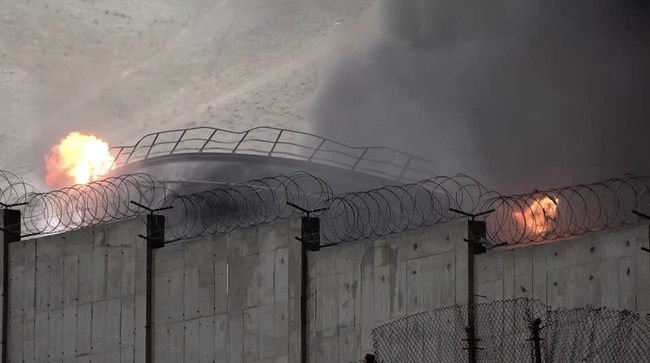
Investors began last week with the conviction that Israeli and American strikes against Iran would trigger only a brief conflict that markets could dismiss. Indeed, the S&P 500 index briefly posted modest gains early in the week.
However, by week’s end, concerns mounted that soaring oil prices resulting from an expanding Middle Eastern conflict could spark global shockwaves. The situation has drawn comparisons to the economic fallout from Russia’s invasion of Ukraine, which triggered stagflation fears.
According to The Wall Street Journal, investors are grappling with a fundamental question: whether market anxieties represent a buying opportunity at depressed prices or a signal to exit before conditions deteriorate further. Uncertainty has intensified as the conflict threatens to escalate, pressuring global energy prices.
The comparison to Russia’s 2022 invasion of Ukraine reveals similar patterns in oil markets. Before that invasion, oil prices jumped from US$90 to approximately US$120 per barrel; currently, oil has surged above US$110 per barrel, with the percentage increase significantly steeper than in 2022.
Global stock markets outside the United States have exhibited reactions comparable to the early stages of the Ukraine conflict. The MSCI All Country World ex-US Index has declined roughly 6.6% from its pre-Iran strike peak.
Nevertheless, certain classic crisis patterns have yet to materialise in financial markets. Investors have not rushed en masse towards safe-haven assets such as government bonds, gold, or currencies like the Swiss franc.
Jacob Manoukian, head of US investment strategy at J.P. Morgan Private Bank, noted that markets are beginning to recognise the conflict’s potential global economic impact. However, geographical distance has prevented the tensions from feeling as acute as major historical crises for investors.
From an economic perspective, rising oil prices have created a divergence between beneficiaries and those disadvantaged. Non-Middle Eastern energy exporters gain advantages, whilst major importers including Europe, Japan and South Korea face elevated energy costs.
Conversely, the United States is relatively advantaged as the world’s largest oil producer and exporter. Strikes against Iran and disruptions to regional energy infrastructure and shipping lanes could weaken competitors in global energy production.
This dynamic also explains the strengthening of the US dollar against other currencies. Currencies such as the euro and yen have weakened, whilst US stock markets have experienced more limited declines compared to other global exchanges.
Within financial markets, assets that had registered sharp gains throughout the year have suffered the largest declines over the past week. Conversely, previously underperforming assets have strengthened despite overall market pressures.
This pattern appears at both country and sector levels. South Korea’s exchange, which had surged roughly 50% before the conflict, has experienced the sharpest decline, followed by Japan, the United Kingdom and Europe.
Similar patterns have emerged across stock sectors. Software stocks, previously pressured by artificial intelligence competition concerns, have strengthened over the past week, whilst semiconductor stocks that had previously soared have suffered sharp declines.
Nearly half the stocks in the Nasdaq-100 index have gained over the past week. Notably, nearly all rising stocks had previously declined since the beginning of the year before the conflict commenced.
Goldman Sachs data reveals that the stock index favoured by hedge funds declined 4.7% throughout the week, far deeper than the broader market. Meanwhile, the stock index most heavily shorted by hedge funds declined only approximately 1.1%.
This movement indicates hedge funds are beginning to unwind positions to reduce leverage. However, the decline remains insufficient to indicate panic deleveraging across the market.
If the conflict persists and oil prices continue rising, pressure on risk assets is expected to continue. At a certain threshold, market panic may compel investors to shift towards safe assets such as US government bonds, which could depress their yields.
Market history suggests investors often eventually view conflict periods as opportunities to purchase stocks at depressed prices. The classical adage frequently attributed to legendary banker Nathan Mayer Rothschild captures this notion—buying when war-driven panic grips markets.
The greatest challenge, however, lies in timing entry correctly. Investors must monitor signs indicating whether market disruption will worsen before ultimately reaching an inflection point.