
Iran Threatens 'Total Apocalypse' if US Escalates During Ceasefire
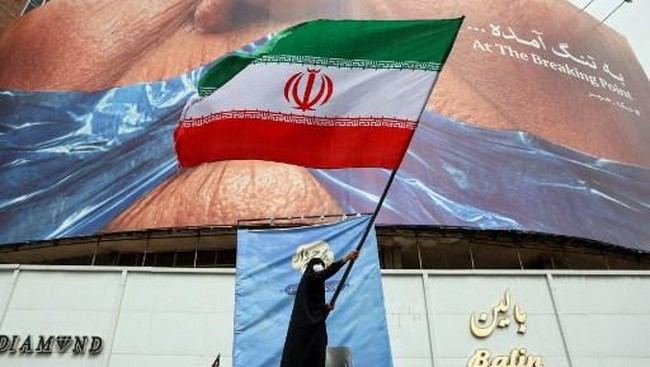
Iran is escalating signals of a return to war with the United States (US) as negotiations towards a potential agreement with Washington continue. Despite negotiators reporting progress, military confrontations on the ground show no signs of abating. According to CNN on 29 May 2026, the US launched a second wave of strikes against Iran within days this week, with ongoing armed clashes in the Strait of Hormuz. Iranian officials are leveraging the negotiation momentum to assert confidence in their significant military options should diplomacy fail. The Islamic Revolutionary Guard Corps (IRGC) warned that any new conflict would extend far beyond the region, threatening devastating attacks in locations unimaginable to adversaries. This stern warning follows previous conflicts where Iran demonstrated its ability to target US military bases, Israeli cities, and critical infrastructure in Gulf Arab states. Such actions previously crippled shipping through the Strait of Hormuz and triggered global energy shocks. Foreign Minister Abbas Araghchi warned that future retaliatory actions would bring greater surprises, while Iran’s military threatened to deploy new defensive capabilities. Similarly, top Iranian negotiator Mohammad Bagher Ghalibaf stated that the armed forces have used the ceasefire period to rebuild their defensive capabilities to the highest level. New Blockade Experts suggest much of this rhetoric aims to deter further enemy attacks, but they caution that Tehran retains significant escalation options if diplomacy collapses, including a major maritime blockade strategy. Iran recognises it cannot defeat the US and Israel through conventional military means, so it seeks to impose economic damage globally by blockading the critical Hormuz Strait. Emboldened by past successes, Tehran is now reportedly targeting other vital maritime corridors for blockade. According to US Energy Information Administration (EIA) data, over 10% of global seaborne oil trade passed through the Bab al-Mandeb Strait in 2023. After Houthi maritime insecurity near Yemen in 2024, oil volumes fell by nearly half and liquefied natural gas (LNG) shipments dropped to near zero. Energy strategy expert and senior researcher at George Mason University, Umud Shokri, told CNN of the catastrophic consequences if both straits were closed simultaneously by Iran and its allies. ‘A simultaneous crisis in Bab al-Mandeb and the Strait of Hormuz would be far more severe, potentially affecting Red Sea trade and Persian Gulf energy flows, driving up oil prices, shipping costs, and global inflation,’ Shokri said, per CNN. In recent years, the Houthis have demonstrated their ability to disrupt maritime navigation near Bab al-Mandeb by attacking, seizing, and sinking passing vessels. However, Shokri noted that establishing a total blockade similar to Hormuz would be far more difficult in the region. ‘Bab al-Mandeb is not directly controlled by Iran, and a prolonged closure would likely trigger a strong international naval response. A more realistic scenario is not a full physical blockade, but a prolonged security crisis making commercial shipping too risky or expensive,’ Shokri said, per CNN. Oil Wells If Trump follows through on threats to target Iran’s oil refineries, infrastructure, and power plants, Tehran is predicted to expand the war’s scope across the Arab world. Iran would attack sensitive sites to sow global economic panic and undermine regional neighbours’ reputations as secure international business hubs and reliable energy suppliers. Iranian national security committee member Ahmad Bakhshayesh Ardestani asserted that if the US targets Iranian oil facilities, Tehran would retaliate by striking Gulf Arab oil wells. This escalation would be far more severe than the 40-day conflict earlier, when Iran only targeted pipelines or refineries. ‘If they aim to deprive us of oil, we won’t attack their pipelines but their oil wells, making oil and fuel scarce and expensive worldwide,’ Ardestani said, per Iranian media cited by CNN. Critical Infrastructure Even after the official ceasefire began on 8 April, Iranian proxies in Iraq have been accused by the United Arab Emirates (UAE) of attacks targeting Abu Dhabi’s nuclear power plant. Meanwhile, Saudi Arabia continues to face drone attacks originating from Iraq. During the conflict, Iran has reportedly launched missiles at targets