
Iran Threatens to Destroy Gulf Oil Facilities in Escalating Conflict with Israel
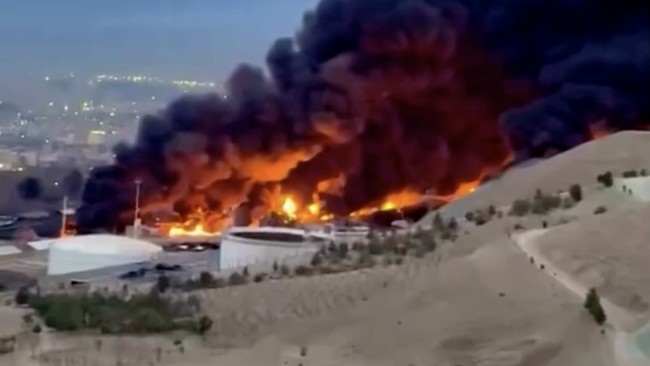
Tensions between Iran and Israel have intensified following Tel Aviv’s airstrikes on several energy facilities around Tehran. The escalation has prompted Iran to threaten retaliation against Gulf oil installations and sparked significant concern about major disruptions to the global economy.
According to The Guardian, Israeli military airstrikes struck at least five energy locations near Tehran on Sunday. The explosions produced massive fireballs and plumes of black smoke that blanketed the city’s skyline.
Iran’s oil distribution company reported four workers killed in the attack on a fuel storage facility. The explosions were heard as far as Karaj, a city near the capital.
A spokesman for the Islamic Revolutionary Guard Corps (IRGC) warned that Iran is prepared to retaliate if attacks on energy infrastructure continue.
“If you can tolerate oil prices exceeding $200 per barrel, continue this game,” the IRGC spokesman said, according to Iranian state media on Monday, 9 March 2026.
The threat has triggered concerns in the global energy market, given that Iran accounts for approximately 4% of world oil production, with the majority of its exports destined for China.
Amid escalating tensions, the United States government is attempting to calm energy markets. US Energy Secretary Chris Wright affirmed that Washington will not target Iran’s energy infrastructure.
“Attacks on Iranian oil facilities were carried out by Israel. The United States will not target Iran’s energy infrastructure,” Wright told CNN International.
He assessed that potential disruptions to global oil and gas supply would likely be temporary. “Energy supply disruptions will probably only be brief, lasting at most a few weeks,” he said.
Meanwhile, Iran’s political landscape is shifting rapidly. Clerics with authority to select Iran’s supreme leader have announced that Mojtaba Khamenei has been chosen as the new supreme leader, succeeding his father Ali Khamenei.
In a statement broadcast by state media, the clerical assembly said the decision was made through a “decisive vote” and called on the Iranian people to unite behind the new leadership.
Mojtaba Khamenei’s appointment represents a historic moment, as it marks the first time since the Iranian Revolution that the supreme leader position has passed from father to son.
However, this development risks triggering further tensions with Donald Trump, who has previously stated that this outcome is unacceptable. Trump has warned that Iran’s next supreme leader “will not last long” if Tehran does not obtain his approval first.