
Iran Threatens to Attack Arab Data Centers Supporting US Military Operations
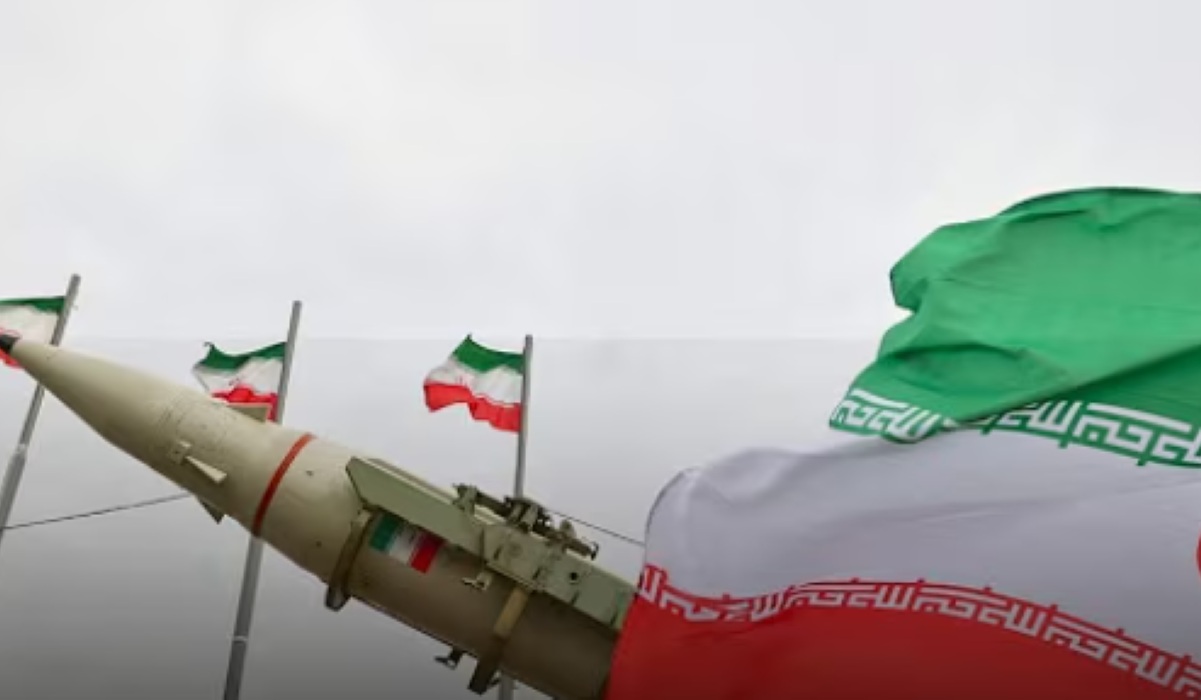
ESCALATION of the Middle Eastern conflict has entered a new and alarming phase. The Iranian government is reportedly considering attacks against data centres in several Arab nations, which are allegedly used by the United States to support military and intelligence operations against Tehran.
This information was disclosed by Iranian diplomatic sources to the RIA Novosti news agency on Wednesday, 11 March 2026. The move is being taken in response to allegations that neighbouring countries’ infrastructure is being used to facilitate Washington’s military pressure on Iranian sovereignty.
The sources confirmed that the United States is not only utilising physical military bases, but is also using data centres and optical fibre infrastructure belonging to Arab countries to conduct cyber-attacks and coordinate intelligence operations.
“The United States uses data centres in Arab countries to support intelligence and military operations against Iran. There is a possibility that Iran will attack these data centres in the coming days,” said the Iranian diplomatic source on Thursday, 12 March 2026.
Tehran believes that the Arab governments in question have taken no concrete measures to prevent the misuse of their civilian infrastructure by US military forces. Iran regards this inaction as tacit approval that legitimises these targets for military attack.
Iran previously conducted retaliatory strikes against Israeli territory and US military facilities across the Middle East. The tension originated from Washington and Tel Aviv’s claims that their attacks were necessary to neutralise Iran’s nuclear programme.
However, in recent developments, both countries have openly stated that military operations aim to effect regime change in Tehran. This statement has further inflamed the diplomatic situation in the region.
If Iran does indeed carry out attacks on data centres in Arab countries, this is predicted to disrupt global internet stability and communications, given the Middle East’s strategic position in undersea cable routes and regional data centre infrastructure.
As of publication, no official statements had been issued by the Arab countries concerned regarding Tehran’s threat. However, military analysts have warned that asymmetric warfare involving digital infrastructure could trigger wider open conflict throughout the Gulf region.
The situation between Tehran and Washington remains tense, with both sides on the highest state of alert. The Indonesian rupiah and global commodity prices are expected to fluctuate in response to security uncertainty in this critical global energy hub.