
Iran Threatens Ships Deviating from Routes in Strait of Hormuz
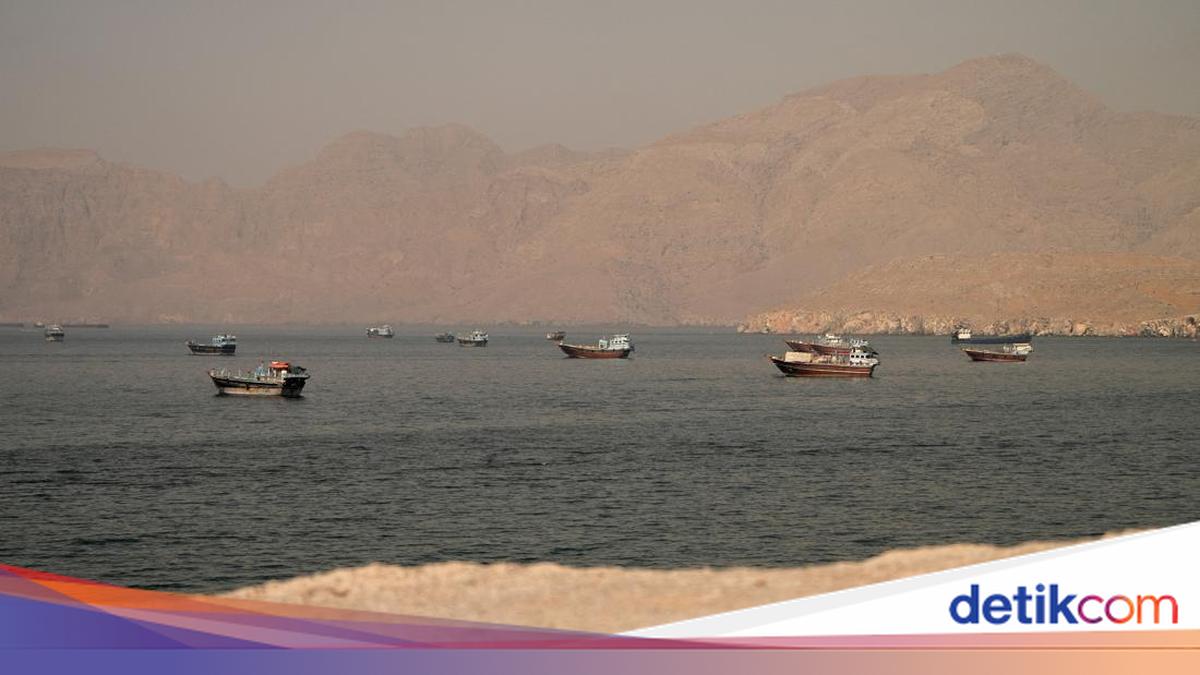
Iran has once again demonstrated its dominance in the Strait of Hormuz. Despite reaching a peace agreement with the United States, the Islamic Revolutionary Guard Corps (IRGC) has warned all ships to only use shipping lanes designated by Tehran and threatened action against vessels straying from official corridors. The IRGC stressed that any shipping routes created without coordination with Iran are unacceptable and dangerous. The warning came after several new shipping lanes were announced in the Strait of Hormuz region. The move signals that Iran is still trying to maintain strategic control over one of the world’s most important energy shipping lanes. The situation also shows the uncertainty still looming over the global shipping industry even though the Iran-US conflict has de-escalated. The IRGC emphasised that only shipping lanes determined by Iran may be used. In addition, every vessel is required to coordinate with Iranian authorities through available communication channels. ‘Sailing outside these routes is extremely dangerous and prohibited, and we warn all ships to strictly avoid any movement outside the designated corridors,’ the IRGC Navy said. The warning came after a major maritime information group proposed an alternative shipping corridor on Saturday. In its notice, shipowners were advised to transit the strait via the southern route while keeping their transponder signals active. ‘The southern transit route, along Oman’s territorial waters, has been confirmed to be mine-free and is the recommended route,’ the notice read. Amid the tension, shipping activity in the Strait of Hormuz has begun to show signs of recovery. MarineTraffic tracking data recorded a threefold increase in the number of ships crossing, reaching 93 vessels by the end of last week. However, this figure is still below pre-war conditions, when more than 100 ships crossed the strait daily. MarineTraffic also confirmed 32 verified crossings on Tuesday by commercial and energy-carrying vessels. Shipowners are still using a combination of Iranian, Omani, and International Maritime Organization routes when traversing the area. ‘Operators are still moving cautiously rather than returning to fully normal traffic patterns,’ the company said. Previously, the US Department of the Treasury imposed sanctions on Iran’s Persian Gulf Strait Authority in May. The sanctions were imposed due to indications of extortion practices against global maritime trade activities. US Treasury Secretary Scott Bessent stressed that Washington will not tolerate any toll system in the Strait of Hormuz. The US will also aggressively target those involved. Analysts have also warned that Iran’s control over the Strait of Hormuz could have long-term impacts on global energy trade flows. They assess that transit will not fully return to normal as long as Tehran maintains its operational influence over the waterway. ‘If the conflict ends and Iran retains operational control and influence over the Strait of Hormuz, in our view, there will be a significant decline in traffic through the waterway,’ said Helima Croft, Head of Commodity Strategy at RBC Capital Markets.