
Iran Rules Out Diplomatic Space
Istanbul — An Iranian official has stated that his country is ruling out the possibility of diplomacy and that Tehran is prepared to face prolonged war with Washington, whilst continuing to strike Gulf states to pressure them into pushing United States President Donald Trump to withdraw from the conflict.
The statement was delivered by Kamal Kharazi, foreign policy adviser to Iran’s supreme leader, in an interview with CNN on Monday evening (9 March), local time.
Kharazi warned that diplomacy is currently not an option and that war can only end if economic pressure compels other nations to intervene.
“I do not see room for diplomacy anymore, because Donald Trump has deceived others and broken his promises, and we have experienced this in two rounds of negotiations; when we were engaged in negotiations, they attacked us instead,” Kharazi said.
Kharazi also suggested that Arab Gulf states and others ought to pressure Washington to end the conflict.
“This war has created much pressure, economic pressure, on others, in terms of inflation and energy shortages; and if this continues, that pressure will only increase so that others have no choice but to intervene,” he said.
When asked whether Iran’s military and leadership remained unified, Kharazi responded that they remained solid.
“The responsibility of the leader of the Islamic Republic of Iran is to lead Iran’s defence capabilities and as Ayatollah Khamenei has done, the new leader will also do so,” he asserted.
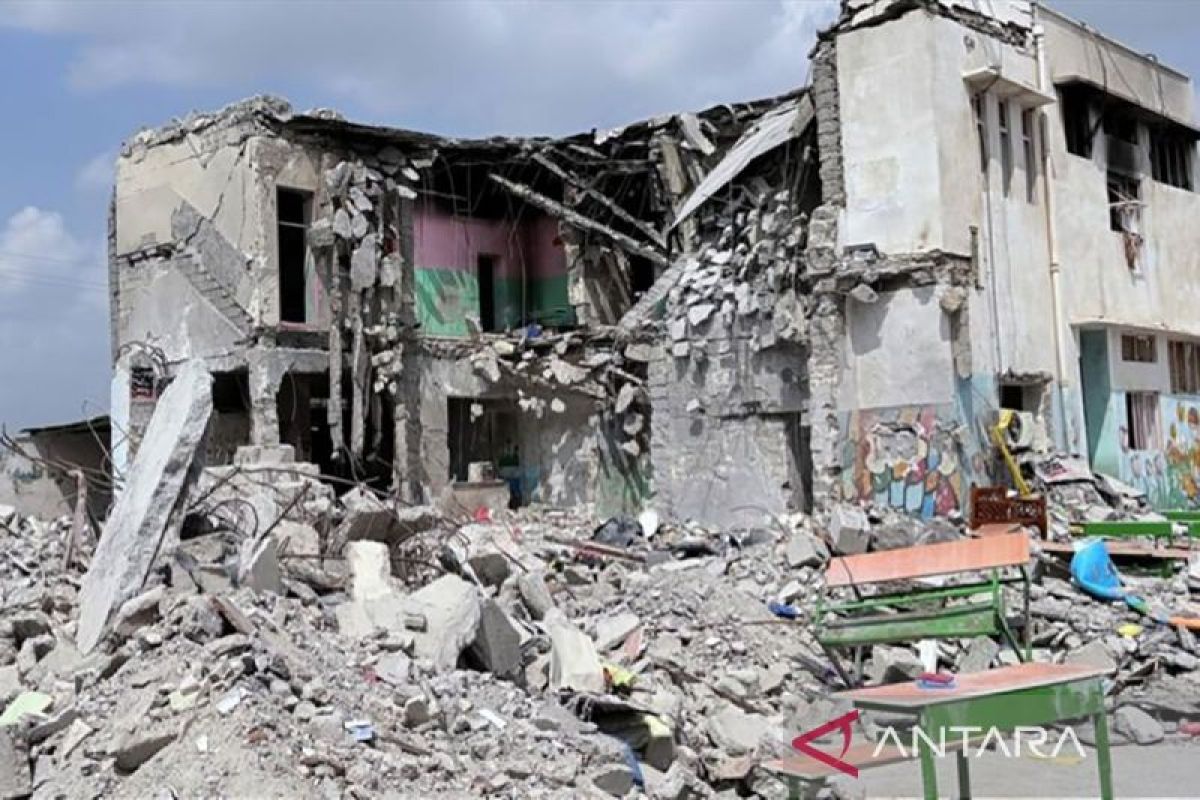
The attack killed more than 1,200 people, including Supreme Leader Ayatollah Ali Khamenei. Iran subsequently responded with drone and missile strikes targeting Israel, Jordan, Iraq, and Gulf states hosting United States military assets.
Iran has also effectively closed the Strait of Hormuz, the strategic waterway linking the Persian Gulf to the Arabian Sea.
The Strait of Hormuz handles approximately 20 million barrels of oil shipments per day and around 20 per cent of global liquefied natural gas trade, much of which is bound for Asian markets.