
Iran Responds to Trump's Threatened Blockade of the Strait of Hormuz, Warns of 'Deadly Vortex'
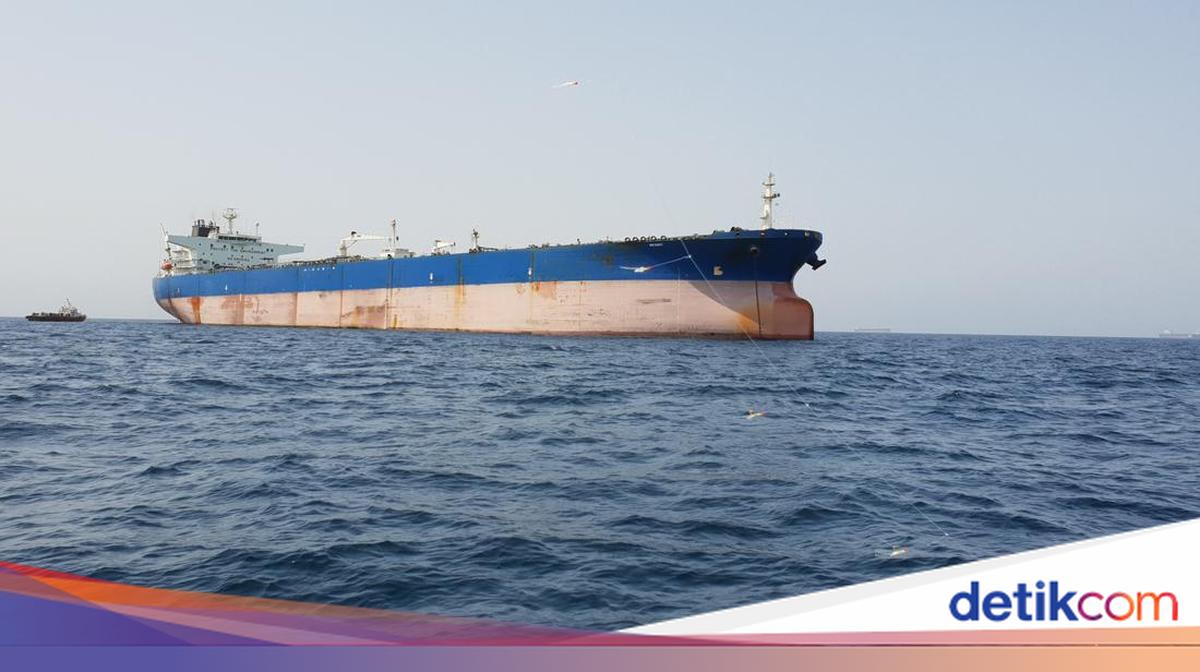
The entire traffic… is under the full control of the armed forces,” stated the Revolutionary Guard Navy command, as reported by the AGP news agency on Monday (13/4/2026). “The enemy will be trapped in a deadly vortex in the Strait if they make the wrong move,” it added. In a separate statement released by the Revolutionary Guard’s public relations office, the navy’s command emphasised that the Strait of Hormuz remains open to civilian vessels in accordance with established regulations. They are prepared to act against military ships approaching the Strait of Hormuz. “Any military vessel intending to approach the Strait of Hormuz under any pretext will be considered a violation of the ceasefire and will be dealt with firmly,” it stressed. Iran imposed a de facto blockade on the Strait of Hormuz after the war with the United States and Israel began on 28 February, which triggered a surge in global energy prices. A two-week ceasefire has been agreed upon, but its conditions are in question, particularly after the failure of talks between Iran and the US in Pakistan. US President Donald Trump ordered the US Navy to blockade the Strait of Hormuz. Trump did this after negotiations with Iran in Pakistan failed. Trump said the marathon negotiations in Pakistan went well and most points had been agreed upon. However, Trump said Tehran refused to yield on the issue of its nuclear programme. “Effective immediately, the United States Navy, the best in the world, will begin the process of blockading every and all ships attempting to enter or exit the Strait of Hormuz,” Trump said on his Truth Social platform, as reported by AFP news agency on Sunday (12/4). “Any Iranian who shoots at us, or at peaceful ships, will be blown to hell!” he added.