
Iran Refuses Negotiations with US; GCC and Arab Allies Condemn Attacks
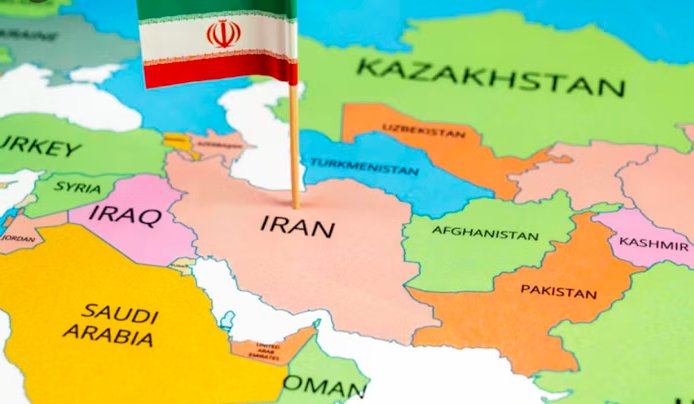
SECRETARY-GENERAL of Iran’s Supreme National Security Council, Ali Larijani, has reaffirmed that Tehran will not negotiate with the United States. The statement was issued via Larijani’s official account on social media platform X, responding to reports suggesting Iran was attempting to restart negotiations with Washington through the Sultanate of Oman.
Larijani accused former US President Donald Trump of plunging the region into chaos and sacrificing American troops for Israeli interests. “With his own illusions, he transformed the slogan ‘America First’ into ‘Israel First’ and made American soldiers pay the price with new lies,” Larijani stated.
The GCC’s Council of Foreign Ministers condemned Iran’s attacks on Gulf states and Jordan, calling on the UN Security Council to take immediate action. The GCC statement emphasised that Iranian missile and drone attacks have caused extensive damage to civilian facilities, infrastructure, and residential areas, whilst threatening the safety of residents.
“An attack on any member state shall be considered an attack on all GCC members,” the statement read. The GCC stressed that regional stability is vital for both regional and global economics, calling for an immediate halt to attacks and protection of maritime and air routes.
A joint statement by the United States, Saudi Arabia, the United Arab Emirates, Bahrain, Qatar, Kuwait, and Jordan condemned Iran’s “indiscriminate and irresponsible attacks” on sovereign territory. The statement affirmed the importance of air and missile defence cooperation to protect civilians and emphasised these nations’ right to self-defence.
BACKGROUND TO ATTACKS
The US-Israeli military strike against Iran occurred on 28 February 2026, coinciding with ongoing negotiations between Tehran and Washington. The strike killed Supreme Leader Ayatollah Ali Khamenei and several senior Iranian officials. In response, Iran targeted strategic locations in Israel, Qatar, the United Arab Emirates, and Bahrain, where US military bases are located. Iran’s Red Crescent reported at least 201 deaths and 747 injuries from the attacks.
The Israeli-US air strikes in Tehran and several Iranian regions killed 555 people, including students and military personnel. Iran retaliated with Khayber Shiken missiles against Tel Aviv and Haifa.
US President Donald Trump criticised British Prime Minister Keir Starmer for being slow to approve use of the Diego Garcia military base for operations against Iran. Diego Garcia, a British and US facility located in the Chagos Archipelago in the Indian Ocean approximately 2,000 kilometres south of Sumatra, served as a staging point for these operations.
Iran’s Islamic Revolutionary Guard Corps targeted the office of Israeli Prime Minister Benjamin Netanyahu and Israel’s Air Force headquarters with Khyber missiles.
REGIONAL AND GLOBAL IMPLICATIONS
Geopolitical tensions in the Middle East, particularly those involving Iran, risk triggering global economic consequences. China has strongly condemned the US and Israeli strikes that killed Iran’s Supreme Leader, Ayatollah Ali Khamenei. Media reports indicate the US and Israel agreed on the timing of the strike one week before nuclear negotiations were scheduled in Geneva.