
Iran Realises New Weapon, Oil Prices Could Remain Heated
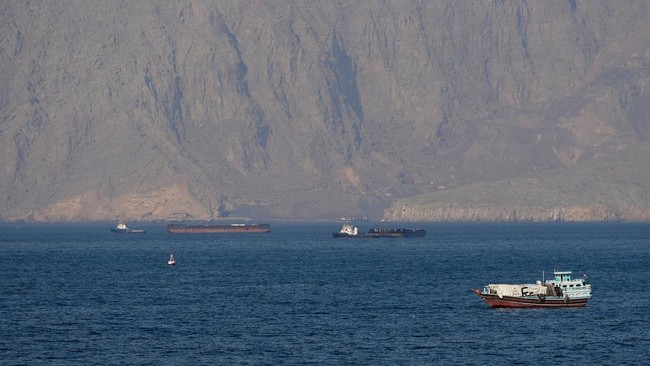
Iran is considered to have gained a new source of influence over the global economy after demonstrating its ability to disrupt energy traffic in the Strait of Hormuz, the shipping lane that is the lifeblood of the world oil trade. A number of analysts assess that Tehran’s influence over the strategic strait will last well beyond the ongoing conflict with the United States and Israel. “What Iran has shown is that they have the power to close the Strait of Hormuz and keep it closed, even amid massive US and Israeli bombardment. And that is something that can never be taken away from them,” said Eurasia Group Senior Analyst Gregory Brew. He even described that capability as a “new nuclear option” for Iran. Although the possibility of a deal between Washington and Tehran remains open, experts believe it will not automatically erase Iran’s new bargaining power in the energy sector. Before the conflict erupted, about a fifth of the world’s oil supply and global liquefied natural gas (LNG) transited the Strait of Hormuz, so any disruption in the area directly impacts international energy markets. The repercussions extend beyond energy. Security uncertainty in the Strait of Hormuz also threatens to disrupt supply chains for other critical commodities, ranging from fertiliser, jet fuel, and helium to aluminium. Efforts to diversify energy supply routes and reduce dependence on the Middle East are expected to raise costs for many nations. Iran itself has begun strengthening its control over the shipping lane. Last month, Tehran established the Persian Gulf Strait Authority (PGSA), tasked with overseeing new ship transit rules, including inspections and the possible imposition of fees on passing vessels. Meanwhile, the US has imposed sanctions on the PGSA and banned shipping companies from making deals with Iran to secure safe passage. Washington also threatens secondary sanctions against companies paying transit fees to Tehran. However, a number of oil traders and ship operators are reportedly still making deals with Iran to maintain increasingly tight global oil supplies. Wood Mackenzie Senior Vice President Alan Gelder stated that the market’s current priority is ensuring the flow of ships through the Strait of Hormuz returns to normal. “What’s important is that flows through the strait return in significant volumes. That will start to eliminate the energy shock,” he said. Wood Mackenzie warned that if the Strait of Hormuz remains closed until the end of the year, Brent crude oil prices could approach US$200 per barrel. According to Wood Mackenzie Chief Economist Peter Martin, such a condition could transform an energy shock into a global economic crisis. Gelder estimates transit costs of around US$2 million per tanker would only add about US$1 per barrel to the oil price. However, Rystad Energy geopolitical analyst Jorge Leon believes the impact could be larger. He assesses the market will impose a geopolitical risk premium of US$10-US$20 per barrel. “We believe Iran will maintain some sort of influence over the Strait of Hormuz going forward. The risk of further disruption in the strait is real,” Leon said, adding that oil prices are unlikely to return to early-year levels around US$60 per barrel, even by 2027. These concerns have spurred Gulf states to accelerate the construction of alternative export routes. Saudi Arabia and the United Arab Emirates have utilised pipeline networks bypassing the Strait of Hormuz, while Abu Dhabi is also developing an additional pipeline. However, for countries like Qatar, Kuwait, and Bahrain, such alternatives are deemed more expensive and complex, requiring multibillion-dollar cross-border infrastructure projects. Analysts nonetheless believe the Middle East will remain the centre of global energy supply for years to come. Consequently, Iran’s ability to threaten traffic in the Strait of Hormuz will continue to be a significant factor affecting global energy prices. “The global economy must acknowledge that reality. Ultimately, the security of Hormuz and the Persian Gulf will depend heavily on the actions and decisions made by Iran,” Brew concluded.