
Iran–Israel War Impact: Tegal Sarong Exports to Middle East and Africa Cancelled
The brutal and deadly strikes by Israel and the United States against Iran on Saturday, 28 February, sent shockwaves across the world.
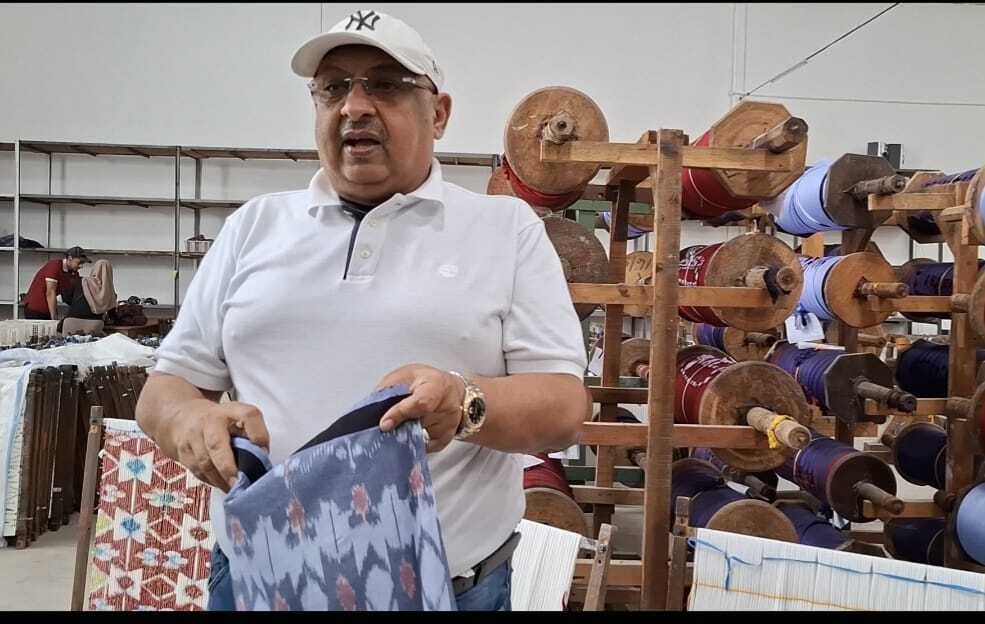
The conflict between the United States and Israel targeting Iran has had direct implications for the export sector in the regions. This is particularly evident in the handloom sarong industry in Tegal City, Central Java. Shipments and exports of sarongs to several countries in the Middle East and Africa have been delayed and even cancelled.
Tegal sarong entrepreneur Jamaludin Al Katiri reported that at least two containers containing approximately 50,000 sarongs have been cancelled for export. Shipments of sarongs scheduled to depart on Tuesday, 3 March and Saturday, 7 March were affected.
“Yes, sarong shipments to the Middle East have been delayed since Sunday. There are reports of shipment cancellations to all destination countries. So from yesterday there have been no shipments whatsoever from Indonesia to Africa or the Middle East,” Jamaludin told journalists at his sarong factory in Pacul Village, Talang District, Tegal Regency, on Monday, 2 March.
Jamaludin stated that the cancellation of sarongs under his Pohon Korma brand had resulted in substantial losses for his business. This came despite plans for two additional export shipments scheduled ahead of Eid al-Fitr 2026.
“The impact is very significant; we cannot do anything because this is beyond our control. It is not just Indonesia, but the entire world that is affected by this war. We can only exercise patience,” he said.
Whilst export cancellations have occurred, Jamaludin continued, demand from the domestic market has actually experienced a significant spike approaching Eid al-Fitr. Revenue increases have been felt since early February 2026. For instance, handloom sarong production for the local market during the Eid season can increase by up to three times compared to ordinary days.
“For exports, we can currently only meet approximately 30% of total demand. However, for the local market there is indeed a significant increase approaching Eid,” Jamaludin explained.
On the other hand, Jamaludin appreciated several companies in Tegal that chose locally produced sarongs as gifts for their employees. This has helped offset the global uncertainty.
Jamaludin also noted that the surge has also occurred in sales through online marketplaces. Whereas on ordinary days sales range from 20–50 pieces per day, in the past month pre-orders have reached more than 500 pieces per day with shipments to various provinces across Indonesia. The increase could reach 300% in the past month. However, marketplace sales do carry thinner profit margins.
According to Jamaludin, the price of handloom sarongs produced in Tegal ranges between Rp200,000 and Rp800,000 per piece, depending on the pattern and quality. Production costs amount to approximately 50% of the selling price.
“Specifically approaching Eid al-Fitr, the price of handloom sarongs will experience an increase of approximately 10–15% following high market demand. Typically the price increases during and after Eid,” Jamaludin explained.
He also affirmed his commitment to developing production capacity, including through workforce training and product quality improvements. “In several African countries, handloom sarongs from Tegal are not only used during religious celebrations, but have become everyday clothing for local communities,” he concluded.