
Iran–Israel–US Conflict Triggers People to Hold Back on Car Purchases, Stockpile Gold
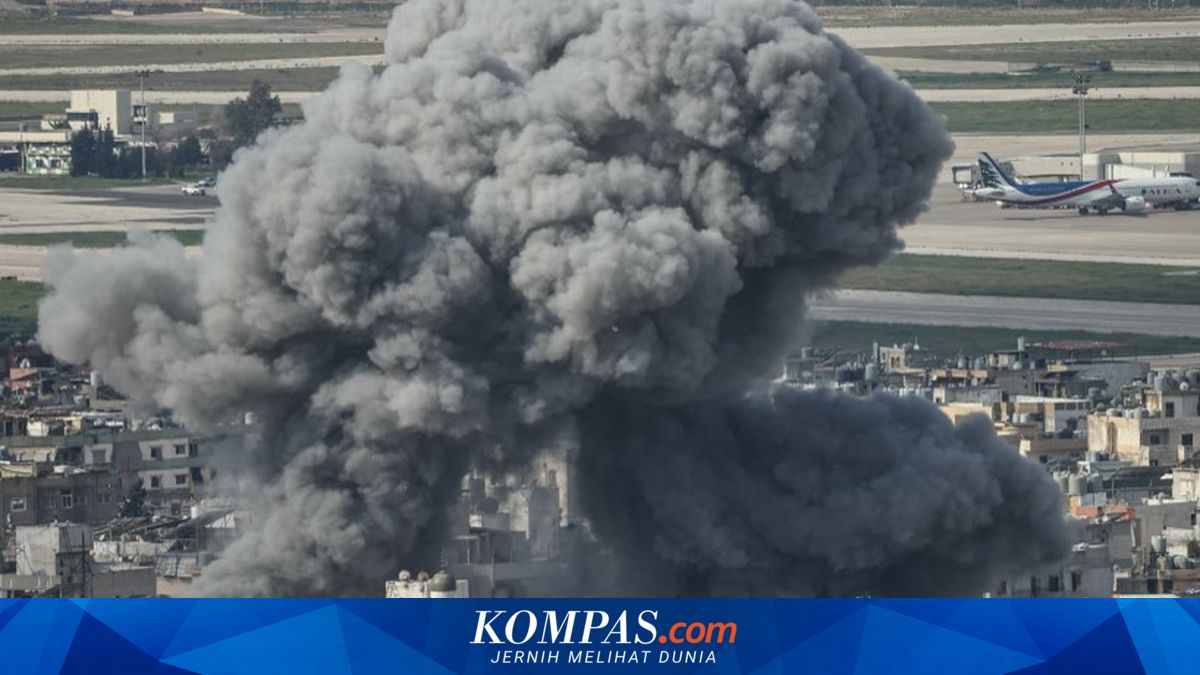
Jakarta — Global uncertainty caused by geopolitical conflicts, including the tensions between Iran and Israel and the United States, has led some people to hold back on big purchases such as cars. Josua Pardede, Chief Economist at Permata Bank, said that in an uncertain global economy, people tend to be more cautious with their spending. ‘When the global situation is uncertain, people tend to hold onto their money. Some even choose to buy gold,’ Pardede said at a Toyota Media Iftar event in Jakarta on Friday, 6 March 2026. Big-ticket car purchases are usually among the expenditures postponed when uncertainty rises.
He explained that the phenomenon is also linked to the squeeze on middle-class purchasing power in recent years. ‘Middle-class incomes have risen by around 3.5 per cent per year on average, while car prices have risen by around 5 to 7 per cent per year,’ he said. This imbalance makes consumers more rational in deciding on vehicle purchases. Whereas previously cars were often bought for status or prestige, today consumers are more mindful of their financial capacity.
On the other hand, he noted that domestic economic conditions are actually showing signs of improvement, though not yet fully recovered. Pardede likened the Indonesian economy to a car whose engine is already on but not yet fully accelerated. ‘The engine is running, but it hasn’t been pressed hard enough,’ he said. Inflation remains relatively well controlled, which helps maintain economic stability. As conditions improve, national car sales are expected to rise gradually.
He estimated that national car sales this year could reach around 821,000 to 825,000 units, up from last year’s realised figure of about 803,000 units. ‘The improvement may be gradual. It won’t accelerate quickly because we are still in a bend,’ Pardede said.