
Iran-Israel Tensions Escalate; IHSG Faces Correction with Four Stock Recommendations This Week
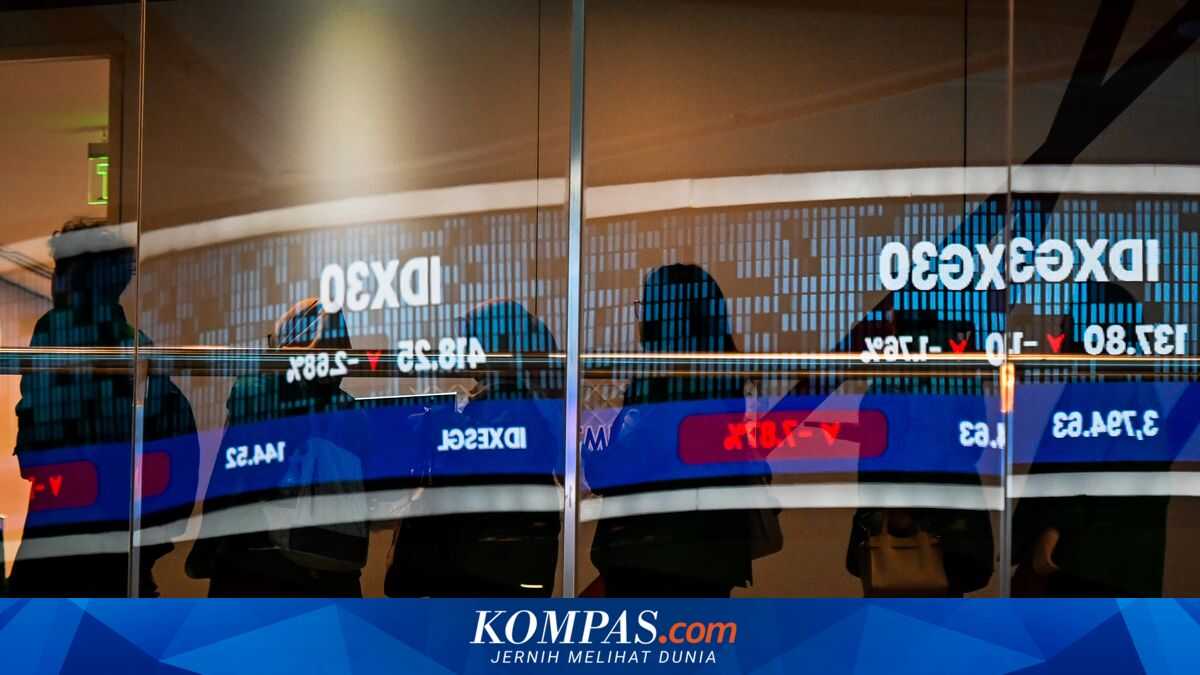
Jakarta — The Indonesian Composite Index (IHSG) declined 0.44 per cent, falling 36.28 points to 8,235 during the period of 23-27 February 2026. Global geopolitical tensions and shifts in United States economic policy have become primary factors influencing market sentiment whilst simultaneously increasing domestic risks.
Imam Gunadi, Equity Analyst at PT Indo Premier Securities (IPOT), stated that Middle Eastern tensions reached a critical juncture following the United States and Israel’s large-scale aerial bombardment of several strategic targets in Iran under Operation Epic Fury.
The strikes targeted military complexes and facilities suspected to be linked to Tehran’s missile and nuclear programmes. Reports indicate hundreds of casualties, including civilians, whilst Israeli authorities have suggested the possibility of the death of Iran’s Supreme Leader, Ayatollah Ali Khamenei, although independent confirmation remains unavailable.
Uncertainty has escalated further following Iran’s Islamic Revolutionary Guards Corps (IRGC) announcement of restrictions on access to the Strait of Hormuz, a maritime route facilitating approximately 20-25 per cent of global crude oil and LNG distribution daily. Disruption to this corridor risks destabilising global energy markets given the millions of barrels of oil traded daily and implications for global supply chains.
“Amid these mounting global uncertainties, United States economic policy has undergone significant changes this week,” Imam said.
Additionally, the US Supreme Court has invalidated most tariffs from the Trump era, citing that they exceeded legal authority. However, Trump has responded with plans to raise global import tariffs to 15 per cent.
The US Department of Commerce has also imposed anti-subsidy duties on solar panels from several countries, including Indonesia, ranging from 86 to 143.3 per cent.
Domestically, S&P Global Ratings has cautioned of intensifying fiscal pressures on Indonesia. The debt interest payment-to-government revenue ratio is estimated to have reached or could remain above 15 per cent, a critical indicator in assessing fiscal health.
Should this ratio remain elevated over the medium term, the risk of a credit rating downgrade remains open, despite the current stable outlook.
Imam assessed that the combination of geopolitical risks, US trade policy, and domestic fiscal pressures has created a cautious market environment.