
Iran is Holding the Upper Hand
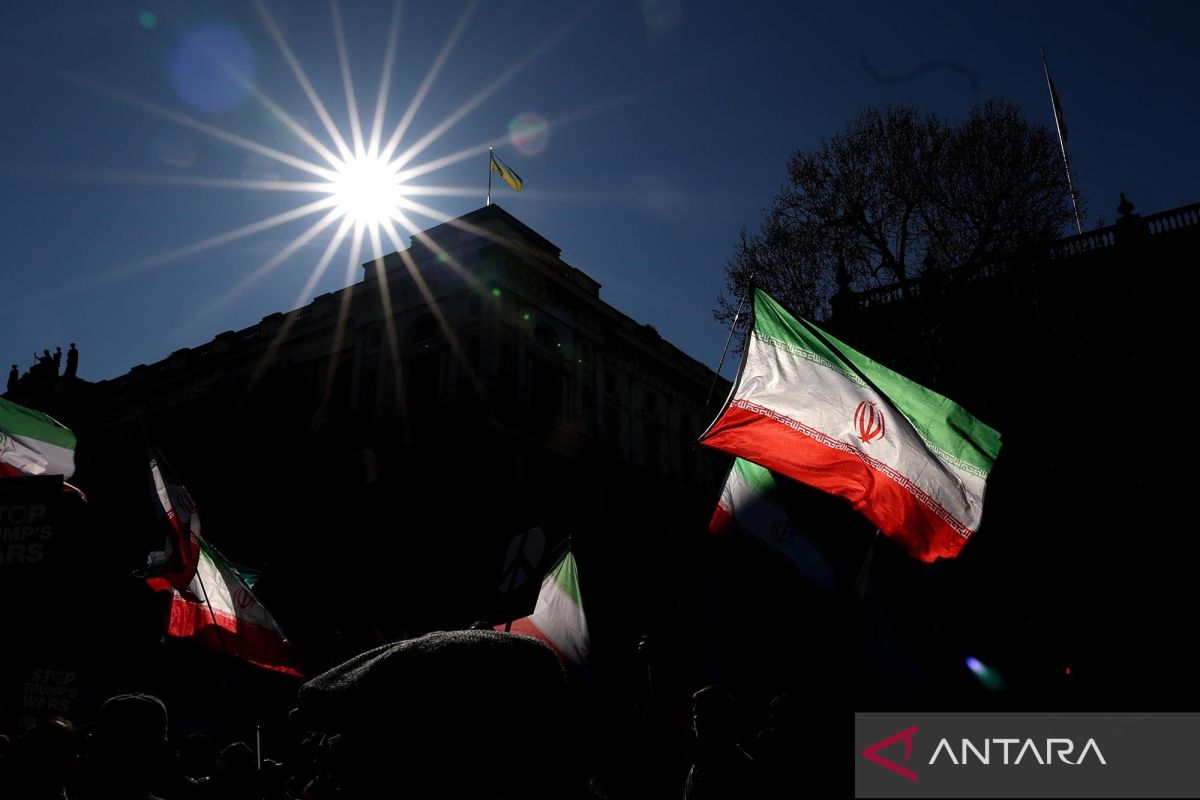
Every threat from Trump fails to intimidate Iran. On the contrary, it only strengthens the conviction that Trump lacks a clear plan for Iran, while simultaneously bolstering the belief that Iran holds the upper hand. Jakarta (ANTARA) - It has been almost a month since the United States (US) and Israel attacked Iran on 28 February 2026, and the war, described by Russia’s UN Ambassador Vasily Nebenzya as a “blitzkrieg,” has not ended as quickly as the US and Israel desired. A short war was desired by both US President Donald Trump and Israeli Prime Minister Benjamin Netanyahu. A protracted war would drain national energy and amount to political suicide for its architects, Trump and Netanyahu, both facing crucial elections critical to their political survival. The term blitzkrieg is widely known from the early days of the Second World War when Nazi Germany invaded Europe in a matter of days. But Trump’s version of blitzkrieg has failed completely. “The Iranian regime has not collapsed. The Iranian people have also not rebelled against their rulers,” Nebenzya stated on 14 March. Nebenzya is just one of many global figures who assess that Trump has miscalculated Iran’s capabilities. Four days after Nebenzya criticised the US-Israel blitzkrieg, the US newspaper The New York Times revealed a startling admission from US government officials that Trump had made a major miscalculation in estimating Iran’s ability to resist the US and Israel. Trump himself has been inconsistent. Initially, he said the war would last only three days, but lately he has claimed progress in negotiations to end the war with Iran. Trump, and also Netanyahu, believed that massive aerial bombardment would cripple Iran’s military and regime. They forgot that no regime has ever fallen solely due to air strikes. They hoped Iran would end up like Libya in 2011, when NATO bombings crippled Muammar Gaddafi’s regime and triggered internal rebellion. They were confident that by assassinating Iranian leaders from Ayatollah Ali Khamenei to National Security Council Secretary Ali Larijani, they had “cut off the head of the snake,” causing Iranian resistance to fade. They believed that Iranians dissatisfied with their government would take to the streets to topple the regime, just like in Libya in 2011. It turns out that did not happen, because Iran’s collective collegial leadership system is far more robust than Gaddafi’s one-man show government. Iran’s leadership system remains firmly intact despite continuous illegal attacks by the US and Israel, without global consensus from the UN forum and even without approval from their own parliaments.