
Iran Implements "Crypto Sea Toll" in Strait of Hormuz, Tanker Ships Pay Rp 32 Billion
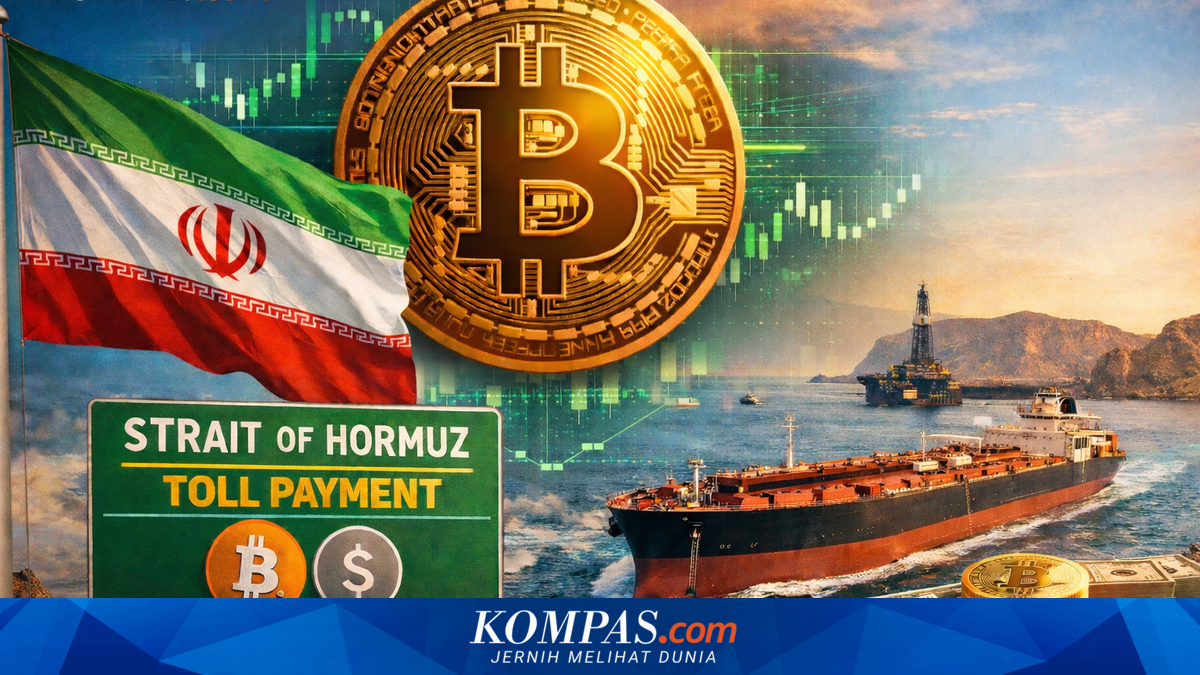
Amid rising global geopolitical tensions and suffocating international economic sanctions, the Iranian government has executed an unexpected financial manoeuvre. The country is reportedly mandating transit toll payments in cryptocurrency—specifically Bitcoin and stablecoins—for oil tankers wishing to cross the Strait of Hormuz. This step marks a new chapter in both the cryptocurrency and global shipping worlds. The rules implemented by Iran in one of the world’s most vital oil trade routes are highly specific and stringent. According to a Financial Times report, the Strait of Hormuz Route Management Act was actually passed by Iran’s parliament on 30 March 2026 and is now being fully implemented. Here are the details of Iran’s “crypto sea toll” mechanism: Tariff of $1 US per Barrel: Iran sets the tariff at $1 US for every barrel of crude oil transported. For context, a fully loaded supertanker (VLCC) can carry up to 2 million barrels of oil. This means the vessel must pay a transit fee of around $2 million US (approximately Rp 32 billion) in Bitcoin, as reported by Fortune and summarised by KompasTekno. Once approved, the ship’s crew is given only “a few seconds” to complete the Bitcoin transfer. The speed of this transaction is deliberately designed so that the funds cannot be traced or seized under international sanctions rules. Free for Empty Ships: This sky-high tariff rule applies only to loaded vessels. Empty tankers are permitted to pass through for free. Interestingly, Iran does not apply this tariff uniformly to all countries. The crypto toll system operates under a five-tier nationality ranking scheme. Ships from countries considered “friendly” by Tehran, such as China and India, are reportedly granted special discounted rates that are cheaper. Conversely, oil tankers indicated to have affiliations with the United States or Israel are strictly prohibited from passing through the route.