
Iran Holds Military Exercises, Affirms Security of Strait of Hormuz
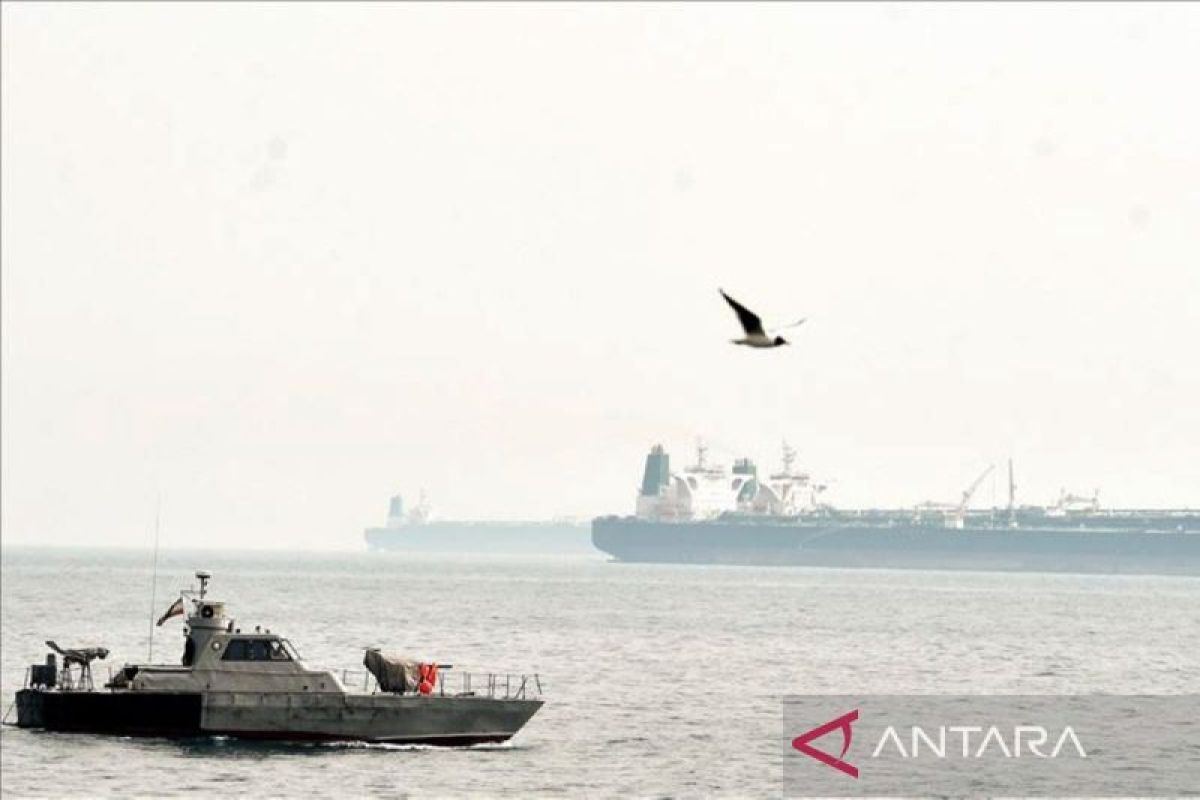
Tehran, Iran — Iran’s top naval commander has declared that the Islamic Revolutionary Guard Corps (IRGC) maintains “full 24-hour intelligence dominance” over the Strait of Hormuz, amid the conduct of military exercises in the strategic shipping lane on Monday.
IRGC Navy Chief Rear Admiral Alireza Tangsiri said surveillance was comprehensive, covering the sea surface, airspace and sub-surface domains, as quoted by Iranian state media.
He stated that the surveillance was aimed at ensuring safe passage through the Strait of Hormuz, which sees more than 80 oil tankers and container ships transit daily, making it one of the busiest maritime trade routes in the world.
According to Tangsiri, the military exercises were taking place in the Persian Gulf and the Strait of Hormuz, with islands in the region serving as “defence bastions” under the full responsibility of the IRGC Navy.
He explained that the drills were part of a routine annual programme, focusing on tactical manoeuvres and the use of certain equipment, some of which has not yet been disclosed to the public. “Swift and decisive response to maritime security threats is at the core of these exercises,” he said.
Tangsiri also stated that IRGC Navy rapid response units regularly train to conduct interventions, inspections and seizures of vessels deemed to be without authorisation in the waters of the Persian Gulf and the Strait of Hormuz.
Earlier on Monday morning, the IRGC announced the commencement of exercises dubbed “Intelligent Control of the Strait of Hormuz” under the supervision of IRGC Commander Major General Mohammad Pakpour.
The IRGC said the exercises were intended to test operational readiness, security scenarios and military responses to potential threats in the Strait of Hormuz region, whilst also evaluating Iran’s geopolitical position in the Persian Gulf and the Sea of Oman.
The drills are being held amid rising tensions between Iran and the United States, following the strengthening of the US military presence in the region.
US President Donald Trump announced on Friday plans to deploy a second aircraft carrier to the Middle East, supplementing the USS Abraham Lincoln and a number of destroyers already stationed there.
Nevertheless, Tehran and Washington are scheduled to continue indirect nuclear negotiations in Geneva on Tuesday, with Oman acting as mediator.
The diplomacy resumed after having been suspended for nearly eight months due to military escalation triggered by Israeli strikes against Iran.