
Iran Finally Launches Sejjil Missile; Warning Sirens Wail in Israel
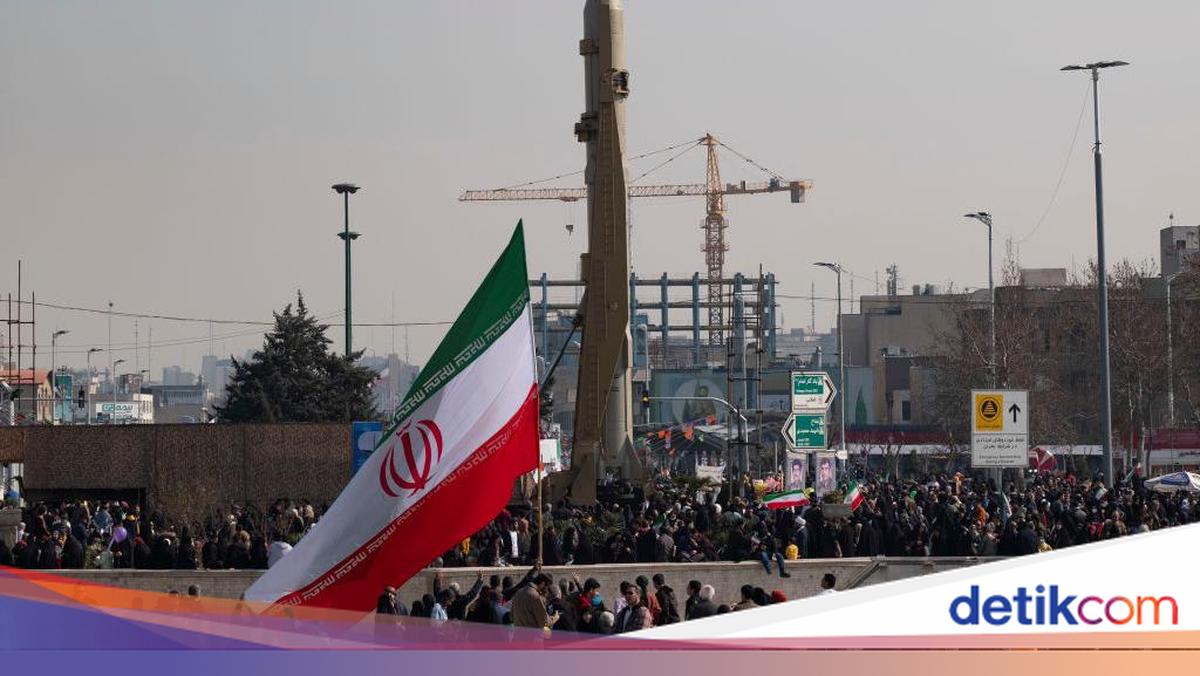
The Middle East conflict involving the war between Iran, the United States, and Israel continues to escalate. Most recently, Iran has reportedly launched its most advanced missile, the Sejjil, for the first time in response to US-Israeli attacks.
“For the first time in response to US-Israeli attacks, Iran launched the Sejjil missile,” reported Al Jazeera, as cited by detikNews on Monday, 16 March 2026.
According to Al Jazeera’s report, the Sejjil missile uses solid fuel, making it more difficult to detect and intercept in the air.
Confirmed by Iranian media outlet Press TV, the Sejjil missile was launched as part of the 54th wave of “True Promise 4” operations against Israeli and US targets.
The Islamic Revolutionary Guard Corps (IRGC), as reported by Press TV on Monday, 16 March 2026, announced on Sunday, 15 March (local time) that the retaliation operation was designated with the operational code “Ya Zahra.”
The IRGC stated that several missiles were deployed to retaliate against US-Israeli attacks, including the Khorramshahr, a super-heavy missile with dual warheads, as well as the Kheybar, Qadr, and Emad missiles.
The Sejjil missile was launched to strike Israeli command and control centres and critical military infrastructure.
In a post on X, the commander of the IRGC Air Force, Brigadier General Majid Mousavi, confirmed the launch of the Sejjil missile during the latest retaliation wave.
Meanwhile, several Israeli local media outlets reported air raid warning sirens sounding in the capital Tel Aviv, Herzliya, and at least 141 other locations across various regions of Israel.
For reference, according to NDTV reporting, the Sejjil is a solid-fuel, medium-range ballistic missile with a two-stage propulsion system, estimated to have a range of approximately 2,000 kilometres. The missile’s payload capacity reaches 700 kilogrammes.
Due to its manoeuvrability at altitude, the Sejjil has been dubbed the “dancing missile,” referring to its ability to evade air defence systems such as Israel’s Iron Dome.
According to the Centre for Strategic and International Studies (CSIS), the Sejjil is approximately 18 metres long, about 1.25 metres in diameter, and weighs approximately 23,600 kilogrammes. Its solid-fuel design, according to CSIS, offers strategic advantages by allowing the missile to be prepared and launched more quickly than other liquid-fuel systems.