
Iran Finalises Draft Peace Agreement with US, Says Most Issues Resolved
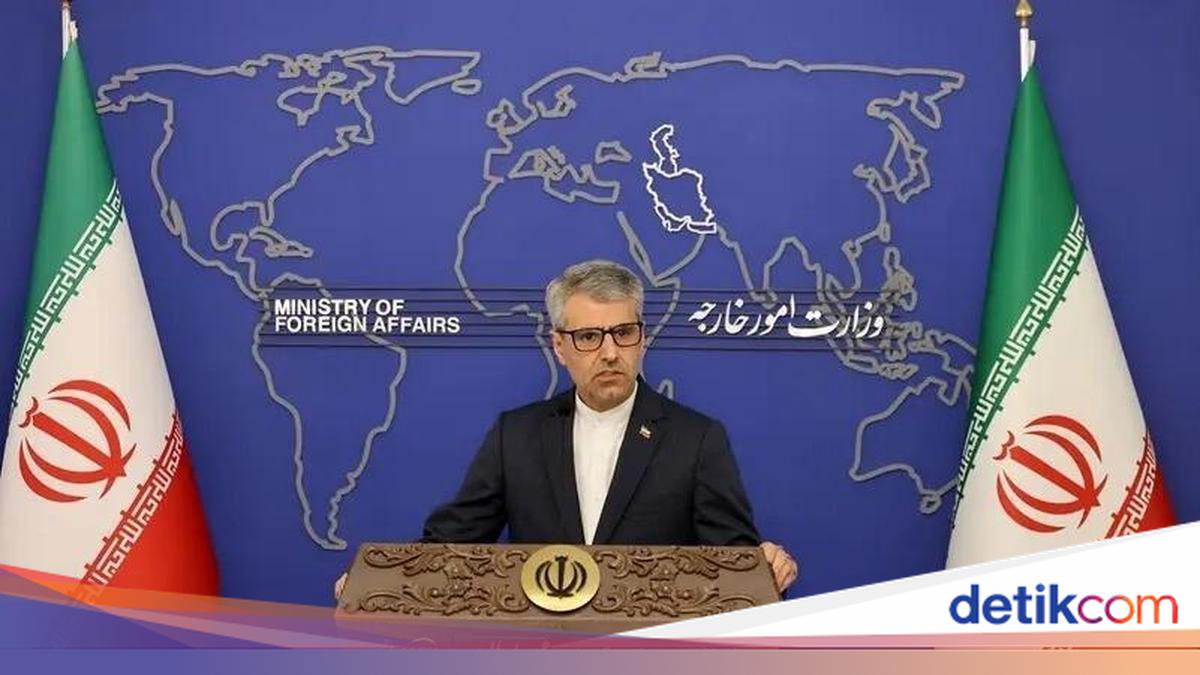
Iranian Foreign Ministry spokesperson Esmaeil Baghaei stated that Tehran has reached an understanding on the majority of issues discussed with the United States, and is now conducting a final internal review of the draft peace agreement. Speaking on state television, Baghaei said the remarks by Foreign Minister Abbas Araghchi that the draft Islamabad Memorandum of Understanding had “never been closer” accurately reflected the current state of negotiations. “At present, an understanding has been reached on most issues, and we are in the final stages of internal review,” Baghaei said. He added that meetings involving relevant Iranian institutions are underway to examine the draft text and determine Tehran’s final position. Baghaei argued that an agreement could have been reached several weeks ago, but accused the American side of repeatedly changing its stance, issuing contradictory statements, and introducing new demands that prolonged the process. He also rejected accusations that Iran lacked good faith in the negotiations, asserting that Tehran has consistently approached the talks in a constructive manner. The spokesperson declined to confirm media reports regarding the content of the negotiations, stating that the decision-making process requires consensus among relevant authorities and institutions before any agreement can be approved. The statement came hours after Foreign Minister Araghchi posted on the US social media platform X that the proposed Islamabad Memorandum of Understanding between Iran and the United States had “never been closer,” urging the media to refrain from speculation until the process is complete. The Pakistan-mediated negotiations focus on ending hostilities between Iran and the United States, reopening the Strait of Hormuz for maritime traffic, and reaching a consensus on Iran’s nuclear programme. Iranian officials have repeatedly stated that most of the text has been agreed upon, while accusing Washington of slowing progress through shifting positions and contradictory statements.