
Iran Eases Blockade, Iraqi Ships Free to Pass Through Strait of Hormuz
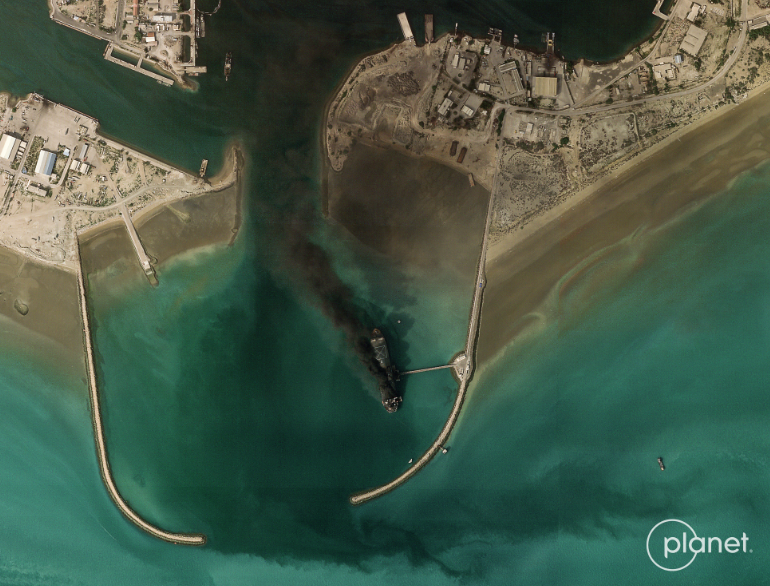
Iran has announced that ships from Iraq are now permitted to cross the Strait of Hormuz without hindrance. This policy serves as the latest signal of Tehran easing its control over this vital global energy distribution route.
In its official statement on Saturday (4/4), the Khatam al-Anbiya Central Headquarters affirmed that Iraq is exempt from all restrictions in the strait. Restrictions will only be imposed on countries deemed enemies.
“We greatly respect Iraq’s national sovereignty,” stated the Iranian military command, as quoted by Tasnim News Agency.
“You are a nation that has borne the wounds of American occupation, and your struggle against the US is worthy of praise and admiration,” it added.
This policy emerges amid pressure from US President Donald Trump, who has again urged Iran to reach an agreement or open access to the Strait of Hormuz.
In a social media post, Trump warned that great hell would occur within 48 hours if the demands are not met.
In response, the Khatam al-Anbiya Headquarters rejected the ultimatum and described Trump’s threats as powerless, nervous, unbalanced, and foolish.
Since the war between Iran and the United States and Israel that began on 28 February, Iran has effectively blockaded the Strait of Hormuz. This route typically carries about one-fifth of the world’s oil and liquefied natural gas supply.
In recent weeks, shipping activity has begun to show an increase, though still far below normal conditions.
The toll collection system imposed by Tehran allows some ships to pass, but traffic volume remains down more than 90% compared to usual levels, based on ship tracking data.
According to Lloyd’s List Intelligence, there were 53 transits through the strait last week, up from 36 the previous week.
On Friday, a French container ship and a Japanese tanker were reported to have successfully crossed the Strait of Hormuz. These are the first transits related to those countries since the conflict broke out.
Disruptions to this shipping route have had widespread impacts on the global energy market. Fuel prices have surged, while several countries have begun implementing emergency energy conservation policies.
The international benchmark Brent crude price has held above $109 per barrel in recent days. Some analysts predict prices will continue to rise if the Strait of Hormuz is not fully reopened soon.
On the other hand, Iraq’s oil production has been significantly affected by the conflict. Iraq’s Ministry of Oil reported that production has dropped to 1.2 million barrels per day from a previous 4.3 million barrels, due to limited storage capacity from halted exports through the strait.
For information, Iraq was the world’s sixth-largest oil producer in 2023, contributing about 4% to global supply, according to data from the US Energy Information Administration.