
Iran Controls 90% of the World's Most Expensive Spice Market, IDR 88.8 Million per Kilogram
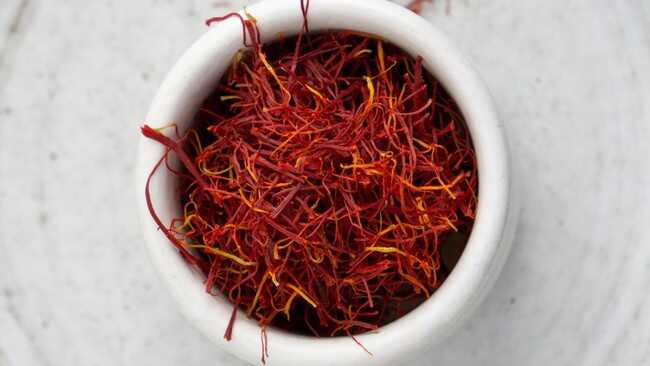
Iran is often featured on the global energy map. Yet in the food sector, the country possesses another strength that is rarely in the spotlight.
FAO data place Iran among the world’s leading producers of high-value commodities, ranging from saffron to premium pistachios.
Iran is the world’s largest saffron producer. This spice is recognised as one of the most expensive food ingredients globally. In addition, Iran is the second-largest pistachio producer. For dates, honey, and walnuts, the country ranks among the top three or four producers worldwide.
Saffron originates from the Crocus sativus flower, known as the saffron crocus, and has been used since ancient times. Saffron is often described as the most expensive spice in the world because its production is so intricate. In a single year the harvest lasts only three weeks, and it can take as many as 80,000 flowers to yield one pound of dried saffron.
Iran dominates the market, controlling around 90% of world production, while demand continues to rise in Europe, the Middle East, and the United States. Not surprisingly, its value often exceeds that of precious metals.
Meanwhile pistachios fetch high prices due to labour intensity. According to the same report, pistachio harvesting is still done manually, with prices of US$3–7 per 100 grams, or around IDR 117,000 per gram, or IDR 1.17 million per kilogram.
This production power drives Iran to be active in food export markets. According to FAO, Iran ranks second in the world for exports of raisins and eggplants. The country also sits in third place in export rankings for watermelons and gooseberries.
Other horticultural commodities further strengthen Iran’s position on the global food map. Productions of sour cherries, almonds, walnuts, apples, apricots, and aubergines place the country among the world’s top five producers. This diversity broadens Iran’s agricultural export base.
The agricultural sector also boasts large production volumes. FAO records Iran’s wheat production at around 15 million tonnes in 2020, placing Iran 12th among the world’s wheat producers. For tea, Iran sits in a similar position with production exceeding 84,000 tonnes.
Other commodities add to the scale of the sector. Iran ranks 13th in barley production, 18th in olive production, and 19th in pear and tomato production globally.
This production capacity is supported by diverse geography. Iran has regions with different climates that support the production of wheat, rice, fruits, vegetables, and livestock. This agricultural structure provides domestic supply and creates rural employment.
In recent years the Iranian government has accelerated modernisation of the sector. Investment is directed at farming machinery, production technology, and more efficient water management systems. Developments in irrigation, mechanisation, and precision agriculture are driving productivity gains.
Other measures focus on land management, greenhouse development, and environmental protection in cultivation practices. These policies strengthen the competitiveness of Iran’s agricultural sector and boost its contribution to non-oil export earnings.