
Iran Conflict Triggers Oil Supply Concerns; Trump Administration Deemed Miscalculating
When Donald Trump was considering military action against Iran on 18 February, US Energy Secretary Chris Wright assessed that the conflict would not disrupt Middle Eastern oil supplies or cause major upheaval in global energy markets.
In an interview, Wright stated that previous experience showed the impact of conflict on oil markets tended to be limited. Even when Israel and the United States attacked Iran in June, he said the market experienced no significant disruption.
“Oil prices rose temporarily and then fell again,” Wright was quoted as saying by the New York Times on Thursday, 12 March.
Several Trump advisers shared similar personal views, dismissing warnings that Iran could wage economic warfare by closing critical global shipping lanes as unlikely.
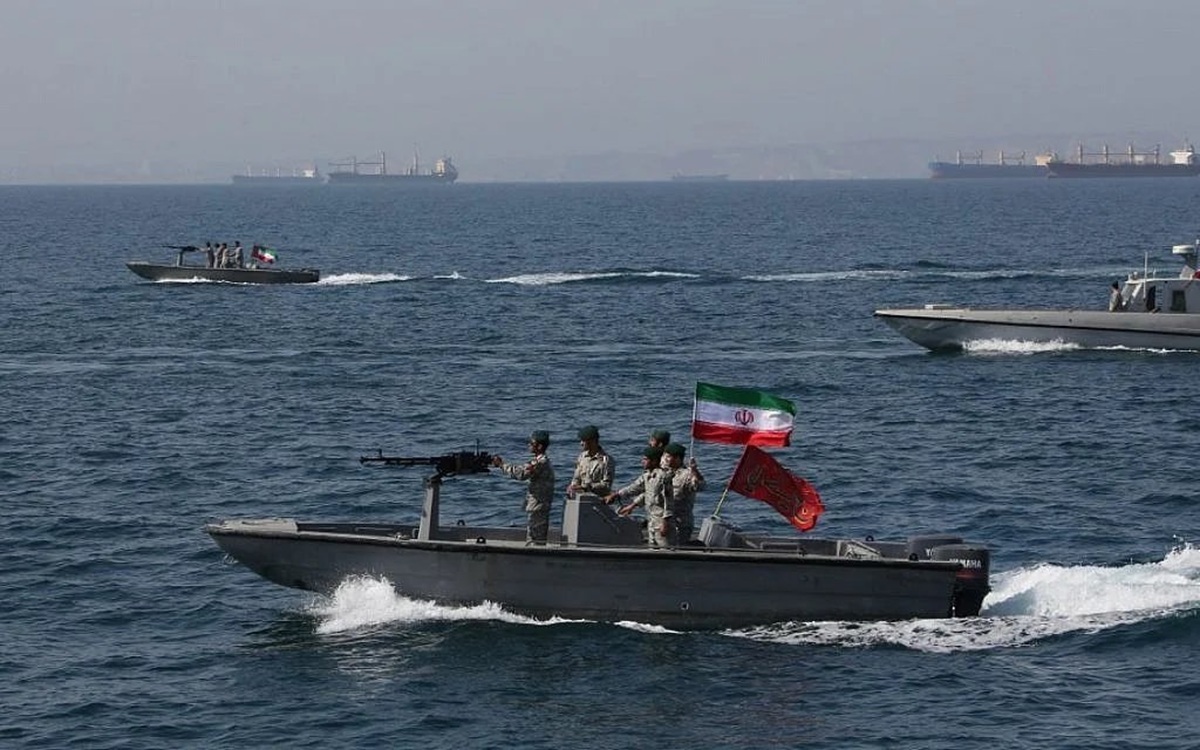
However, recent developments have proved these assessments premature. Iran has threatened to attack commercial oil tankers transiting the Strait of Hormuz, a strategic waterway serving as the primary exit route for vessels from the Persian Gulf.
The threat immediately impacted shipping activity in the Gulf region. Commercial shipments halted, oil prices surged, and the Trump administration had to seek ways to mitigate the economic effects felt domestically, including rising petrol prices for Americans.
This development is viewed as an example of Washington’s failure to accurately read Tehran’s response. The Iranian government views the conflict as a threat to its very existence.
Unlike the 12-day conflict in June, Iran has responded this time with more aggressive measures. Tehran launched a barrage of missiles and drones at US military bases, Arab cities in the Middle East, and populated centres in Israel.
This situation forced US officials to hastily adjust their plans, from rapid embassy evacuations to devising policies to contain fuel price increases.
After Trump administration officials gave closed briefings to parliamentary members, Senator Christopher S. Murphy from Connecticut criticised the lack of clear strategy regarding the Strait of Hormuz situation.
He wrote on social media that the government lacked adequate plans to manage the crisis, saying it did not know how to safely reopen the strait.
Within the government itself, some officials reportedly grew pessimistic about the lack of clear strategy to end the conflict. However, they were cautious in directly conveying these views to the president, who repeatedly stated that military operations were proceeding successfully.
Trump is said to have set maximalist objectives, including demanding that Iran appoint leaders willing to submit to American authority.
Meanwhile, Foreign Secretary Marco Rubio and Defence Secretary Pete Hegseth outlined narrower, more tactical objectives as a more realistic near-term exit pathway. White House Press Secretary Karoline Leavitt asserted the government had a plan before the war began.
“Deliberate disruptions to the oil market by the Iranian regime are short-term, and necessary for long-term advantage in eliminating this terrorist threat and the threats they pose to America and the world,” she said.
Defence Secretary Hegseth acknowledged Iran’s forceful response to neighbouring countries somewhat surprised the Pentagon. “I cannot say we anticipated exactly how they would react, but we knew it was a possibility,” Hegseth said at a Pentagon press conference.
“I think it is a demonstration of desperation by that regime,” he added.
Trump himself showed frustration over the war’s impact on energy supplies. In an interview with Fox News, he urged oil tankers to continue sailing through the Strait of Hormuz, saying tanker crews should demonstrate courage.
Several military advisers had previously warned that Iran would likely respond with an aggressive campaign if attacked. However, some other advisers believed that killing senior Iranian leaders could pave the way for more pragmatic leadership.
When briefed on the risk of oil price increases from the war, Trump acknowledged the possibility but viewed it as a short-term effect. He then asked Energy Secretary Chris Wright and Treasury Secretary Scott Bessent to prepare options to address energy price spikes.
However, these options were not immediately announced publicly. They include a US government-backed political risk insurance scheme and possible US Navy escort for vessels.
More than 48 hours after the conflict began, these measures had not been fully implemented.
Markets were briefly unsettled when Wright posted on social media that the US Navy had successfully escorted an oil tanker through the Strait of Hormuz. The post calmed oil markets and boosted equities. However, after the post was deleted because the government stated the escort had not yet occurred, markets became volatile again.
According to a US official, efforts to continue oil shipments were further complicated by intelligence reports that Iran was preparing to lay mines in the strait. The US military subsequently attacked 16 Iranian vessels suspected of preparing mines around the Strait of Hormuz.
Rising global oil prices have begun causing political concern in Washington. Several Republican party members worry that energy price increases could undermine their economic agenda ahead of the midterm elections.
Trump stated that oil production from Venezuela could help stabilise markets if supply disruptions occur.