
Iran Conflict: Middle Eastern Stock Exchanges That Close and Remain Open
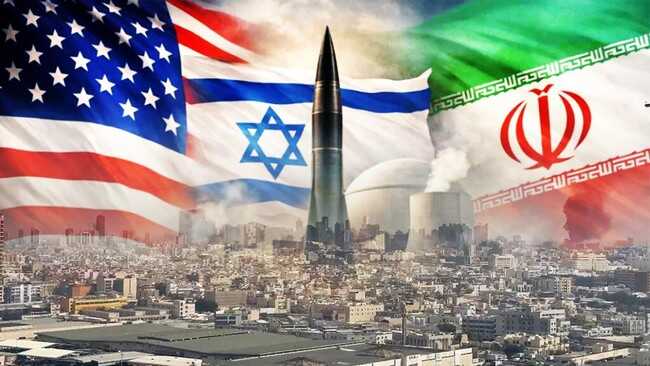
Jakarta, CNBC Indonesia - Escalation of geopolitical conflict between Iran, the United States, and Israel intensifying in the Middle East region has forced several securities market authorities to take drastic steps.
This highly dynamic and unpredictable security situation is prompting authorities in several countries in the region to undertake measured risk mitigation. One concrete step taken has been the temporary closure of stock trading activities at the beginning of this week.
The decision is specifically intended to dampen potential market panic, limit irrational volatility, and generally protect the stability of domestic financial systems from the spillover of negative sentiment.
Anticipatory Measures by Gulf and Iranian Exchanges
Referring to official announcements from each securities market authority, the United Arab Emirates (UAE) and Kuwait have become pioneers among Gulf countries responding to military tensions by halting transactions.
UAE securities authorities have formally closed the Abu Dhabi Securities Exchange (ADX) and Dubai Financial Market (DFM) for two full days, namely today, Monday (2/3/2026), and Tuesday (3/3/2026). This step is described as a precautionary measure to protect securities market infrastructure.
On the other hand, Kuwait has taken a more stringent approach by suspending all transactions on the Kuwait Stock Exchange indefinitely, based on the latest data.
Meanwhile, at the epicentre of the conflict, Iran’s Tehran Stock Exchange authorities have also decided to close trading completely for at least the following week to prevent massive capital flight and preserve the stability of domestic asset values.
Operational Status of Regional Stock Exchanges
Although some countries have chosen to halt trading in emergency fashion for financial security reasons, several other stock exchanges positioned close to the conflict epicentre have instead chosen to operate normally.
Authorities in these countries are allowing market mechanisms to function to absorb and discount existing geopolitical risk directly into stock valuations.
Countries with large market capitalisation such as Saudi Arabia through the Tadawul exchange and Israel through the Tel Aviv Stock Exchange are observed not conducting trading halts and continue to facilitate transactions for domestic and foreign investors according to regular schedules. The decision to remain open may change as time progresses given the very high volatility in markets caused by the war.