
Iran Conflict: Impact of Black Rain and Heavy Metal Pollution in Tehran for Decades
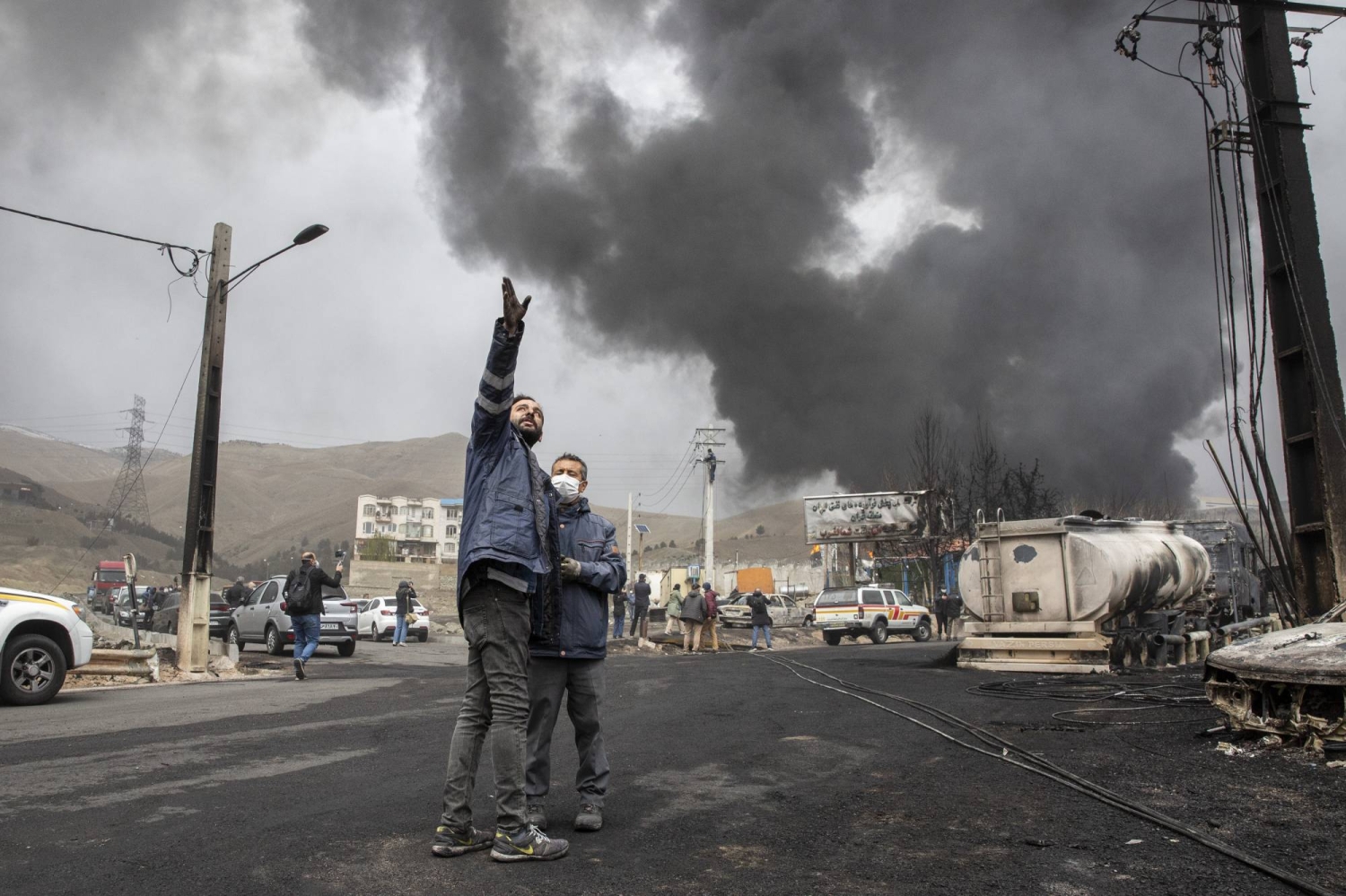
Tehran’s sky is no longer merely grey from industrial pollution; it now showers ‘black rain’ carrying hidden messages of death. Israeli drone strikes against oil depots and refineries on the outskirts of Iran’s capital on 8 March have triggered an environmental disaster predicted to last for decades to come.
Nejat Rahmanian, a chemical engineering professor from the University of Bradford, recalls bitter memories from 35 years ago when the Gulf War raged. At that time, Iraqi forces’ burning of Kuwaiti oil fields sent soot and sulphur dioxide as far as the Himalayan Mountains. Now, a similar catastrophe haunts the 18.5 million inhabitants of metropolitan Tehran, but with far more intimate and deadly threats as the explosion sites are right at their doorstep.
Experts warn that the mixture of hydrocarbons, heavy metals, and sulphur dioxide released into the atmosphere has merged with rain clouds. The result is acidic precipitation capable of causing chemical burns on the skin and permanent lung damage.
“The combination of catastrophic oil fires with rainfall makes these pollutants far more dangerous to human health because they are more easily absorbed by the nervous system and blood,” said Dimitris Kaskaoutis, a physicist from the National Observatory of Athens.
Tensions escalated when health warnings from the World Health Organisation (WHO) to remain indoors clashed with Iranian government calls for citizens to take to the streets for political rallies. For residents with resources, fleeing to northern regions became the only rational choice to escape air that felt heavy and toxic.
Since the military campaign began on 28 February, internet and telephone blackouts in Iran have complicated accurate pollution data collection. However, the non-profit Conflict and Environment Observatory (CEOBS) has identified over 300 incidents posing environmental risks since the conflict erupted.
Tehran’s valley, hemmed in by the Alborz Mountains, has worsened the situation through a thermal inversion phenomenon, where pollutants become trapped and cannot disperse. Without expensive and complicated cleanup efforts, heavy metal residues such as lead, cadmium, and nickel will continue to settle in soil and water, creating long-term health crises for vulnerable populations, especially children and pregnant women.
Now, amid the roar of war machines, scientists can only monitor from afar, documenting damage for future accountability, whilst hoping that nuclear facilities and desalination plants in the region do not become the next targets that would trigger an ecological apocalypse in the Middle East.