
Iran Conflict Drains US Missile Stocks as Washington Seeks Tungsten to Reduce China Dependence
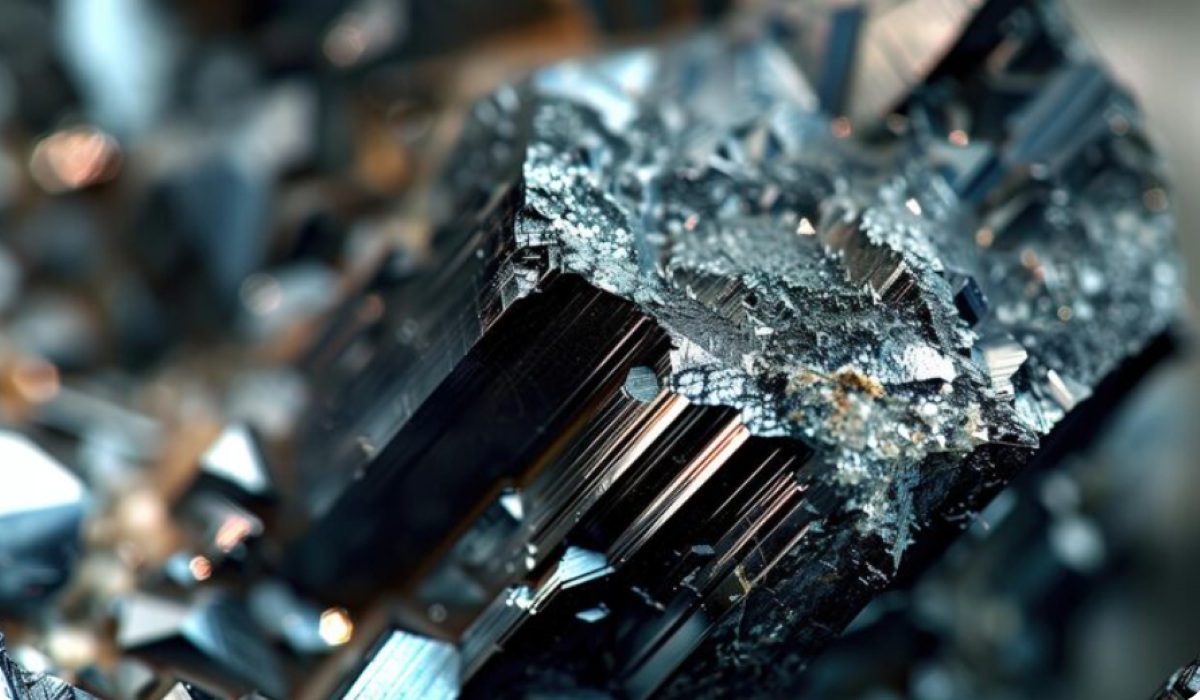
US involvement in armed conflict with Iran has significantly depleted its advanced weaponry stockpiles. Tomahawk, Patriot, and Precision Strike Missiles are reportedly running low, causing deep concern in Washington.
To replenish these weapons, the US is now trapped in dependence on a critical metal: tungsten. However, tungsten production is dominated by its main rival, China.
Tungsten is an irreplaceable component in the defence industry. The metal is used in fighter jets, bunker-busting bombs, armour-piercing ammunition, and missile systems.
The US has not had any active commercial tungsten mines since 2015. This has forced the Trump administration to aggressively seek alternative sources to break the supply chain from Beijing.
One bright spot in this search is in the eastern mountains of South Korea. The Sangdong mine, owned by US-based Almonty Industries, was recently reopened in March after being closed for over 30 years due to price competition from China.
“There are only a few large-scale tungsten mines on the planet,” said Lewis Black, CEO of Almonty Industries. He emphasised that tungsten is not just a “war metal” but also the “backbone” of modern technology sectors, from semiconductors to smartphone batteries.
For decades, China has dominated over 80% of global tungsten supply thanks to government subsidies, low labour costs, and lax environmental regulations. Conversely, tungsten extraction is notoriously difficult and produces hazardous waste, something the US domestic industry has long avoided.
“People in America don’t want to do that (dirty mining), while China is very willing to do it at low cost,” said retired Colonel Steve Warren, former Pentagon spokesperson.
This dependency has become a weapon for Beijing. Last year, during the trade war, China imposed export controls on critical minerals including tungsten, causing prices to surge to record highs.
In response to this threat, the Trump administration launched a $12 billion critical minerals reserve in February 2026. Despite rapid diversification efforts, Lewis Black estimates the West will need at least a decade to significantly challenge China’s dominance and possibly 20 to 30 years to achieve full independence. “The question is, what will we do during the transition?” he added. (NBC/I-2)