
Iran Condemns US Blockade, Strait of Hormuz Threatened with Escalation
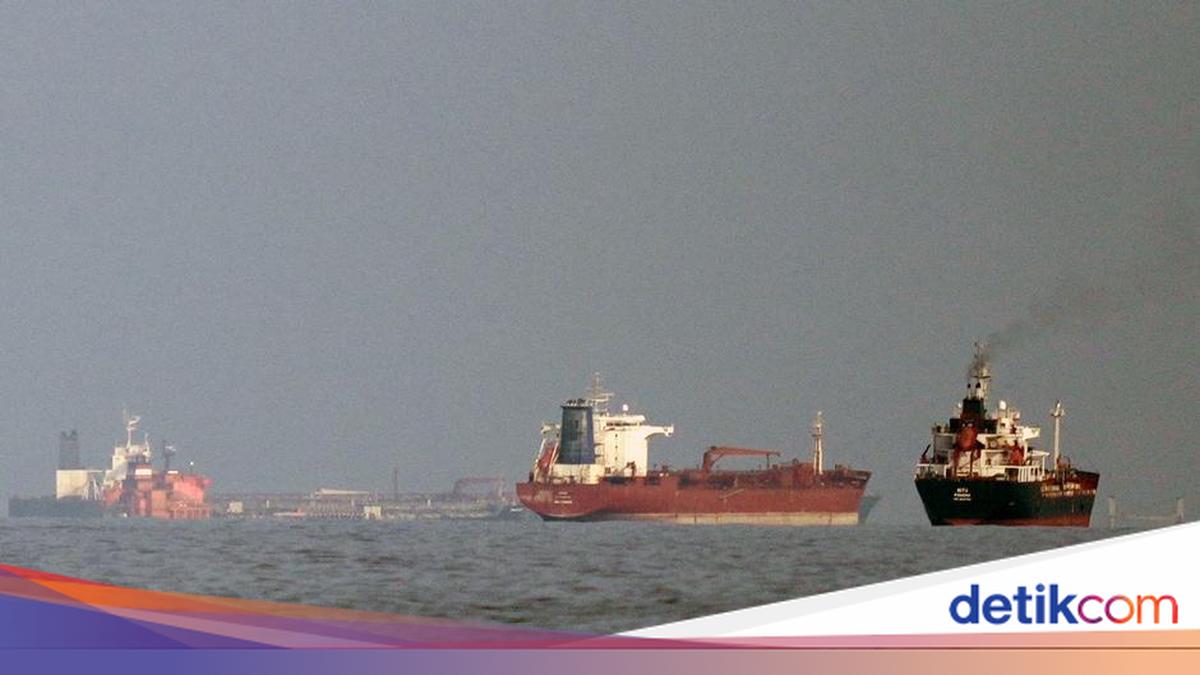
Iran has condemned the blockade imposed by the United States on its ports, describing the measure as a serious violation of the country’s sovereignty and international law.
Iran’s Ambassador to the United Nations, Amir Saeid Iravani, described the blockade, which took effect on Monday (13/04), as a grave violation of Iran’s sovereignty.
In a letter to UN Secretary-General Antonio Guterres, seen by AFP news agency, Iravani stated that the blockade constitutes a “grave violation of Iran’s sovereignty” that “poses a serious threat to international peace.”
He also assessed the US action as violating international maritime law. According to Iravani, the blockade is a “serious violation of the fundamental principles of international law on the seas.”
Iran had previously warned that the security of ports in the Persian Gulf and Gulf of Oman regions would not be guaranteed if military pressure on the country continues.
Tensions have escalated following the failure of peace talks between the United States and Iran in Pakistan over the weekend to produce an agreement to end the conflict.
US forces Iran to reopen Strait of Hormuz
The US military has begun enforcing a blockade on ships from all countries heading to or leaving Iranian ports and coastal areas in the Persian Gulf and Gulf of Oman.
US President Donald Trump stated that the measure aims to force Iran to reopen the Strait of Hormuz, a strategic route that normally carries about one-fifth of the world’s oil and gas trade.
“We cannot allow a single country to hold the world to ransom,” Trump said when announcing the blockade at the White House.
Trump also warned that Iranian warships approaching the blockade area would be destroyed. He said any Iranian vessel that approaches would be “immediately eliminated.”
According to US military officials, the blockade will be enforced against ships from all countries attempting to enter or leave Iranian ports. This step was taken after peace talks between Washington and Tehran failed to reach an agreement over the weekend.
Threats to ceasefire and global energy markets
The blockade was imposed despite the United States and Iran having previously agreed to a two-week ceasefire, scheduled to end on 22 April.
Washington’s move has raised concerns that the ceasefire agreement could collapse and fighting could resume in the region. Iran has responded with threats against all ports in the Persian Gulf and Gulf of Oman, increasing the risk of a broader regional conflict.
Tensions around the Strait of Hormuz also have a direct impact on the global economy. The strait is a vital route for world energy trade, with about one-fifth of global oil and gas supplies passing through it.
Disruptions to this route since the war began on 28 February have driven a surge in global energy prices. However, in Tuesday’s trading, oil prices dipped slightly below $100 per barrel due to hopes that Washington and Tehran might still open new dialogue to end the conflict.
Analysts warn that the situation remains fragile. Any military escalation or shipping disruption in the Strait of Hormuz could potentially drive another surge in energy prices and pressure the global economy.
The Strait of Hormuz is the world’s most important energy route, with about one-fifth of global oil supplies passing through its narrow waters every day. Disruptions to this route could shake energy markets and international trade.