
Iran Closes the Hormuz Strait, Oil Prices Forecast to Reach US$200
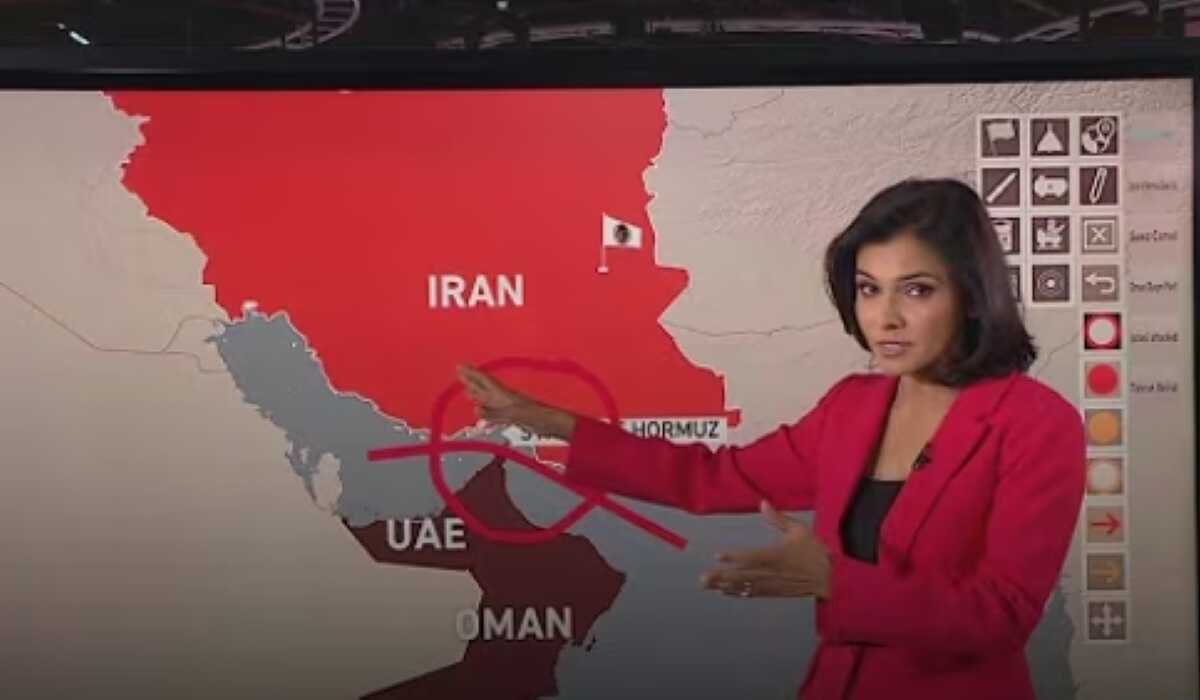
Indonesia will redirect a portion of its crude oil imports to the United States. Tensions in the Middle East have risen to a new high in 2026, after Ibrahim Jabari, adviser to the commander of the Islamic Revolutionary Guard Corps (IRGC), formally announced the closure of the Hormuz Strait to all maritime traffic on Tuesday, 3 March. This drastic step is described as a response to the escalating military confrontation between Iran, the United States and Israel. ‘The United States is greedy for oil. Let them know that we have closed Hormuz and will not permit ships to pass,’ Jabari was quoted by ISNA. Jabari warned that any vessel attempting to breach the blockade would be targeted by Iran’s forces. He predicted that the closure of this vital shipping lane would trigger a shock to global energy markets. The world price of crude oil is expected to surge to US$200 per barrel. This figure is seen as likely to present serious challenges for the domestic economic stability of the United States, which relies on energy price stability. The Hormuz Strait is a strategic channel linking the Persian Gulf with the Gulf of Oman and the Arabian Sea. Geographically, the northern coast of the strait is controlled by Iran, while the southern coast is owned by the United Arab Emirates and Oman. The strait is a major transit route for crude oil and liquefied natural gas (LNG). The closure’s impact has been felt directly in maritime logistics. An Al Jazeera report citing Iraqi port sources said shipping costs to Iraq had risen by as much as 60 percent. The rise is driven by a surge in insurance premiums due to the risk of armed conflict. Field conditions show a paralysed shipping activity. Seven oil tankers were reported held in Iraqi waters awaiting confirmation of the strait’s opening. Meanwhile, Iraq’s largest port, Um Qasr, was reported to be quiet with no ships berthed. Before the closure announcement, the IRGC conducted a series of aggressive military actions. On Sunday, 1 March, Iran claimed to have launched missile strikes on three tankers belonging to the United States and the United Kingdom in the Persian Gulf region. The action continued on Monday, 2 March. One U.S. tanker again came under attack from two Iranian drones in the Hormuz Strait. Iran says these attacks are direct retaliation for US and Israeli aggression that previously targeted civilian and military facilities in Tehran. As of this reporting, the situation in the Hormuz Strait remains tense with close monitoring by the IRGC’s naval forces, while the international community voices concern about a protracted global energy crisis. (Sputnik/RIA Novosti/Ant/I-2) Iran denies Donald Trump’s claims regarding long-range missile development and nuclear ambitions. According to Bloomberg, Brent crude futures closed up 28 cents, or 0.4%, at US$72.56 per barrel.