
Iran Closes Strait of Hormuz: Here's the Impact on Indonesia
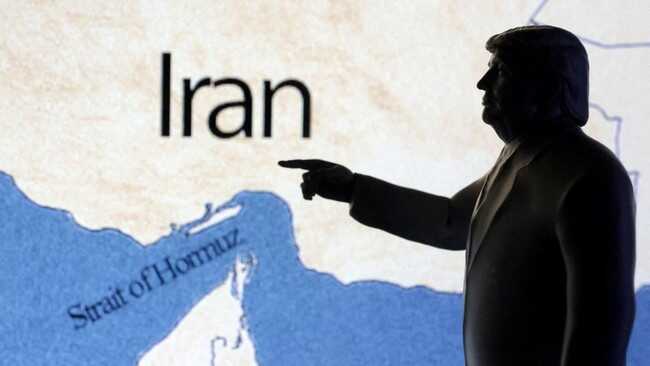
Iran’s decision to close the Strait of Hormuz is expected to have serious repercussions on both global and domestic economies.
The policy was implemented in response to the death of Iran’s Supreme Leader, Ayatollah Ali Khamenei, amid escalating conflict involving the United States and Israel in recent days.
Bhima Yudhistira, Executive Director of the Center of Economic and Law Studies (CELIOS), projects that global crude oil prices could surge to USD 100-120 per barrel. Currently, oil prices have already risen approximately 13.4% over the past month, with the rally expected to continue.
“The disruption of the Strait of Hormuz will affect 20% of global oil supplies,” Bhima told CNBC Indonesia on Monday (2 March 2026).
According to Bhima, the situation is worsened by increased security risks in the conflict zone, including refusals to issue insurance for logistics vessels transiting the area. This risks hampering distribution and complicating the oil import process for many countries, including Indonesia.
As a net oil importer, Indonesia faces significant fiscal consequences. In the 2026 state budget simulation, each USD 1 increase in oil prices above the budget assumption can add approximately Rp10.3 trillion to state spending. This means if oil reaches USD 100-120 per barrel, state spending could increase by up to Rp515 trillion in 2026. This includes not only fuel subsidies, but also compensation to Pertamina and electricity subsidies.
“There is a direct double burden on the state budget. The situation is worsened by investor concerns over flight to quality, causing rupiah weakness,” said Bhima.
He also noted that the food sector is vulnerable, particularly items sensitive to exchange rate fluctuations and supply chain disruptions, such as soybean, wheat, and meat. Imported inflation from oil and food will create a downward spiral in consumer purchasing power.
“The public is clearly unprepared for excessive fuel and volatile food price increases. If the conflict continues and escalates, many developing countries could fall into economic crisis,” he said.
Separately, oil and gas practitioner Hadi Ismoyo argues that the latest Middle Eastern conflict is far more serious than previous tensions. The death of Supreme Leader Ayatollah Ali Khamenei marks a turning point for escalating tensions, including the closure of the Strait of Hormuz.
“This means 20% of global oil supplies will disappear, and 30% of global LNG supplies will vanish from the market. Commodity prices for oil and LNG will rise significantly,” he said.
He projected conditions would continue to deteriorate. Since Imam Khamenei was not only the Supreme Leader determining strategic policy, but also the High Leader amongst the Shia clergy deeply revered by his followers, the situation carries potential for severe retaliation.
“This will awaken winged vengeance like the death of Imam Hussein at the Plains of Karbala, with the US and Israel killing him in a cruel manner,” he said.