
Iran Closes Strait of Hormuz Again, Global Oil Supply at Risk?
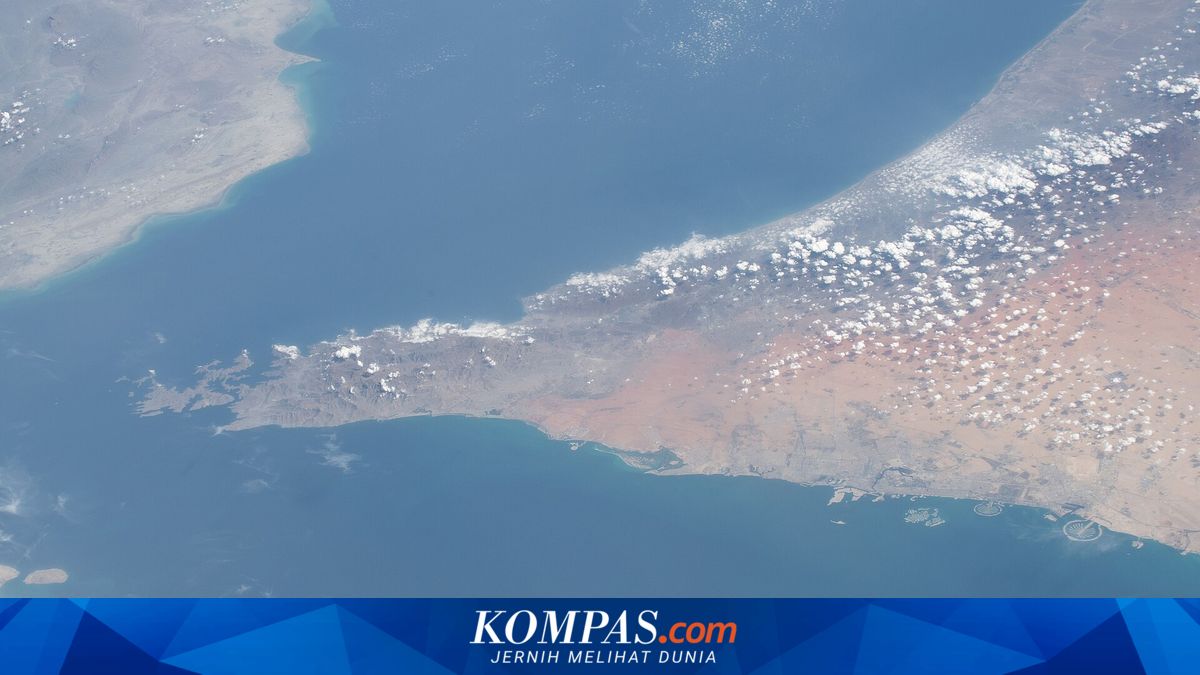
Geopolitical tensions in the Middle East have entered a critical phase following Iran’s re-closure of the Strait of Hormuz on Saturday (18/4/2026). This decision was taken in response to the United States’ (US) blockade of Iranian ports, which remains in place. According to a report by Al Jazeera, cited on Sunday (19/4/2026), the Iranian government stated that the closure is a retaliatory measure against US policies deemed to hinder Iran’s maritime trade. This re-closure occurred less than 24 hours after Iran had briefly reopened the route, reflecting the rapid and unstable dynamics of the ongoing conflict. Iran asserts that the action is not without reason. The Iranian government describes the US blockade as a form of economic pressure and a violation of international trade rights. This statement reinforces Iran’s position of using the Strait of Hormuz as a bargaining tool in the broader geopolitical conflict. Moreover, this step marks a further escalation of the conflict that has been ongoing since early 2026. The Strait of Hormuz plays a vital role in the global energy system. This route serves as the main link between oil-producing countries in the Middle East and international markets. With the re-imposition of the closure, risks to global energy supplies have increased once again. Disruptions in distribution will not only affect oil prices but also economic stability in various countries reliant on energy imports. On the ground, the situation shows a high level of uncertainty. Conflicting information regarding the status of the Strait of Hormuz is making shipping industry players struggle to make decisions. “Ships have attempted to transit since the announcement, but many seem to have turned back due to the unclear situation,” Rodrigue told Al Jazeera. “There is conflicting information issued by all parties,” he explained. This condition indicates that although the route was declared open, the lack of clarity on the ground continues to hinder shipping activities. Ship tracking data cited by Reuters provides a more detailed picture of the on-the-ground dynamics.