
Iran Claims War Continues, Weakening Rupiah to Rp 16,886
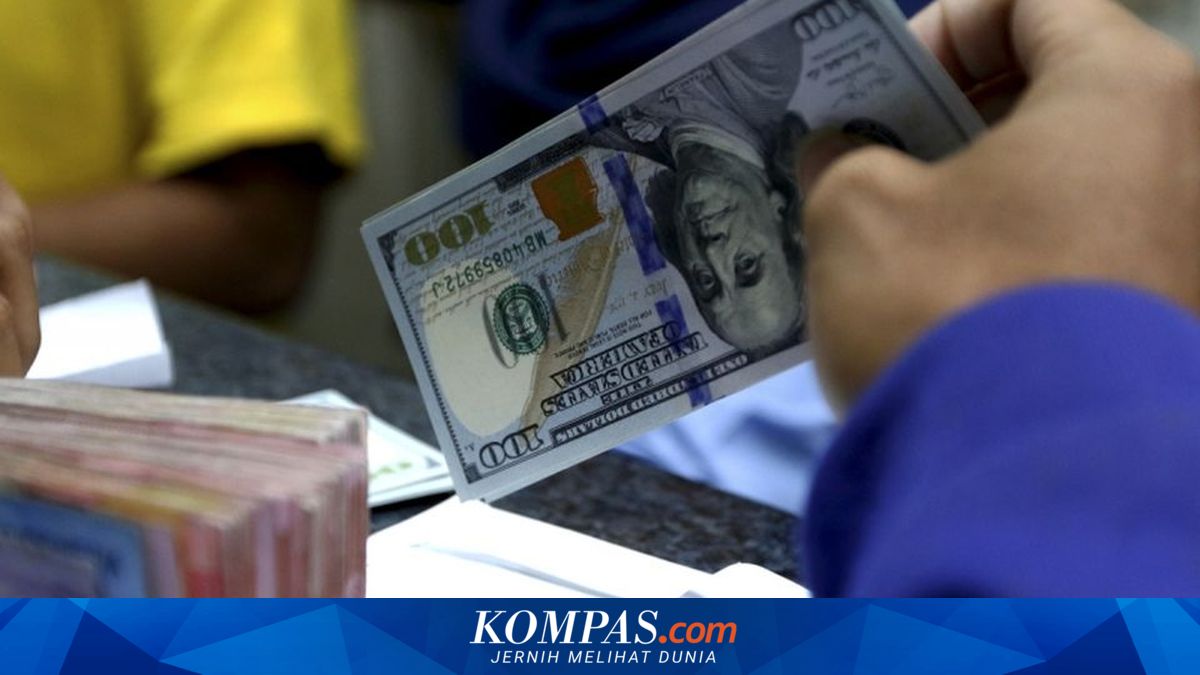
Jakarta – The rupiah weakened in the spot market at the close of trading on Wednesday, 11 March 2026. The Garuda currency depreciated 23 basis points, or 0.14 per cent, to Rp 16,886 per US dollar.
Currency and commodities analyst Ibrahim Assuaibi stated that the rupiah’s afternoon weakness was caused by global markets being shaken once again by disruptions in the energy sector, after Iran began blocking the Strait of Hormuz as a response to attacks by the United States and Israel against the country.
Tehran stated it would continue to attack vessels transiting the strategic waterway until attacks against the Islamic Republic are halted.
“Markets are shaken by disruptions in the energy market, because Iran has begun blocking the Strait of Hormuz in response to attacks by the US and Israel against the country. Tehran has said it will continue attacking ships in the strait until hostilities against the Islamic Republic are stopped,” Assuaibi told journalists on Wednesday afternoon.
The Strait of Hormuz is a major shipping lane for oil and gas deliveries to the Asia-Pacific region. Consequently, prolonged disruptions in this route have the potential to create significant impacts for countries that are highly dependent on energy imports.
Meanwhile, markets are also awaiting the release of US inflation data through the Consumer Price Index (CPI) for February, scheduled for release on Wednesday. The data is expected to provide clearer guidance regarding the direction of inflation and interest rate policy in the world’s largest economy.
Core inflation is estimated to remain at 2.4 per cent on an annual basis, whilst underlying inflation is predicted to hold steady at around 2.5 per cent.
The inflation data release also comes after the US employment report for February showed results significantly weaker than market expectations, raising concerns that the US economy is beginning to experience a slowdown.
Meanwhile, from the domestic front, several international institutions have also scrutinised Indonesia’s tax revenue performance, which is considered to be one of the factors affecting the government’s fiscal credibility.
Of the three institutions, only S&P has maintained a stable outlook on Indonesia. Meanwhile, Moody’s and Fitch have downgraded their outlooks from stable to negative.
The outlook downgrades reflect market concerns regarding the government’s fiscal credibility, particularly relating to tax revenue performance that is perceived to be inconsistent with the government’s spending requirements.
As an illustration, the 2025 State Budget deficit widened to 2.92 per cent of gross domestic product (GDP), higher than the target set in the 2025 State Budget Law of 2.53 per cent.