
Iran Ceasefire, Strategic Defeat for the US
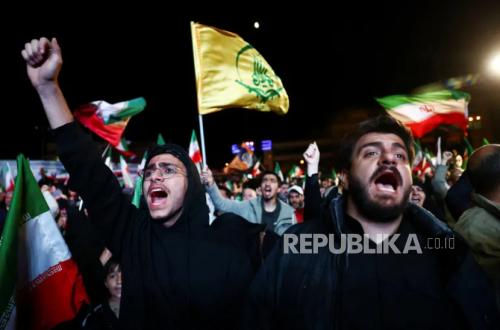
REPUBLIKA.CO.ID, WASHINGTON – The announcement of the US-Iran ceasefire by US President Donald Trump comes with several conditions that disadvantage America. This is viewed by several parties as demonstrating a strategic defeat for the US against Iran’s resistance regarding the illegal attacks since 28 February.
The exact form of the future agreement between the US and Iran remains unclear. Iranian state media states that the ceasefire agreement is built upon the 10-point plan they submitted to the US, which includes maximum demands previously rejected by the Trump administration.
Cited from the Guardian, Danny Citrinowicz, a non-resident fellow at the Atlantic Council, has delivered a scathing assessment of the five-week American war. He recalls that the attacks at the time were launched with “grand promises: regime change in Iran, halting its missile and nuclear programmes, and preventing Iran from threatening the Strait of Hormuz.”
“And where are we now?” he asked.
“This regime is still in power. Its missile capabilities, though damaged, remain intact. The country still holds around 440 kg of uranium enriched to 60 percent,” said Citrinowicz.
On another note, before the US-Israeli attacks on Iran, the Strait of Hormuz was an open route for all international shipping. Currently, the strait is under full Iranian control, which conditions joint control and tariffs with Oman.
Both countries flank the strait, which is usually traversed by 20 percent of the world’s oil and gas. Iran and Oman also share territorial rights over the Strait of Hormuz.
“To be honest: this is not a strategic victory,” said Citrinowicz.