
Iran Blockade of Strait of Hormuz; Trump Urges Allies to Secure Passage
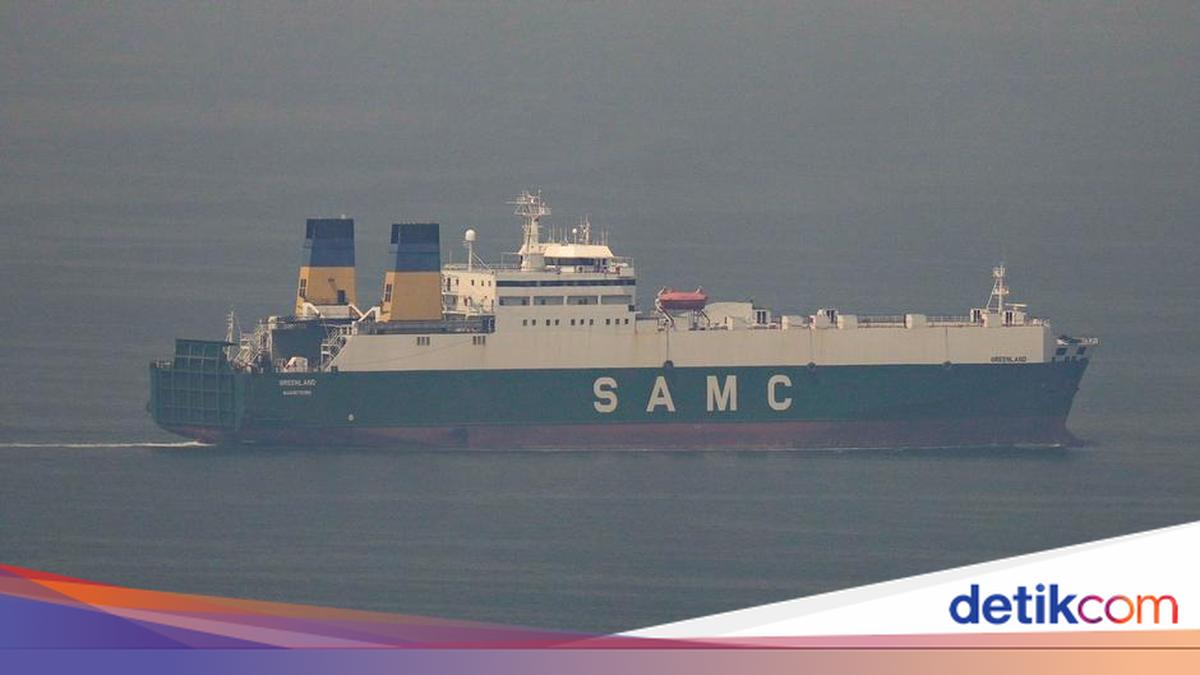
US President Donald Trump’s call to several nations to help secure shipping lanes in the Strait of Hormuz has gone unanswered. The strait has been blockaded by Iran since the conflict between the US and Israel began.
On Sunday, 15 March, the US president threatened consequences if such support is not realised.
In a brief interview with the Financial Times, Trump stated that NATO military alliance could face a “very bad” future if US allies do not help Washington reopen this strategic route.
Trump also threatened to postpone his meeting with Chinese President Xi Jinping, scheduled for later this month, as a means of pressuring Beijing to help secure traffic through the Hormuz Strait.
“Countries that benefit from the Strait should rightly help ensure nothing bad happens there,” Trump told the newspaper.
The Strait of Hormuz, located between the Persian Gulf and the Arabian Sea, is a vital route for global oil supplies. The blockade of this passage has disrupted oil supplies and driven fuel prices upward.
Trump: Iran not ready to negotiate with US
On Sunday, 15 March, Trump stated that discussions between Washington and Tehran are indeed taking place, despite Iran flatly denying it has contacted the US to negotiate an end to the conflict.
“Yes, we are talking to them,” Trump told journalists aboard the presidential aircraft Air Force One, without providing further detail about the nature of these discussions. “However, I believe they are not yet ready. Although they are getting closer.”
A day earlier, Trump told NBC News that the terms for reaching a deal with Iran were “not good enough yet,” which prompted Iran’s highest-ranking diplomat to deny that any talks had occurred or that Tehran was interested in pursuing them.
Fire near Dubai airport
A drone attack struck a fuel tanker near Dubai International Airport on Sunday, 15 March in the early morning local time and sparked a fire, according to Dubai Media Office.
The fire was eventually “brought under control” with no reports of injuries, the media office said via platform X.
“A drone incident near Dubai International Airport (DXB) affected one of the fuel tanks,” read the statement.
Arab states in the Persian Gulf region have faced a wave of missile and drone attacks from Iran since the US–Israel conflict with Iran began.
Iran says it has targeted US facilities and assets, but significant oil infrastructure in the Gulf region, ports, airports, hotels, and various other civilian facilities have also been struck.
UK announces emergency humanitarian aid for Lebanon
The UK government is providing humanitarian aid to Lebanon worth more than £5 million sterling (approximately IDR 112.58 billion). This is because Lebanon is being increasingly drawn into the Iran conflict.
In a statement on Sunday, 15 March evening, UK Foreign Secretary Yvette Cooper said she was “deeply concerned” about the escalating situation in Lebanon.
“I strongly condemn continued Hezbollah attacks on Israel. These attacks must stop immediately,” said Cooper, whilst accusing the Iran-backed group of “drawing the Lebanese people into a conflict they do not want and which does not align with their interests.”
Cooper also warned of the potential for wider regional escalation amid expanding Israeli strikes and evacuation orders.
“The forced displacement of hundreds of thousands of Lebanese people as a direct result of Israeli operations is entirely unacceptable and could lead to very serious humanitarian consequences,” she said.
Cooper welcomed the Lebanese government’s commitment, including its pledge to curb Hezbollah’s military activities. She also welcomed the proposed direct talks between Lebanon and Israel.
“The UK stands ready to support these efforts alongside our partners,” she said, describing the potential talks as “the best path to lasting peace and security for the Lebanese and Israeli peoples.”