
Iran Begins Laying Naval Mines in Strait of Hormuz
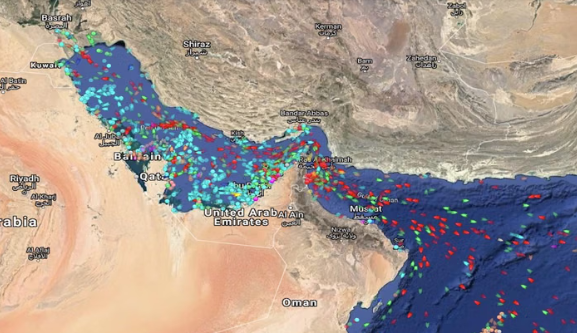
United States intelligence agencies have detected Iranian military movements suspected of beginning to lay naval mines in the Strait of Hormuz, a vital global trade route. The operation reportedly involves small naval vessels, each capable of carrying two to three mines.
According to CBS News reporting on 10 March, Iran’s naval mine arsenal is estimated at between 2,000 and 6,000 units. Although precise figures remain unverified, these mines are known to include domestically produced ordnance as well as supplies from Russia and China.
This escalation stems from a combined US-Israeli military strike on 28 February that targeted key strategic objectives in Iran. The military operation resulted in significant infrastructure damage and civilian casualties.
Tehran swiftly retaliated by launching waves of attacks against Israel and US military facilities throughout the Middle East region.
Initially, the US and Israel claimed the strikes aimed to neutralise the threat posed by Iran’s nuclear programme. However, both nations later clarified that the military operation was directed at triggering regime change in Iran.
The conflict reached a critical point following the death of Iran’s Supreme Leader, Ayatollah Ali Khamenei, during the first day of the US-Israeli military operation. The Islamic Republic of Iran is currently observing 40 days of national mourning.
Russian President Vladimir Putin strongly condemned Khamenei’s killing, describing it as a cynical violation of international law. Russia’s Foreign Ministry similarly called for an immediate cessation of hostilities and de-escalation to prevent broader repercussions.
The situation in the Strait of Hormuz has become a matter of global concern, given the waterway’s strategic importance to worldwide petroleum distribution. There are significant concerns that a potential blockade through naval mines could trigger a major energy crisis and widespread global market instability.
Crude oil prices (Brent) have remained elevated at approximately US$84 per barrel following the escalation in the Strait of Hormuz.