
Iran Attacks Oil Facilities, Brent Crude Prices Surge Sharply
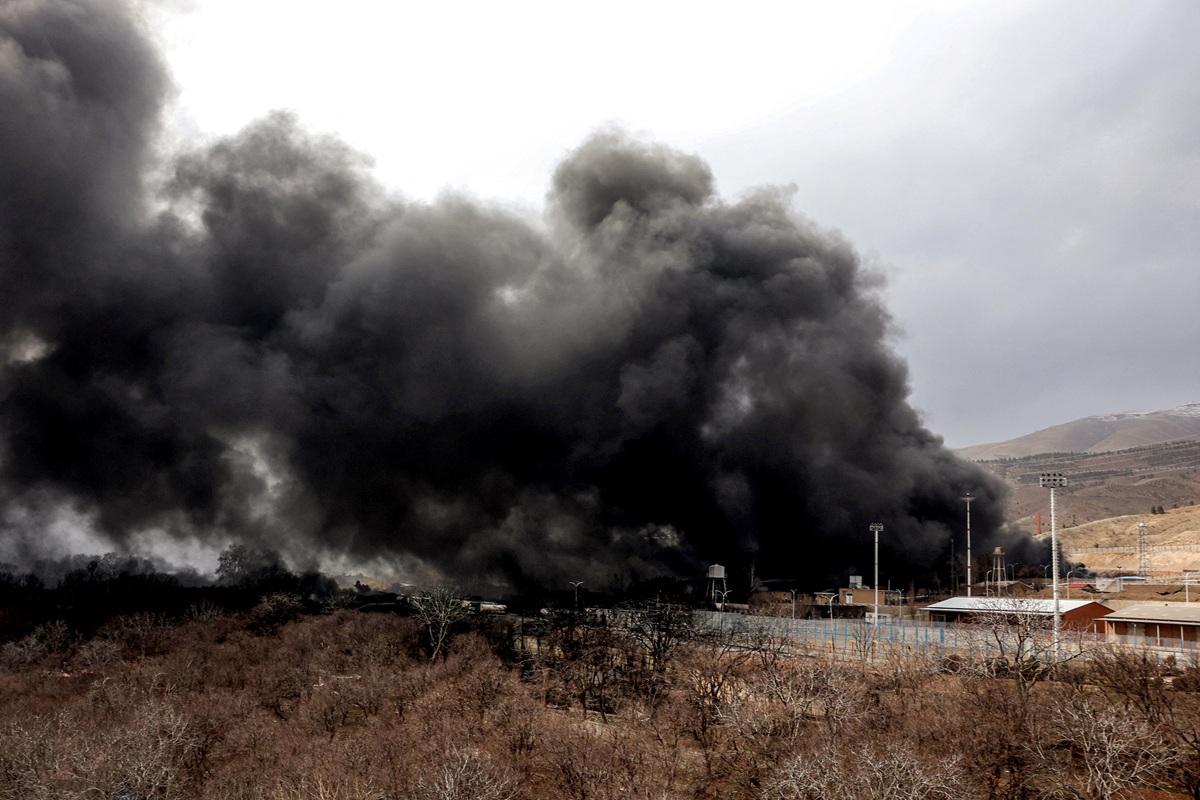
ESCALATION of conflict in the Middle East has entered an alarming phase following a series of airborne and naval attacks targeting energy infrastructure across the Persian Gulf on Thursday morning. The tensions have triggered a sharp surge in global crude oil prices amid concerns about disruption to global energy supply.
Massive Attacks Across the Gulf Region
Iran has reportedly escalated the intensity of attacks against oil facilities and tankers in the Persian Gulf. In Iraq, local authorities confirmed one person killed and 38 others rescued after two foreign tankers were attacked by Iranian drones in Iraqi territorial waters near the port of Umm Qasr, Basra. Iran claimed responsibility for the incident, stating that underwater drones had destroyed the vessels.
Meanwhile, Bahrain reported Iranian attacks targeting fuel storage tanks in the northern Muharraq Governorate. Bahrain’s Ministry of Interior issued a warning for residents in four nearby cities to remain indoors to avoid the effects of smoke and fire.
Neighbouring countries also reported efforts to intercept massive aerial attacks:
On another front, Israeli military launched “large-scale waves of attacks” against Hezbollah infrastructure in Beirut, Lebanon. BBC correspondent Samantha Granville described the situation as the “noisiest night” the city had experienced since the war began, with orange flashes illuminating the night sky.
On the other hand, Tehran claimed that its own national infrastructure was also under attack, including the country’s oldest bank. Iran’s Foreign Minister stated that the attacks occurred when the bank was “full of employees” and promised retaliation. Iran also confirmed it had launched a new wave of missiles towards Israeli territory, claiming assistance from Hezbollah attacks.
Economic Impact: Oil Prices Surge
Tensions in the Strait of Hormuz, a critical waterway for global energy shipments, have directly impacted commodity markets. Brent crude oil prices rose nearly 9% to exceed US$100 per barrel in Asian trading.
The increase persisted despite 32 members of the International Energy Agency (IEA) agreeing to release 400 million barrels from their strategic reserves to mitigate the impact of the conflict. On Wednesday, Iran issued a stark warning that oil prices could reach US$200 per barrel if attacks on ships in the Strait of Hormuz continue to escalate.
The IRGC stated that one retargeted objective was the Ha’ela satellite communications centre south of Tel Aviv.
Iran’s Ambassador to the United Nations accused US and Israeli airstrikes of deliberately targeting residential areas. Thousands of buildings were destroyed and acid rain threatens the region.
Iran claims to have destroyed fuel tanks and gas facilities, US helicopter landing zones, logistical facilities and support infrastructure.
Kpler data revealed that 90% of oil traffic through the Strait of Hormuz came to a complete halt following attacks on Iran. Data showed that tanker operators resorted to operating with navigation systems disabled to maintain supply routes.
The United Arab Emirates firmly denied Bloomberg reports regarding depletion of air defence missile reserves amid the US-Israel versus Iran conflict.
Although the IEA released 400 million barrels in emergency reserves, Brent crude prices surged to US$100 due to market scepticism amid Middle Eastern conflict.
The Jakarta Composite Index (IHSG) on the Indonesia Stock Exchange is projected to face pressure on Thursday’s trading as volatility in global crude oil prices increases.
Air New Zealand was forced to cancel 1,100 flight schedules following surging jet fuel prices due to Middle Eastern conflict and Strait of Hormuz closure.
The United States released 172 million barrels of oil from the Strategic Petroleum Reserve (SPR), part of a collective action by the International Energy Agency (IEA).
Iran’s threats to attack tankers in the Strait of Hormuz have triggered surging oil prices and global energy market concerns amid conflict with the United States.