
Iran Attacked: A Long History of Resistance Against the United States and Israel
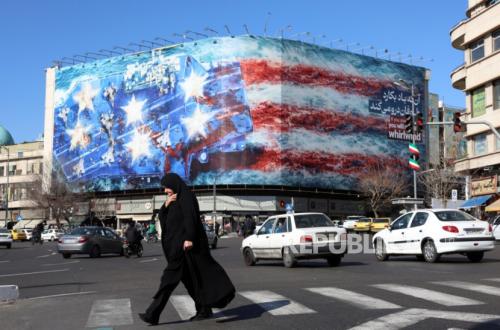
The United States has finally openly joined Israel in launching an attack on Iranian territory on Saturday, 28 February 2026. This action adds to a lengthy list of confrontations between the two nations that have been characterised from the outset by suspicion, rivalry, and historical grievances.
Tracing back further, the Washington–Tehran relationship is not merely about nuclear weapons or regional security, but rather is rooted in competition for influence and resources, particularly oil.
The first turning point occurred in 1953. Iran’s democratically elected Prime Minister, Mohammad Mossadegh, attempted to nationalise the oil industry, which was then controlled by a British company. This policy triggered a secret CIA operation in conjunction with British intelligence to overthrow him. The coup reinstated Mohammad Reza Pahlavi as Shah. From that point onwards, Iran became a principal US ally in the region.
Ironically, in 1957 Washington signed a civilian nuclear cooperation agreement with the Pahlevi regime. This foundation later developed into Iran’s controversial nuclear programme. However, the Shah’s authoritarian regime provoked massive waves of public protest.
The 1979 revolution established an Islamic Republic under Ayatollah Ruhollah Khomeini. The hostage crisis at the US Embassy in Tehran, lasting 444 days, completely severed diplomatic relations between the two countries—and they have never truly been restored.
Tensions deepened when the United States supported Iraq during the Iran-Iraq War (1980–1988). In 1984, Washington designated Iran as a “state sponsor of terrorism”. Four years later, a US warship shot down Iran Air Flight 655, killing 290 people. For Tehran, this was not an accident, but a symbol of permanent enmity.
Following the 11 September 2001 attacks, there was a brief period of quiet cooperation against the Taliban. However, President George W. Bush included Iran in the “Axis of Evil”. The nuclear issue resurfaced in 2003 when the IAEA discovered traces of enriched uranium. Prolonged negotiations culminated in a historic 2015 agreement (JCPOA) during the Barack Obama era. Iran restricted its nuclear programme, and in return, sanctions were lifted.
The agreement collapsed when Donald Trump withdrew the United States in 2018 and reimposed severe sanctions under a “maximum pressure” policy. Iran retaliated by increasing uranium enrichment. Tensions peaked in January 2020 when a US drone killed General Qasem Soleimani in Baghdad. Iran responded with a missile attack on US bases in Iraq.
Under Joe Biden, efforts to revive the JCPOA were undertaken through negotiations in Vienna. However, talks stalled, particularly after Iran increased enrichment to 60 per cent and domestic political dynamics shifted in both countries. Amid this impasse, Iran has also strengthened military ties with Russia in the Ukraine war.